
Contents
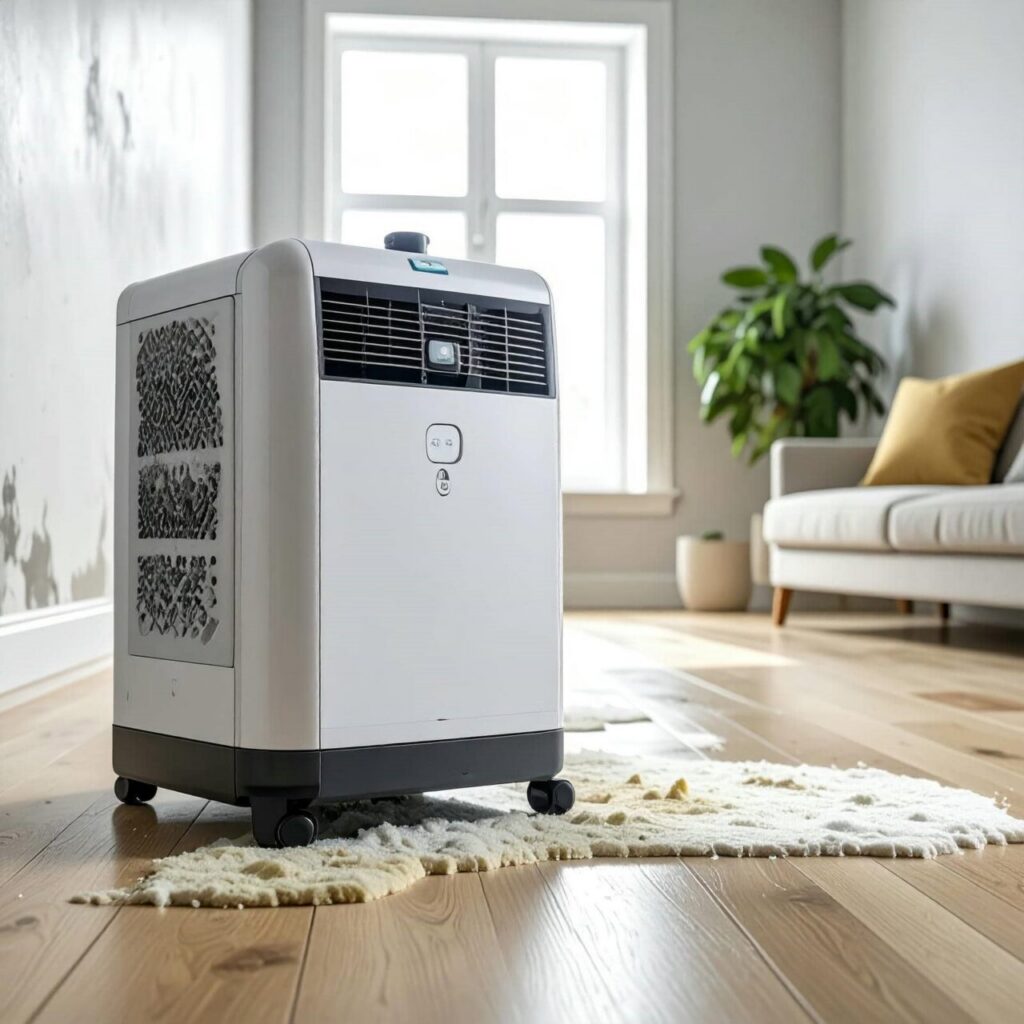
Smoke damage can linger long after the flames are extinguished, leaving behind residues that are both stubborn and harmful. You might not realize that moisture plays a critical role in enhancing the adhesion of these residues, making cleanup even more challenging. By implementing dehumidification, you can greatly improve the restoration process. Discover how this method aids in removing smoke remnants and protects your space from further damage.
Key Takeaways
- Dehumidification reduces humidity, preventing mold growth and preserving the structural integrity of the property after smoke damage.
- It aids in breaking down smoke residue, making cleanup more effective and efficient.
- Lower humidity levels enhance odor removal, particularly persistent smoke smells that linger after a fire.
- Effective moisture control improves air quality by reducing airborne pollutants associated with smoke damage.
- Utilizing dehumidification accelerates drying times, facilitating a quicker restoration process and minimizing further damage.
Understanding the Impact of Smoke Damage
When a fire occurs, the aftermath often includes significant smoke damage, which can affect both your property and health. Understanding smoke composition is vital; it consists of a complex mixture of gases, vapors, and fine particulate matter.
These components can create various residue types, including soot, ash, and oily films, each presenting unique challenges for cleanup. Soot, often the most visible residue, can stain surfaces and is typically composed of carbon, making it particularly difficult to remove. Oily films can adhere to surfaces, requiring specialized cleaning agents for effective removal.
The presence of these residues degrades the aesthetic quality of your home and may pose health risks, as inhaling these particles can lead to respiratory issues. Recognizing the impact of smoke damage on your environment is essential for effective restoration and ensuring a safe living space for you and your family.
The Role of Moisture in Smoke Residue
Moisture plays a critical role in smoke residue formation and persistence.
High humidity levels can enhance odor retention, making it more challenging to eliminate smoke smells from affected areas.
Additionally, excess moisture can create health risks by fostering mold growth and other contaminants, complicating the cleanup process.
Impact on Smoke Residue
Although you mightn’t realize it, moisture plays an essential role in the behavior and persistence of smoke residue after a fire. High humidity levels can alter the residue composition, making smoke particles more adhesive and difficult to clean.
When moisture combines with soot and other byproducts, it can create a sticky film that penetrates surfaces, complicating cleanup efforts. This moisture-driven process can lead to more extensive damage, as the residue settles deeper into materials.
Moisture and Odor Retention
High humidity exacerbates the adhesion of smoke residue and greatly contributes to odor retention in affected areas.
When moisture retention occurs, it creates an environment where smoke particles can cling to surfaces, making cleanup difficult. This lingering moisture acts as a reservoir for unpleasant odors, trapping them and preventing their complete removal.
You might notice that even after visible cleanup, the smell persists due to this moisture.
Dehumidification plays an essential role in mitigating these effects, as it reduces humidity levels, facilitating the breakdown of smoke residue and minimizing odor retention.
Health Risks From Humidity
Humidity can pose serious health risks, especially when smoke residue is present in an environment. High moisture levels can encourage the growth of mold and bacteria, leading to humidity-related illnesses.
You may experience respiratory complications, such as asthma, allergies, or chronic bronchitis, due to lingering smoke particles and increased humidity. These conditions worsen when moisture interacts with smoke residue, creating a toxic environment.
It’s essential to control humidity levels after smoke damage to ensure a safe living space. Dehumidification reduces moisture and helps eliminate harmful pollutants, promoting better air quality.
Benefits of Dehumidification in Cleanup
Dehumidification plays an essential role in smoke damage cleanup by preventing mold growth, which can thrive in damp environments.
It also aids in removing lingering odors that often accompany smoke damage, ensuring a fresher indoor atmosphere.
Additionally, maintaining ideal humidity levels helps preserve the structural integrity of your property, preventing further deterioration.
Mold Prevention Strategies
When tackling smoke damage cleanup, effectively managing moisture levels is essential to preventing mold growth.
Utilizing dehumidification techniques is one of the most effective strategies for humidity control. By lowering indoor humidity, you create an environment that’s less conducive to mold spores, which thrive in damp conditions.
Make sure you monitor humidity levels regularly, aiming for a range of 30-60%. Implementing proper ventilation systems and using air movers can further enhance moisture reduction.
Additionally, inspect and address any leaks or water accumulation promptly. By taking these proactive measures, you safeguard your living space from mold and contribute to the overall health and safety of your environment.
Odor Removal Techniques
Effective odor removal is essential in smoke damage cleanup, especially since persistent odors can linger long after the initial damage has occurred.
You can utilize various techniques to ensure a thorough and effective cleanup:
- Use odor neutralizers that chemically bind with odor molecules.
- Incorporate smoke absorbers like activated charcoal to trap and eliminate smells.
- Implement air purifiers equipped with HEPA filters to remove airborne particles.
- Employ ozone generators carefully, as they can oxidize odor-causing compounds.
- Conduct thorough cleaning of surfaces and textiles to eliminate residue.
Structural Integrity Preservation
While addressing smoke damage, maintaining the structural integrity of your property is crucial for long-term safety and functionality.
Dehumidification plays a key role in this process by effectively controlling moisture levels, which can prevent further structural damage. Excessive moisture can lead to issues like mold growth and wood rot, both of which threaten the stability of your building.
By utilizing dehumidifiers, you actively reduce humidity, ensuring that materials like drywall, wood, and insulation remain intact and functional. This proactive approach preserves your property’s value and fosters a sense of security for you and your loved ones.
Prioritizing moisture control during cleanup is essential for safeguarding your home’s structural integrity against the persistent effects of smoke damage.
Techniques for Effective Dehumidification
To achieve ideal dehumidification during smoke damage cleanup, it’s essential to implement a combination of techniques tailored to the specific environment.
Effective moisture removal aids in restoring air quality and prevents further damage to your property.
Here are some dehumidification techniques you should consider:
- Assess humidity levels using hygrometers.
- Utilize air movers to increase air circulation.
- Implement portable dehumidifiers for targeted moisture extraction.
- Seal off affected areas to contain moisture.
- Monitor and adjust settings based on ongoing readings.
Equipment Used for Dehumidification
Proper equipment is essential for successful dehumidification in smoke damage cleanup. The right dehumidifier types can make a significant difference in moisture control.
For instance, refrigerant dehumidifiers are effective in warmer conditions, extracting moisture by cooling the air. On the other hand, desiccant dehumidifiers excel in cooler environments, using hygroscopic materials to absorb moisture from the air without cooling it.
In addition to these, you might consider low-grain refrigerant (LGR) dehumidifiers, which are specifically designed for high-efficiency moisture removal. They work well in spaces affected by smoke damage, reducing humidity levels quickly.
Always assess your specific cleanup needs and choose equipment that matches those requirements.
Integrating Dehumidification With Other Cleanup Methods
Integrating dehumidification with other cleanup methods enhances the overall effectiveness of smoke damage restoration. By coordinating cleanup efforts, you can tackle moisture and contaminants more efficiently.
Here are some key benefits:
- Improved air quality: Dehumidification techniques reduce airborne pollutants.
- Faster drying times: Working together with air movers speeds up the drying process.
- Mold prevention: Low humidity levels inhibit mold growth during cleanup.
- Enhanced odor removal: Combined methods can effectively neutralize smoke odors.
- Thorough restoration: A detailed approach ensures no damage is overlooked.
When you implement these strategies, proper cleanup coordination is essential. Dehumidification techniques should complement other methods like cleaning, sealing, and air filtration.
This integrated approach maximizes effectiveness and creates a healthier environment, fostering a sense of belonging for those affected by smoke damage. By prioritizing these combined efforts, you can secure a more successful restoration outcome.
Preventing Future Smoke Damage With Dehumidification
While smoke damage can have lasting effects on a property, using dehumidification as a preventive measure can greatly reduce the risk of future incidents.
To effectively prevent smoke-related issues, you need to focus on proper dehumidifier selection. Choose models that fit your space and the specific moisture levels you’re dealing with. High-capacity units are often necessary in areas prone to humidity.
In addition to selecting the right dehumidifier, consistent moisture monitoring is vital. Regularly check humidity levels to ensure they remain within a safe range, typically 30%-60%. This proactive approach helps prevent mold growth and retains indoor air quality.
Ultimately, by investing in quality dehumidifiers and committing to moisture monitoring, you can create a protective barrier against future smoke damage, fostering a healthier environment for yourself and your loved ones.
Professional vs. DIY Dehumidification Approaches
When considering dehumidification for smoke damage cleanup, you face a choice between professional services and DIY approaches. Each option has its merits, but understanding the nuances can help you make the best decision for your home.
- Professionals offer expertise and experience.
- DIY can save you money on labor costs.
- Equipment choices differ greatly; professionals use industrial-grade machines.
- Homeowner tips for DIY include monitoring humidity levels.
- A swift response is essential to minimize damage.
If you opt for DIY, make sure you have the right equipment to effectively reduce moisture.
However, if the damage is extensive, you might find that professionals expedite the process while ensuring thorough cleanup, reducing the risk of lingering odors and mold.
Ultimately, weigh the severity of the damage against your skills and resources to decide the best course of action for your home.
Frequently Asked Questions
How Long Does Dehumidification Usually Take After Smoke Damage?
Dehumidification duration after smoke damage typically ranges from 24 to 72 hours. Factors like humidity levels and the extent of damage influence this timeframe, so monitoring conditions closely is essential for effective results.
Can Dehumidifiers Help With Odors From Smoke Damage?
You’ll be thrilled to know that dehumidifiers excel at odor removal, zapping smoke particles like a superhero. They absorb moisture, reducing musty smells and helping restore fresh air, so you can breathe easy again.
Is Dehumidification Safe for All Types of Materials?
Dehumidification isn’t universally safe for all materials. You must consider material compatibility with different dehumidifier types. Some materials may warp or degrade, so make certain you choose the right equipment for effective, safe moisture removal.
What Are the Signs I Need Dehumidification After Smoke Damage?
If you notice lingering smoke residue or excessive moisture levels in your space, it’s essential to act. Homes experience mold growth within 48 hours after smoke damage; don’t let yours be one of them.
Will Dehumidification Prevent Mold Growth After Smoke Damage?
Yes, dehumidification helps prevent mold growth after smoke damage. Reducing moisture levels improves air quality and creates an environment less favorable for mold development, ensuring a healthier living space for you and your family.
Recap
Using dehumidification for smoke damage cleanup is as essential as clearing fog from a windshield to regain visibility. It reduces moisture and prevents mold growth, and helps eliminate stubborn odors and soot. By integrating effective dehumidification techniques with other cleanup methods, you can ensure a thorough restoration. Whether you choose a professional approach or tackle it yourself, prioritizing dehumidification is imperative for a healthier, safer environment post-smoke damage.
Recent Posts
Top 3 Tips for Structural Drying After Water Damage
When faced with water damage, effective structural drying is vital to prevent further issues like
Top Techniques for Structural Drying After Water Damage
When dealing with water damage, it’s essential to assess the extent of the issue before
10 Best Methods for Structural Drying After Water Damage
When faced with water damage, you need a systematic approach to structural drying. Start by