
Contents
The threat of smoke damage can linger long after the incident, affecting air quality and safety. Identifying the signs of smoke damage is essential, but understanding the full extent of the risk requires more than a casual inspection. What should you look for to ensure your home is truly safe?
Key Takeaways
- Smoke damage can lead to persistent odors and discoloration, indicating hidden damage that may compromise safety.
- Residual smoke contains harmful chemicals, posing health risks, especially to vulnerable individuals like children and the elderly.
- Professional cleanup is essential to ensure thorough removal of smoke residue and contaminants, protecting both health and property.
- Regular inspections and maintenance can identify signs of smoke damage early, promoting a safer living environment.
- Implementing preventive measures, such as smoke detectors and fire safety education, is crucial for long-term safety post-damage.
Understanding Smoke Damage and Its Effects on Your Home
When your home suffers from smoke damage, it’s vital to understand the immediate and long-term effects it can have on your property. Different smoke types—such as dry smoke, wet smoke, and fuel oil smoke—each leave unique residues and odors.
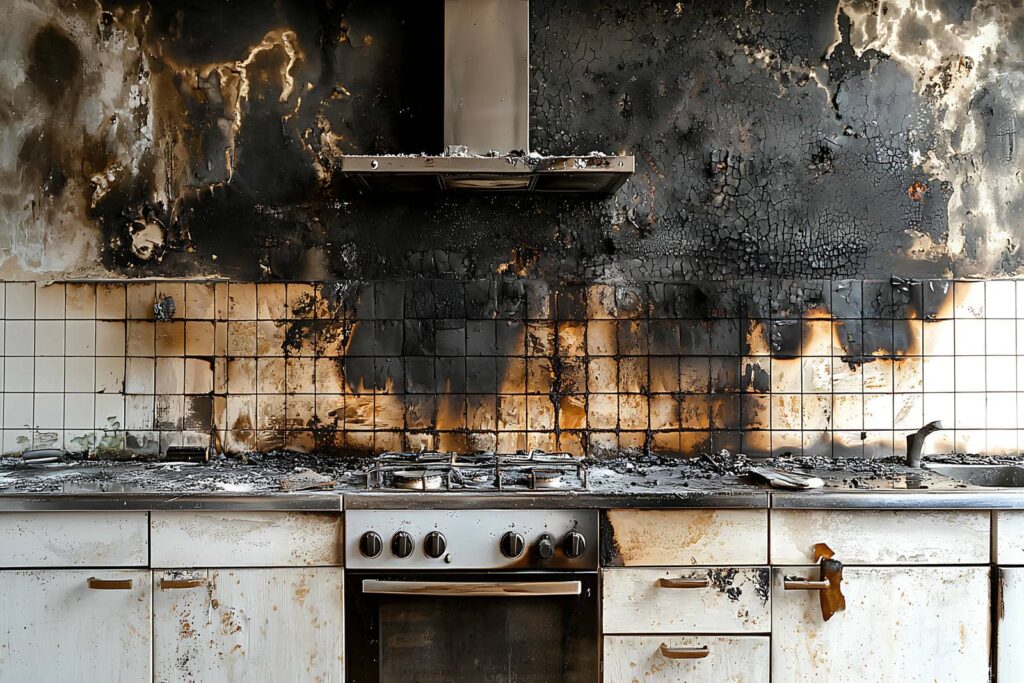
The fire aftermath may involve visible soot and harmful particles lingering in the air and on surfaces. Immediate effects can range from discoloration on walls to damage to electronics and furnishings.
Long-term exposure can lead to chronic health issues and persistent odors if not addressed properly. It’s important to act quickly by evaluating the extent of the damage and engaging professionals for cleanup.
They can identify the specific smoke types at play and ensure your home returns to a safe, comfortable state. Understanding these effects will help you maintain a healthy living environment for you and your loved ones.
Signs of Smoke Damage That You Should Look For
How can you be certain your home hasn’t been compromised by smoke damage? Start by checking for persistent smoke odor, which often lingers long after the fire is extinguished. This odor can seep into walls, fabrics, and even the air, making it a red flag for underlying damage.
Next, look for visual discoloration on surfaces like walls, ceilings, and furniture. Stains may appear yellow or brown, indicating soot residue that’s not just cosmetic but potentially harmful.
Inspecting your home regularly can help you catch these signs early. Pay attention to areas near vents and windows, where smoke particles might accumulate.
If you notice any of these indicators, it’s vital to address them promptly to protect your living environment. Identifying smoke damage early ensures your home remains a safe and welcoming space for you and your loved ones.
The Importance of Professional Smoke Damage Cleanup
When smoke damage occurs, the health risks can be significant, including respiratory issues and toxic exposure.
Professional cleanup ensures a thorough approach that addresses visible residue and hidden contaminants.
This meticulous process restores your home and protects your property from long-term damage.
Health Risks Involved
Although smoke damage may seem superficial, it can pose important health risks if not addressed properly.
Smoke inhalation can lead to immediate respiratory issues, such as coughing, wheezing, or shortness of breath. Prolonged exposure to smoke residue can exacerbate asthma or other chronic lung conditions, making professional cleanup essential.
Hidden soot and toxic residues can linger on surfaces, releasing harmful particles into the air you breathe. This affects your health and that of your family and pets as well.
If you’re looking to safeguard your home and loved ones, consider engaging professionals who specialize in smoke damage restoration. Their expertise ensures thorough removal of contaminants, greatly reducing the risk of health complications associated with smoke damage.
Comprehensive Cleanup Process
Smoke damage cleanup goes beyond mere aesthetics; it requires a systematic approach to confirm your home is truly safe. Professional cleanup ensures that effective cleanup techniques and restoration methods are employed, mitigating health risks and structural damage.
| Step | Cleanup Techniques | Restoration Methods |
|---|---|---|
| Assessment | Inspect for damage | Identify affected areas |
| Cleaning | HEPA vacuuming & scrubbing | Seal and repaint walls |
| Odor Removal | Thermal fogging | Replace affected materials |
Long-term Property Protection
Since your home’s integrity can be compromised after a smoke incident, prioritizing professional smoke damage cleanup is crucial for long-term property protection.
Engaging experts ensures that every trace of soot and odor is meticulously removed, preventing further deterioration. This thorough cleanup is essential for maintaining property value and safety, as lingering smoke residue can lead to mold growth and health issues.
Additionally, many insurance policies cover professional cleanup services, so you can utilize your insurance coverage effectively. Investing in expert property maintenance restores your home and provides peace of mind, knowing you’ve safeguarded your environment for your family.
Don’t underestimate the importance of immediate and professional action after smoke damage to protect your cherished space.
Assessing Structural Integrity After Smoke Damage
After smoke damage, it’s essential to evaluate structural components like beams and walls for signs of weakening.
Don’t overlook hidden damage in concealed areas, as this can pose serious risks.
Additionally, inspect ventilation systems to ensure they’re free of soot and functioning properly to maintain air quality.
Evaluate Structural Components
When evaluating the structural integrity of your home following smoke damage, it’s essential to examine key components such as beams, walls, and the foundation.
Begin with a thorough structural assessment to identify any signs of weakness or compromise. Check for warping, discoloration, or cracks in the beams, as these can indicate significant issues.
Inspect walls for soot stains or bubbling paint, which may suggest deeper problems. Don’t overlook the foundation; any signs of settling or shifting should prompt immediate attention.
Document your findings during the damage evaluation process, as this information will be vital for repair efforts and ensuring your home’s safety.
Prioritizing these assessments will help restore both the structure and your peace of mind.
Check for Hidden Damage
Hidden damage can often lurk beneath the surface after smoke exposure, posing risks that aren’t immediately visible.
It’s essential to conduct a thorough inspection of your home to identify any hidden hazards that may compromise safety. Start by checking walls, ceilings, and floors for signs of smoke residues, which can indicate deeper structural damage.
Pay close attention to insulation and framing materials, as smoke can infiltrate these areas, leading to potential deterioration. Look for discoloration, peeling paint, or unusual odors, as they may signal underlying issues.
By addressing these hidden hazards promptly, you enhance your home’s safety and contribute to a healthier living environment for you and your loved ones.
Don’t overlook the importance of this critical assessment.
Inspect Ventilation Systems
While smoke damage often focuses attention on visible surfaces, inspecting your ventilation systems is essential for ensuring your home’s safety and air quality.
Smoke particles can infiltrate ducts, leading to lingering odors and potential health risks. Begin your ventilation inspection by checking air filters; replace them if they’re contaminated.
Next, examine the ductwork for soot buildup or damage, as this can hinder airflow and circulate harmful residues. Consider hiring a professional for a thorough cleaning and assessment of your HVAC system.
Health Risks Associated With Residual Smoke and Soot
Residual smoke and soot can pose significant health risks, even if they’re not immediately visible. These particles contain harmful chemicals that can lead to toxic exposure, affecting your overall well-being.
When inhaled, they can aggravate respiratory issues such as asthma, bronchitis, and other chronic lung conditions. You mightn’t notice the effects right away, but long-term exposure can result in serious health complications.
Children, the elderly, and individuals with pre-existing health conditions are particularly vulnerable.
It’s essential to recognize that smoke residue can settle in various areas of your home, including carpets, walls, and ventilation systems, perpetuating the risk of respiratory problems.
Proper cleanup and remediation are vital to mitigate these dangers. By addressing the remnants of smoke damage, you protect your physical health and foster a safer environment for everyone you care about.
Preventative Measures to Avoid Future Smoke Damage
To prevent future smoke damage, it’s crucial to implement proactive measures that protect your home and air quality. Engaging in regular preventive maintenance can greatly reduce the risks associated with fire hazards. Here are some actionable steps you can take:
| Preventive Measure | Description |
|---|---|
| Install Smoke Detectors | Confirm they’re placed in key areas; test monthly. |
| Maintain Fire Extinguishers | Check expiration dates and confirm accessibility. |
| Conduct Regular Inspections | Assess electrical systems and appliances for wear. |
Summary
If you notice lingering odors or soot stains, don’t wait—your home’s safety might be at stake. Coincidentally, addressing smoke damage quickly can prevent further deterioration and health risks. Engaging professional cleanup services ensures a thorough inspection and safeguards your living environment. Remember, a safe home is a healthy home, so take action now to restore your space and improve indoor air quality for you and your loved ones.
Recent Posts
Essential Guide to Flood Damage Restoration Practices
Flood Damage Restoration begins with a fast, organized response to minimize structural damage and protect
Top 10 Flood Damage Restoration Best Practices
Damage Restoration starts with a fast, organized response to minimize property damage and prevent long-term
7 Essential Tips for Flood Damage Restoration
Flood Damage Restoration should begin as soon as it is safe to enter the property,