
Contents
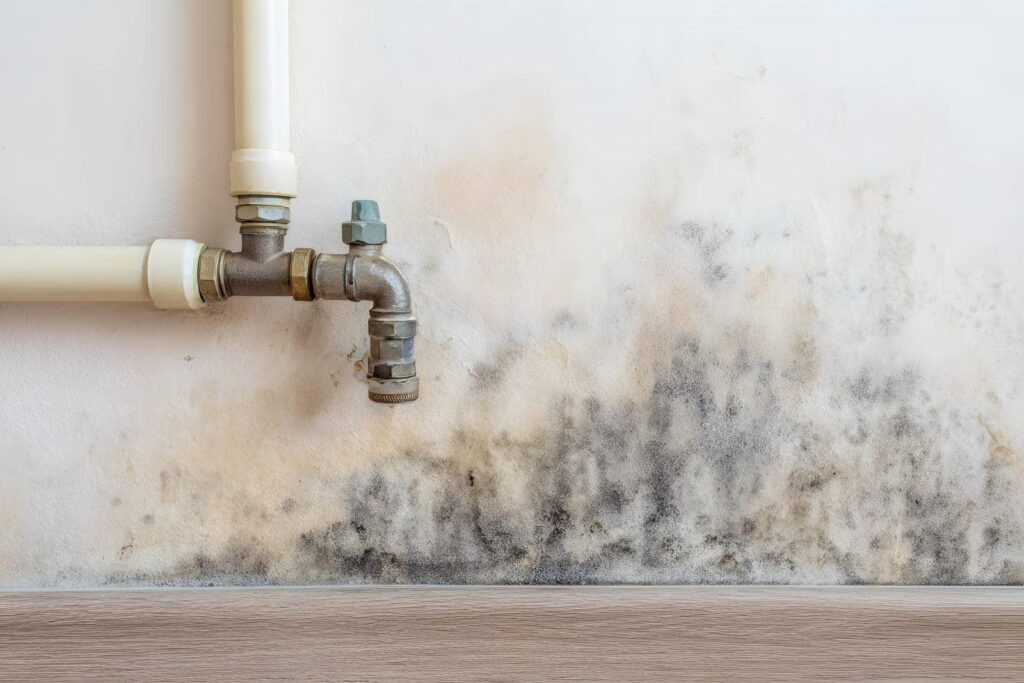
When faced with water damage, effective structural drying is vital to prevent further issues like mold growth. You need to assess the extent of the damage first, ensuring you understand what you’re dealing with. Then, utilizing professional drying equipment can greatly speed up the process. And don’t forget to monitor moisture levels closely. These steps are essential, but there’s more to reflect on to achieve ideal results in your drying efforts.
Key Takeaways
- Use dehumidifiers to effectively reduce humidity levels and accelerate the drying process in affected areas.
- Employ air movers to enhance air circulation, promoting faster evaporation of moisture from surfaces.
- Regularly monitor moisture levels with meters to ensure all affected materials are adequately dried.
- Utilize infrared cameras to identify hidden moisture pockets behind walls and under floors.
- Document all drying efforts and moisture readings to support insurance claims and assess progress.
Assess the Extent of Water Damage
How can you accurately evaluate the extent of water damage in your property? Start by identifying the damage types you’ve encountered, such as clean water, gray water, and black water. Each type requires different inspection techniques to assess the impact effectively.
Use visual inspections to spot discoloration, mold, or warped surfaces, and don’t forget to check hidden areas, including behind walls and under floors, where damage may lurk unseen.
Employ moisture meters to measure humidity levels in affected materials, which helps determine the severity of the damage. Document your findings with detailed notes and photographs, creating a clear record of the situation.
Engaging with your insurance provider early can also be beneficial, ensuring you understand coverage options. By methodically evaluating water damage, you’ll be better positioned to address the issue and take the next steps toward restoration.
Utilize Professional Drying Equipment
Once you’ve assessed the extent of water damage, utilizing professional drying equipment becomes crucial for effective restoration.
Relying on specialized tools ensures you tackle moisture efficiently, preventing further complications.
Here are three key equipment types you should consider:
Dehumidifiers: These devices extract moisture from the air, accelerating the drying process and reducing humidity levels in your space.
Air Movers: Utilizing high-velocity fans, air movers circulate air, enhancing evaporation from surfaces and helping to dry out carpets, walls, and furniture effectively.
Infrared Cameras: These tools help identify hidden moisture pockets, allowing you to target areas that need extra attention with specific drying techniques.
Monitor Moisture Levels Throughout the Process
As you proceed with the drying process, consistently monitoring moisture levels is essential to ensure effective restoration and prevent mold growth.
Utilize moisture meters to accurately measure the moisture content in walls, floors, and other materials. These devices provide significant data, helping you identify areas that require additional attention.
Keep an eye on humidity control within your space; maintaining ideal humidity levels is critical for a successful drying process. Aim for a relative humidity level below 60% to inhibit mold development.
Check moisture readings regularly, and adjust your drying equipment accordingly. If you notice persistent moisture in specific areas, consider increasing airflow or adding dehumidifiers.
Frequently Asked Questions
How Long Does the Structural Drying Process Typically Take?
The structural drying duration typically ranges from 3 to 7 days, depending on various drying factors like humidity, temperature, and materials involved. You should closely monitor progress to ensure effective, timely drying.
Can I Stay in My Home During the Drying Process?
You can stay in your home during the drying process, but make sure you stay safe. Drying equipment may create noise and airflow, so consider setting boundaries in affected areas for comfort and safety.
What Are the Health Risks of Water Damage?
Water damage is like a silent thief, stealing your health. It fosters mold growth, leading to respiratory issues. If you’re not careful, it can turn your home into a breeding ground for unseen dangers.
Will My Insurance Cover Structural Drying Costs?
Yes, your insurance may cover structural drying costs, but it depends on your insurance policies and coverage limits. Review your policy details or consult your agent to confirm what’s included for water damage claims.
How Can I Prevent Future Water Damage?
To prevent future issues, invest in effective waterproofing methods and implement proper drainage solutions. These steps protect your home and foster a sense of security for your family.
Final Thoughts
Effectively addressing water damage hinges on your ability to assess the situation, use the right equipment, and monitor moisture levels. By following these top three tips, you can greatly reduce the risk of mold and further structural issues. Are you ready to take control of the drying process and protect your property? Remember, timely and professional action can make all the difference in restoring your space to its former condition.
Recent Posts
Essential Guide to Flood Damage Restoration Practices
Flood Damage Restoration begins with a fast, organized response to minimize structural damage and protect
Top 10 Flood Damage Restoration Best Practices
Damage Restoration starts with a fast, organized response to minimize property damage and prevent long-term
7 Essential Tips for Flood Damage Restoration
Flood Damage Restoration should begin as soon as it is safe to enter the property,