
Contents
When dealing with a sewage backup, it’s essential to prioritize safety and proper procedures. Start by evaluating the situation while ensuring you have the right protective gear. You’ll need to shut off utilities and ventilate the space effectively. Once you’ve taken these initial steps, you can begin the cleanup process. However, understanding the right techniques and materials to use can make all the difference in preventing further issues.
Key Takeaways
- Conduct a thorough risk assessment, wearing appropriate PPE, and establish a safe perimeter around the affected area.
- Turn off electricity in the impacted area and improve ventilation by opening windows and using fans.
- Remove contaminated materials like carpets and drywall, disposing of them according to local hazardous waste regulations.
- Clean surfaces with warm soapy water, then disinfect with a bleach solution or commercial disinfectant, focusing on high-touch areas.
- Seal contaminated items in heavy-duty bags for safe disposal and schedule regular plumbing maintenance to prevent future issues.
Assess the Situation and Ensure Safety
Before beginning any cleanup efforts, it’s crucial to assess the situation and ensure your safety. Start by conducting a thorough risk assessment to identify potential hazards. Check for standing water, which may contain harmful pathogens or contaminants.
Make sure you wear appropriate personal protective equipment (PPE), including gloves, masks, and overalls, to shield yourself from exposure.
Next, evaluate the structural integrity of the affected area. Be cautious of electrical hazards, especially if water has reached outlets or appliances. If you detect any danger, don’t hesitate to turn off the electricity and contact professionals.
Establish a safe perimeter to keep others away from the contaminated area. Communicate your plan with anyone in the vicinity to foster a sense of belonging and collective responsibility.
Gather Necessary Cleaning Supplies
Once you’ve secured safety and assessed the situation, gathering the right cleaning supplies is the next step in effectively managing a sewage backup. Start by collecting essential cleaning supplies: heavy-duty trash bags, mops, sponges, and buckets.
You’ll also need disinfectants and enzymatic cleaners specifically designed for sewage cleanup. These products will help eliminate harmful bacteria and odors.
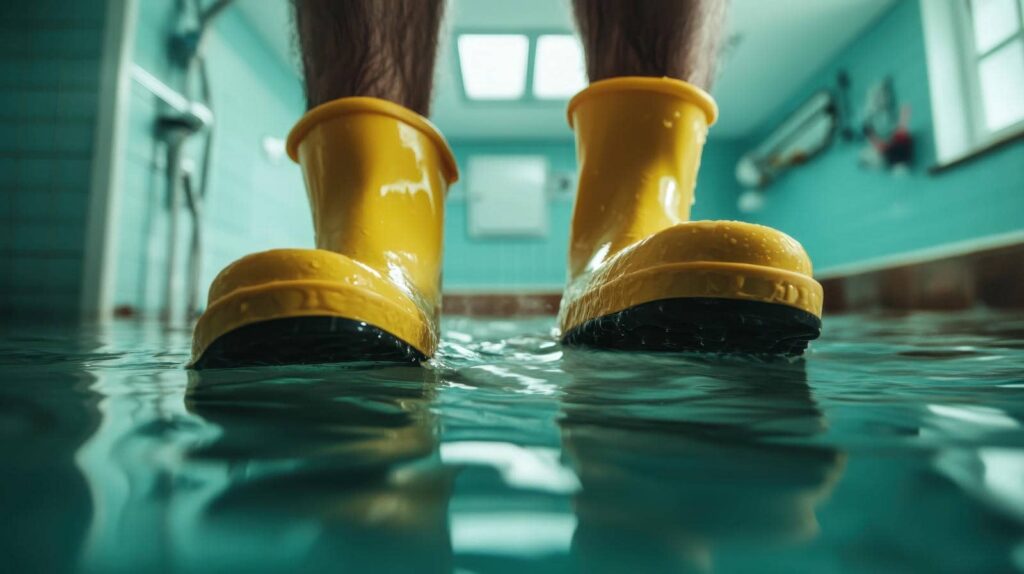
Don’t forget your safety gear. Wear gloves, goggles, and a mask to protect yourself from pathogens and chemical exposure. Rubber boots are also advisable to keep your feet dry and safe.
If your cleanup area involves carpets or upholstery, consider a wet/dry vacuum for efficient water removal.
Confirm you’ve got everything ready before starting the cleanup process. Having the right tools at your disposal makes the task easier and helps you feel more confident in tackling the situation effectively.
Shut Off Utilities and Ventilate the Area
Before you start the cleanup, it’s essential to turn off the electricity in the affected area to prevent any electrical hazards.
Open all windows and doors to improve ventilation and reduce the concentration of harmful odors and airborne pathogens.
Ensuring a safe environment is important for effective sewage backup cleanup.
Turn Off Electricity
As you prepare to address a sewage backup, turning off the electricity is crucial to ensure safety and prevent further complications.
Begin by locating your main electrical panel and switching off the circuit breakers that supply power to affected areas. This step minimizes electrical hazards that could arise from water contact with wiring.
Always wear rubber gloves while handling any equipment, and make sure your feet are dry to further enhance safety precautions. If you’re unsure, don’t hesitate to contact a licensed electrician for assistance.
After cutting power, avoid using any electrical devices until the area is completely cleared and dry. This proactive approach protects you and fosters a sense of community responsibility during such emergencies.
Open Windows and Doors
To effectively mitigate the risks associated with a sewage backup, it’s vital to open windows and doors for proper ventilation.
This step enhances air circulation, allowing fresh air to flow in and help dissipate any unpleasant odors and harmful contaminants lingering in the space. By increasing the airflow, you reduce the concentration of airborne pathogens that could pose health risks.
Make sure to create cross-ventilation by opening windows on opposite sides of the area. If it’s safe, use fans to further boost air movement.
Remember, while this may help with immediate discomfort, it’s essential to wear protective gear and avoid direct exposure to contaminated materials during the cleanup process.
Prioritize your safety and well-being throughout the process.
Remove Contaminated Materials
Once you’ve identified the affected areas, it’s essential to assess the extent of contamination.
Remove any materials that have come into contact with sewage, including carpets, drywall, and insulation, as they can harbor harmful pathogens.
Dispose of these items in accordance with local regulations to ensure a safe and effective cleanup.
Assess Affected Areas
When dealing with a sewage backup, it’s crucial to assess the affected areas promptly and thoroughly.
Start by evaluating safety; wear protective gear like gloves and masks to minimize exposure to contaminants.
Inspect the extent of the damage—look for discolored materials, odors, and water saturation.
Remove any visibly contaminated items, such as carpets, drywall, or furniture, as they can harbor harmful bacteria.
Document the damage with photos for insurance purposes, and make a list of all compromised materials.
This assessment helps you understand the severity of the situation and aids in planning your next steps effectively, ensuring you create a safe environment for yourself and those around you.
Proper Disposal Methods
As you begin the cleanup process, removing contaminated materials is crucial to prevent health risks and further damage.
Start by identifying items affected by sewage, including carpets, drywall, and personal belongings. These materials often contain hazardous waste and should be disposed of properly.
Check your local regulations regarding hazardous waste disposal, as they vary by area. You may need to contact your local waste management facility for guidance.
Place contaminated items in sturdy, sealed bags or containers to avoid exposure during transport.
Don’t forget to wear protective gear, including gloves and masks, to safeguard yourself from harmful pathogens.
Following these steps ensures a safer environment for you and your community, while also adhering to legal disposal methods.
Clean and Disinfect Affected Surfaces
Cleaning and disinfecting affected surfaces is essential after a sewage backup to prevent health risks and further contamination.
Start by wearing protective gear, including gloves and masks, to safeguard yourself during the process.
For effective surface sanitation techniques, begin with a thorough wash using warm water and a suitable detergent. After cleaning, opt for a cleaning product that’s specifically designed to eliminate pathogens, such as a bleach solution (1 cup of bleach per gallon of water) or a commercial disinfectant labeled for sewage cleanup.
Apply the disinfectant to all surfaces, making sure you cover high-touch areas like doorknobs and light switches. Let it sit for the recommended contact time before wiping it off with clean water.
Rinse thoroughly to remove any residue. By following these cleaning product recommendations, you’ll help ensure a safe environment free from lingering contaminants.
Dry the Area Thoroughly
Drying the area thoroughly is vital to prevent mold growth and further damage after a sewage backup. Start by using industrial fans and dehumidifiers to enhance moisture control.
Position fans to direct airflow across wet surfaces, promoting evaporation. Dehumidifiers will extract moisture from the air, greatly speeding up the drying process.
For effective drying techniques, consider the use of absorbent materials like towels or mops to soak up any remaining moisture on floors and surfaces.
Check hidden areas, such as under cabinets or behind appliances, where water might linger.
If possible, increase ventilation by opening windows and doors, allowing fresh air to circulate.
Monitor the humidity levels with a hygrometer to make certain they remain within safe limits.
Maintaining a dry environment is crucial for protecting your home against mold and ensuring a healthy living space.
Dispose of Waste Properly
Once the area is thoroughly dried, it’s time to focus on waste disposal. Proper waste management is vital in preventing health risks and minimizing environmental impact.
Start by sealing contaminated materials—such as saturated carpets, furniture, and other items—in heavy-duty plastic bags. Make certain these bags are securely closed to prevent leaks.
Next, check local regulations for hazardous waste disposal; following these guidelines is essential for community safety. If local facilities accept sewage-related waste, transport it there promptly.
Alternatively, hire a professional waste disposal service experienced in handling sewage backups.
Monitor for Future Issues
To effectively prevent future sewage backups, it’s essential to monitor your plumbing system and drainage areas regularly. Schedule future inspections at least once a year to assess the condition of pipes and fixtures. Look for signs of wear, corrosion, or clogs that could lead to serious issues down the line.
Additionally, keep an eye on your drainage areas, making sure they’re free of debris and functioning properly. Regular plumbing maintenance, such as cleaning out drains and checking for leaks, can help you catch potential problems early.
Consider using a professional plumbing service for deeper inspections, especially if you notice recurring issues. By staying proactive and attentive, you’ll create a safer environment for you and your family.
Conclusion
Tackling a sewage backup cleanup requires careful attention to safety and thoroughness. By following these steps, you can prevent further issues and ensure your space returns to a safe condition. Remember, an ounce of prevention is worth a pound of cure; addressing small plumbing concerns early can save you from larger headaches down the line. Stay vigilant, keep an eye on your plumbing, and don’t hesitate to seek professional help when needed.
Recent Posts
What Are Key Dehumidification Techniques for Smoke Damage?
Smoke damage isn’t just about the charred surfaces; it often leaves behind considerable moisture that
Why Use Dehumidification for Smoke Damage Cleanup?
Smoke damage can linger long after the flames are extinguished, leaving behind residues that are
Top 3 Tips for Structural Drying After Water Damage
When faced with water damage, effective structural drying is vital to prevent further issues like