
Contents
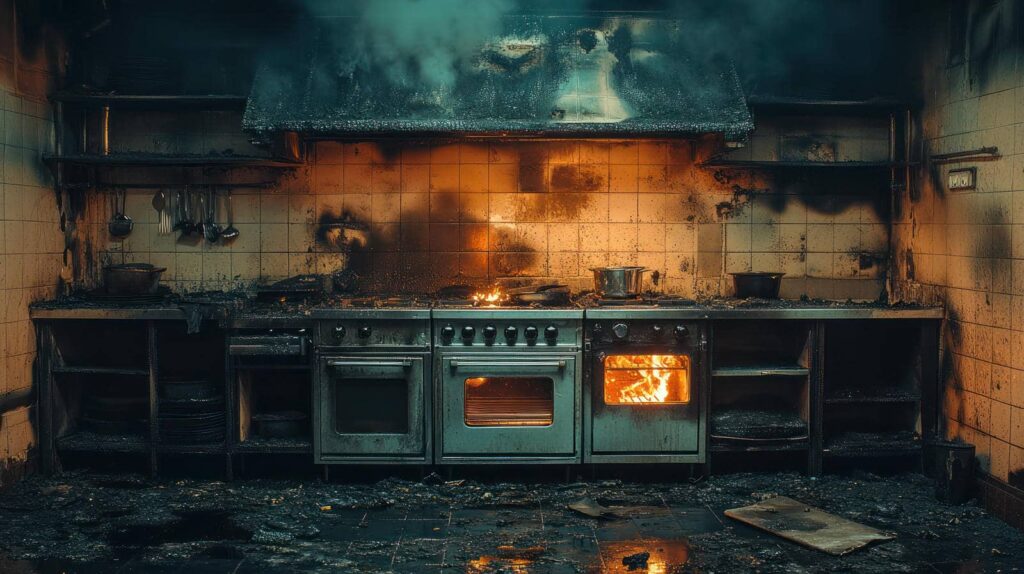
When faced with the aftermath of a disaster, like a scene from a gritty film, the importance of effective sewage and smoke cleanup can’t be overstated. You must approach this task with caution and precision to safeguard your health and property. Understanding the right steps to take is essential; each phase of the process requires careful consideration. What’s the first move you should make to ensure a thorough and safe cleanup?
Key Takeaways
- Wear protective gear, including gloves, masks, and goggles, to safeguard against contaminants during cleanup.
- Conduct a thorough property evaluation to identify the extent of damage from sewage or smoke.
- Remove standing water or debris promptly using buckets or a wet vacuum for effective cleanup.
- Use odor neutralizers like baking soda and vinegar to help eliminate persistent smells from sewage and smoke.
- Consider hiring professional restoration services for specialized treatment and to prevent further damage or health risks.
Assessing the Damage
Before you start the cleanup process, it’s essential to assess the damage caused by sewage or smoke.
Begin with a thorough property evaluation, looking for damage indicators such as discoloration, lingering odors, and structural issues. If you notice stains on walls, ceilings, or floors, these often signal deeper problems that require immediate attention.
Next, check for moisture, especially in areas affected by sewage. Signs like warped wood or dampness can indicate hazardous conditions.
For smoke damage, inspect surfaces for soot accumulation, which can be toxic and difficult to remove.
Document all findings meticulously, as this information will guide your cleanup efforts and may be useful for insurance claims.
Remember, a precise assessment helps you understand the extent of the damage and sets the stage for effective remediation.
Taking these steps ensures a more efficient and thorough recovery process.
Safety Precautions to Take
Once you’ve assessed the damage, prioritizing safety becomes paramount during the cleanup process.
Dealing with sewage or smoke often involves hazardous materials, and taking the right precautions can protect you and your loved ones.
Here are essential safety tips you should follow:
- Ensure proper ventilation in the area.
- Avoid direct contact with contaminated surfaces.
- Keep children and pets away from the affected zone.
- Have a first aid kit readily available for emergencies.
- If you’re unsure about the safety of handling certain materials, don’t hesitate to call for emergency response services.
Proper Protective Gear
When tackling sewage and smoke cleanup, wearing the right protective gear is essential for your safety.
You’ll need to take into account various types of protective equipment, including respiratory protection and clothing that safeguards your skin.
Understanding the importance of each component helps ensure you’re adequately protected from harmful substances.
Types of Protective Equipment
Having the right protective gear is essential when tackling sewage and smoke cleanup. You need to ensure your safety while effectively managing the situation.
Here are some key items you’ll want to include in your protective arsenal:
- Protective masks to filter harmful particles and odors
- Safety goggles to shield your eyes from contaminants
- Gloves to protect your hands from exposure
- Coveralls to keep your skin safe from spills and splashes
- Boots with waterproof features to navigate through affected areas
Equipping yourself with these essentials safeguards your health and boosts your confidence as you work through the cleanup process.
Prioritize your safety to effectively manage the challenges ahead.
Importance of Respiratory Protection
Proper respiratory protection plays a pivotal role in safeguarding your health during sewage and smoke cleanup. When you engage in these tasks, you’re exposed to various respiratory hazards, including bacteria, chemicals, and particulate matter.
Without adequate protection, you risk serious health issues, such as respiratory infections or chronic conditions.
Using appropriate protective measures, like N95 respirators or powered air-purifying respirators, ensures you’re shielding yourself from these dangers.
Always assess the specific risks associated with your cleanup environment and choose gear that meets those needs.
Remember, prioritizing your respiratory safety protects you and fosters a sense of responsibility within your community.
Clothing and Skin Safety
As you prepare for sewage and smoke cleanup, choosing the right clothing and skin protection is essential to minimize exposure to harmful contaminants.
Wearing appropriate gear safeguards your health and makes the cleanup process more effective. Here are key items to take into account for ideal clothing decontamination and skin protection:
Disposable coveralls: These protect your clothing from contaminants.
Rubber gloves: Essential for shielding your hands from hazardous substances.
Safety goggles: Protect your eyes from splashes and irritants.
Respirator mask: Filters out harmful particles and odors.
Sturdy boots: Prevent exposure to toxic waste and provide stability.
Initial Cleanup Steps
When dealing with sewage or smoke damage, your initial cleanup steps are essential to minimizing further harm and ensuring safety. Start with an initial assessment of the affected area. Identify the source of the damage and determine the extent of contamination. This assessment helps you prioritize your immediate actions.
Next, secure your safety by wearing protective gear, including gloves, masks, and goggles. If the damage is extensive, consider evacuating the area.
Once secured, remove any standing water or debris carefully, using buckets or a wet vacuum. If you’re dealing with smoke, ventilate the space by opening windows and using fans to circulate air.
Document the damage for insurance purposes, taking photos and noting affected items. These immediate actions protect your health and set the stage for a more thorough cleanup process later.
Dealing With Sewage Contamination
When dealing with sewage contamination, it’s essential to understand the health risks involved, as exposure can lead to serious illnesses.
You should assess the situation carefully and consider enlisting professional cleanup services to ensure safe and thorough remediation.
Taking these steps can protect your health and restore your environment effectively.
Health Risks Awareness
Understanding the health risks associated with sewage contamination is essential for anyone dealing with such situations. Ignoring these risks can lead to serious health effects, including:
Bacterial infections: Exposure can lead to gastrointestinal diseases.
Viral infections: Viruses like hepatitis A can spread through contaminated water.
- Respiratory issues: Inhalation of sewage particles can irritate the lungs.
Skin irritations: Direct contact may cause rashes or infections.
Long-term health risks: Prolonged exposure can result in chronic illnesses.
Being aware of these contamination risks allows you to take necessary precautions. Always prioritize your safety and the well-being of those around you.
If you suspect sewage contamination, it’s crucial to act quickly and responsibly to mitigate these health dangers.
Professional Cleanup Services
Hiring professional cleanup services is essential for effectively addressing sewage contamination, as these experts possess the necessary training and equipment to handle hazardous materials safely.
They follow strict cleanup protocols, ensuring that every step of the process minimizes health risks to you and your community. In an emergency response situation, time is critical; professionals can quickly assess the damage and implement solutions that you might overlook.
Their expertise expedites the cleanup and ensures compliance with health regulations. By entrusting your sewage issues to trained specialists, you foster a safer environment and gain peace of mind.
Ultimately, connecting with skilled professionals is key to restoring your space and protecting your loved ones from potential dangers.
Smoke and Soot Removal Techniques
Smoke and soot removal requires a systematic approach to effectively restore your space.
Start by addressing soot stains and smoke odors, as they can linger long after a fire or smoke incident. Here’s a step-by-step guide to help you tackle the cleanup:
Protect your health: Wear gloves, goggles, and a mask to keep yourself safe from harmful particles.
Ventilate the area: Open windows and doors to allow fresh air to circulate, helping to dissipate smoke odors.
Use a vacuum: Employ a vacuum with a HEPA filter to capture soot particles from surfaces.
Clean surfaces: Wipe down walls, ceilings, and furniture using a mixture of water and a mild detergent to remove soot stains.
Consider specialized products: For stubborn soot, consider using commercial soot removers or contacting professionals if necessary.
Following these techniques can help reclaim your space from the residue of smoke and soot.
Odor Elimination Methods
While eliminating odors can seem challenging, effective methods exist to neutralize lingering smells from smoke or sewage. Start by using odor neutralizers, which interact with odor molecules to render them ineffective. Common household items like baking soda and vinegar can work wonders, absorbing and neutralizing unpleasant scents.
For more stubborn odors, consider chemical treatments specifically designed for smoke or sewage smells. These products often contain enzymes or other active ingredients that break down odor-causing compounds. When selecting a chemical treatment, verify it’s safe for the surfaces you’re treating and follow the manufacturer’s instructions closely.
Additionally, good ventilation is essential. Open windows and use fans to help dissipate odors. If possible, invest in air purifiers equipped with HEPA filters to capture lingering particles.
Effective Water Damage Restoration
When dealing with water damage, it’s essential to assess the extent of the damage first to understand what you’re facing.
Depending on the situation, you might need to evaluate professional restoration services to ensure thorough cleanup and restoration.
Taking these steps can also help you prevent future issues and protect your property.
Assessing Damage Extent
Evaluating the extent of damage after a sewage or smoke incident is essential for effective water damage restoration. This process allows you to prioritize repairs and determine the resources needed.
Utilize reliable assessment tools to guide your damage evaluation, ensuring a thorough inspection of affected areas.
Consider the following points during your assessment:
- Identify the source of contamination.
- Check for structural damage to walls and floors.
- Inspect insulation and HVAC systems for smoke or water exposure.
- Assess personal belongings for salvageability.
- Document your findings for insurance claims.
Professional Restoration Services
After evaluating the damage, it’s important to contemplate professional restoration services for effective water damage restoration.
Engaging experts ensures a thorough damage assessment, identifying hidden issues that might escalate if neglected. Professionals use advanced restoration techniques tailored to your specific situation, which can greatly reduce recovery time and costs.
They employ specialized equipment to extract water, dry affected areas, and restore materials, ensuring your space is safe and habitable again. Additionally, their expertise minimizes the risk of mold growth and further deterioration.
Preventing Future Issues
To effectively prevent future issues related to water damage, it’s vital to implement proactive measures that address vulnerabilities in your home.
Regular maintenance and inspections can greatly reduce the risk of severe damage. Here are some essential steps to take into account:
- Schedule routine plumbing inspections to catch leaks early.
- Invest in drain maintenance to ensure proper water flow.
- Install sump pumps in areas prone to flooding.
- Keep gutters clean and clear to prevent overflow.
- Monitor humidity levels and use dehumidifiers in damp areas.
Professional Cleanup Services
When dealing with sewage and smoke damage, enlisting professional cleanup services can be crucial for restoring your space effectively. These experts have the right tools and training and understand the intricacies involved in thorough cleaning.
By choosing a professional service, you ensure that hazardous materials are handled safely, minimizing health risks for you and your loved ones.
While you might be concerned about cleanup costs, many services offer transparent pricing and can work within your budget. It’s important to request estimates upfront to avoid surprises later.
Additionally, professional teams often have defined service timelines, allowing you to plan your return to normalcy efficiently. They’ll assess the damage and provide a clear timeline for completion, which can help ease your worries.
Ultimately, investing in professional cleanup services can save you time, stress, and additional costs down the line, making it a smart choice for your recovery.
Preventive Measures for the Future
While it’s impossible to eliminate all risks associated with sewage and smoke damage, implementing preventive measures can greatly reduce the likelihood of such incidents.
By being proactive, you can protect your home and ensure a safer environment for everyone.
- Schedule regular plumbing inspections to catch issues early.
- Prioritize drain maintenance, clearing blockages to prevent backups.
- Install smoke detectors and test them monthly for reliability.
- Use non-toxic cleaning products to minimize harmful fumes.
- Create an emergency response plan, so everyone knows what to do in a crisis.
Frequently Asked Questions
Can I Use Regular Cleaning Supplies for Sewage Cleanup?
No, you can’t use regular cleaning supplies for sewage cleanup. The sewage contamination requires specialized cleaning equipment and disinfectants designed to handle hazardous materials effectively, ensuring safety and thorough decontamination for your environment.
How Long Does It Take for Odors to Dissipate Completely?
Odors can take anywhere from a few days to weeks to dissipate completely. Utilizing odor neutralization techniques and enhancing air circulation methods can markedly speed up the process, helping you reclaim a fresher environment more quickly.
Is It Safe to Stay in My Home During Cleanup?
Staying in your home during cleanup isn’t safe; it’s like dancing in a storm. Evacuate to protect your health, ensuring cleanup safety. Return only when experts confirm it’s clear, letting your home breathe easy again.
What Are the Health Risks Associated With Sewage Exposure?
Sewage exposure can expose you to harmful pathogens, leading to serious health effects like gastrointestinal issues, infections, or respiratory problems. It’s vital to address any contamination promptly to safeguard your well-being and that of others.
How Can I Prevent Future Sewage or Smoke Issues?
To prevent future sewage or smoke issues, implement preventive measures like regular inspections and maintenance tips, such as clearing drains and cleaning vents. Staying proactive helps ensure a safer, healthier environment for you and your loved ones.
Wrap-Up
Tackling sewage and smoke cleanup requires careful planning and execution. By prioritizing safety, using the right protective gear, and following the outlined steps, you can greatly reduce health risks and ensure a thorough restoration. Remember, when in doubt, don’t hesitate to seek professional help to safeguard your home and well-being against future damage.
Recent Posts
Essential Guide to Flood Damage Restoration Practices
Flood Damage Restoration begins with a fast, organized response to minimize structural damage and protect
Top 10 Flood Damage Restoration Best Practices
Damage Restoration starts with a fast, organized response to minimize property damage and prevent long-term
7 Essential Tips for Flood Damage Restoration
Flood Damage Restoration should begin as soon as it is safe to enter the property,