
Contents
A sewage backup is like a storm cloud hovering over your health and safety. When you face such a situation, it’s essential to understand the risks involved. Inadequate cleanup can leave harmful pathogens lingering, posing threats, especially to vulnerable individuals. Knowing the right techniques and precautions can make all the difference. What steps should you take to ensure a thorough and safe cleanup?
Key Takeaways
- Proper cleanup prevents health hazards caused by pathogens, bacteria, and viruses found in sewage contamination.
- Effective sanitation reduces the risk of respiratory issues from inhaling contaminated air.
- Thorough disinfection protects vulnerable populations, including children and the elderly, from serious illnesses.
- Professional assistance ensures safe handling of hazardous materials and efficient cleanup using advanced techniques.
- Regular maintenance and education on proper practices can prevent future sewage backups and associated risks.
Understanding Sewage Backup and Its Risks
When you experience a sewage backup, it’s essential to understand the potential risks involved. Sewage contamination can pose significant health hazards to you and your loved ones. The wastewater contains harmful pathogens, bacteria, and viruses that can lead to serious illnesses if ingested or if they come into contact with your skin.
Inhaling contaminated air can also result in respiratory issues. Moreover, prolonged exposure to sewage can exacerbate existing health problems, particularly for children, the elderly, and those with compromised immune systems.
It’s important to recognize that even seemingly minor backups can lead to extensive contamination, affecting your indoor environment and the surrounding area if not addressed promptly. Understanding these risks empowers you to take necessary precautions and seek professional help, ensuring a safer living space for everyone involved.
Prioritizing health and safety in these situations is essential for your well-being and that of your community.
Essential Safety Precautions Before Cleanup
Before you start cleaning up a sewage backup, it’s essential to take specific safety precautions.
Wearing appropriate personal protective equipment, ensuring proper ventilation, and understanding how to dispose of hazardous materials will protect your health and safety.
Addressing these points will help create a safer environment for the cleanup process.
Personal Protective Equipment
Three key pieces of personal protective equipment (PPE) are fundamental for safely handling a sewage backup cleanup.
First, wearing protective clothing is critical; it shields your skin from harmful pathogens and contaminants. Opt for waterproof gloves and coveralls that can be easily disposed of after the job.
Second, safety goggles are imperative for protecting your eyes from splashes and airborne particles that could pose serious health risks.
Finally, consider using a mask or respirator to filter out hazardous fumes and bacteria.
By equipping yourself with these essential items, you greatly reduce the risk of infection and ensure a safer working environment.
Ventilation and Air Quality
Once you’ve equipped yourself with the necessary personal protective equipment, the next step is ensuring proper ventilation and air quality in the affected area.
Start by opening windows and doors to promote air circulation, which helps to disperse harmful contaminants and odors. If possible, use fans to further enhance airflow, directing air out of the space. This aids in odor control and minimizes the risk of exposure to hazardous particles.
Keep in mind that stagnant air can exacerbate health risks, so prioritize a well-ventilated environment. Regularly monitor the air quality, and consider using air purifiers equipped with HEPA filters to capture microscopic pollutants.
Maintaining fresh air is essential for your safety during cleanup.
Hazardous Material Disposal
When preparing for a sewage backup cleanup, proper disposal of hazardous materials is essential to ensure safety and compliance with regulations.
You need to identify hazardous waste, which may include contaminated materials like sewage, cleaning agents, and personal protective equipment. Understanding appropriate disposal methods is vital.
Check local guidelines for hazardous waste disposal, as they often dictate how to handle and transport these materials. You might need to place waste in sealed containers and label them clearly.
It’s also wise to partner with licensed waste disposal companies to make sure everything is managed correctly. By prioritizing safe disposal practices, you protect yourself and your community, fostering a sense of responsibility and belonging in the face of potential hazards.
Proper Protective Gear and Equipment Needed
When dealing with sewage backup, it’s vital to wear the right protective gear to safeguard your health.
You’ll need essential safety equipment like gloves, masks, and eye protection, along with proper cleanup tools to handle the situation effectively.
Understanding what gear is necessary ensures you can tackle the task safely and efficiently.
Essential Safety Equipment
Cleaning up a sewage backup demands the right safety equipment to protect yourself from harmful pathogens and contaminants. To ensure your safety, follow established safety protocols during your cleanup procedures.
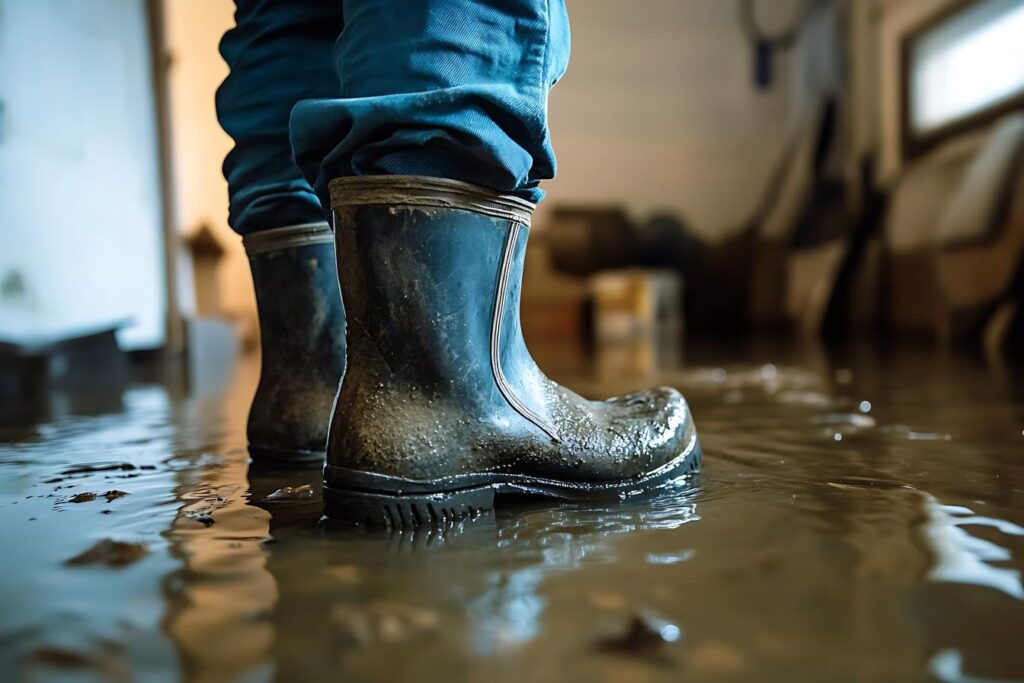
Start with durable gloves to shield your skin from direct contact with sewage. Eye protection, like goggles, is essential to prevent splashes that could lead to serious infections. Wear waterproof boots to keep your feet dry and protected from hazardous materials. A face mask or respirator can help you avoid inhaling harmful fumes.
Additionally, consider using a disposable coverall for added protection against contaminants. By equipping yourself with this essential safety equipment, you safeguard your health and enhance the efficacy of your cleanup efforts.
Personal Protective Gear
Proper protective gear is essential for anyone tackling a sewage backup, as it minimizes exposure to dangerous pathogens and contaminants.
When considering gear selection, focus on items like waterproof gloves, masks, goggles, and protective clothing. Each piece plays a vital role in ensuring personal safety during the cleanup process. Opt for materials that resist permeation, as they provide an extra layer of defense against harmful substances.
Don’t forget sturdy footwear to protect your feet from sharp objects and contaminated water.
Remember, the right gear safeguards your health and fosters a sense of belonging within your community as you take responsibility for your environment.
Prioritize your personal safety, and you’ll approach this challenging task with confidence and care.
Cleanup Tools Needed
To effectively tackle a sewage backup, it’s crucial to equip yourself with the right cleanup tools and equipment. Using appropriate cleanup supplies and sanitation equipment can make a significant difference in ensuring a thorough and safe cleanup. Here’s a quick reference table to guide you:
| Tool/Equipment | Purpose | Importance |
|---|---|---|
| Rubber Gloves | Protects hands from contaminants | Safety against infections |
| Disinfectant Solution | Kills bacteria and viruses | Ensure sanitation |
| Heavy-Duty Trash Bags | Collects waste and debris | Prevents further contamination |
| Wet/Dry Vacuum | Removes water and solids | Efficient cleanup process |
Having these tools at your disposal will help you manage the situation effectively while prioritizing your safety and hygiene.
Steps for Containing the Sewage Spill
When faced with a sewage spill, following a systematic approach is essential to effectively contain the contamination. First, assess the extent of the spill and identify any immediate hazards.
Then, use appropriate sewage containment methods, like barriers or absorbent materials, to prevent further spread. Make sure you wear protective gear, including gloves and masks, to safeguard yourself during the process.
Next, implement spill response strategies by isolating the affected area. Close doors and windows to minimize exposure, and post warning signs to keep others away. If necessary, shut off nearby utilities to prevent additional hazards.
Once the area is contained, document the spill’s location and size for further cleanup and reporting. Your prompt action protects your environment and fosters a sense of community responsibility.
Effective Cleanup Techniques for Sewage Backup
Although cleaning up sewage backup can be intimidating, employing effective techniques ensures a thorough and safe restoration of the affected area.
Start by wearing protective gear, including gloves and masks, to shield yourself from harmful pathogens. Next, contain the sewage spill with absorbent materials to prevent further spread. Remove all contaminated items, as they can harbor microbial contamination.
For the cleanup, use a wet vacuum designed for sewage treatment to extract water and waste efficiently. Thoroughly clean surfaces with a mixture of warm water and a suitable detergent to eliminate residual contaminants. Pay special attention to corners and crevices where bacteria may linger.
Finally, verify proper disposal of all waste according to local regulations, as improper disposal can pose serious health risks.
Disinfecting Affected Areas After Cleanup
Once you’ve completed the initial cleanup of sewage backup, it’s essential to disinfect the affected areas to eliminate any lingering pathogens. Start by using a suitable disinfectant, ensuring it’s effective against bacteria and viruses commonly found in sewage. Focus on disinfecting surfaces that came into contact with the sewage, including floors, walls, and any porous materials that may have absorbed contaminants.
Next, don’t forget to sanitize your tools. Rinse them thoroughly before applying disinfectant, as this helps remove any residue.
After disinfecting, allow surfaces to air dry completely, as this enhances effectiveness. Remember, proper disinfection protects your health and fosters a sense of safety in your environment.
Proper Disposal of Contaminated Materials
After completing the cleanup process, it’s essential to address the proper disposal of contaminated materials to prevent further health risks. You must handle items like carpets, insulation, and fabrics that have come into contact with sewage with great care. These materials can harbor harmful pathogens and shouldn’t be placed in regular trash.
Instead, research your local guidelines for safe disposal, which often require you to use designated waste facilities. Seal contaminated items in heavy-duty plastic bags to contain any pathogens before transporting them. By doing so, you’re protecting yourself and your community.
Make sure to wear protective gear while handling these materials to minimize your exposure to harmful contaminants. Remember, proper disposal isn’t just about cleaning your space; it’s about ensuring everyone’s safety and well-being. Your diligence in this process contributes to a healthier environment for yourself and others.
Importance of Professional Assistance
When dealing with a sewage backup, enlisting professional assistance can greatly reduce health risks and ensure a thorough cleanup.
Professionals bring essential expertise that ensures the contaminated area is effectively sanitized and restored. They understand the complexities of hazardous materials and know how to handle them safely, protecting you and your loved ones from potential exposure to harmful pathogens.
Attempting to manage this situation alone can lead to oversights, resulting in lingering health risks. By hiring specialists, you gain access to advanced techniques and equipment designed for thorough removal and decontamination.
Their experience helps prevent future issues and reassures you that the job is done right.
In a community where well-being matters, turning to professionals safeguards your health and reinforces your connection to a network that values safety and support.
Trusting expert help allows you to focus on recovery instead of worrying about the dangers that sewage backups pose.
Preventative Measures to Avoid Future Backups
To safeguard against future sewage backups, it’s essential to adopt a proactive approach to home maintenance and plumbing care. By staying ahead of potential issues, you’ll protect your home and foster a sense of community and shared responsibility.
Here are some key actions you can take:
- Schedule regular sewer inspections to catch problems early.
- Confirm proper drain maintenance by routinely clearing debris and grease.
- Educate family members about what should and shouldn’t be flushed.
Investing in these preventative measures can save you time, money, and stress in the long run.
Regular sewer inspections can reveal underlying issues before they escalate, while diligent drain maintenance helps ensure peak flow.
Summary
Properly cleaning up sewage backup isn’t just about restoring your space; it’s about safeguarding your health and that of your loved ones. Neglecting this vital task can invite a host of health risks, turning your home into a breeding ground for pathogens. Isn’t it worth the effort to ensure a safe environment? By following proper techniques and seeking professional help when needed, you can protect your property and community while promoting well-being for all.
Recent Posts
Essential Guide to Flood Damage Restoration Practices
Flood Damage Restoration begins with a fast, organized response to minimize structural damage and protect
Top 10 Flood Damage Restoration Best Practices
Damage Restoration starts with a fast, organized response to minimize property damage and prevent long-term
7 Essential Tips for Flood Damage Restoration
Flood Damage Restoration should begin as soon as it is safe to enter the property,