
Contents
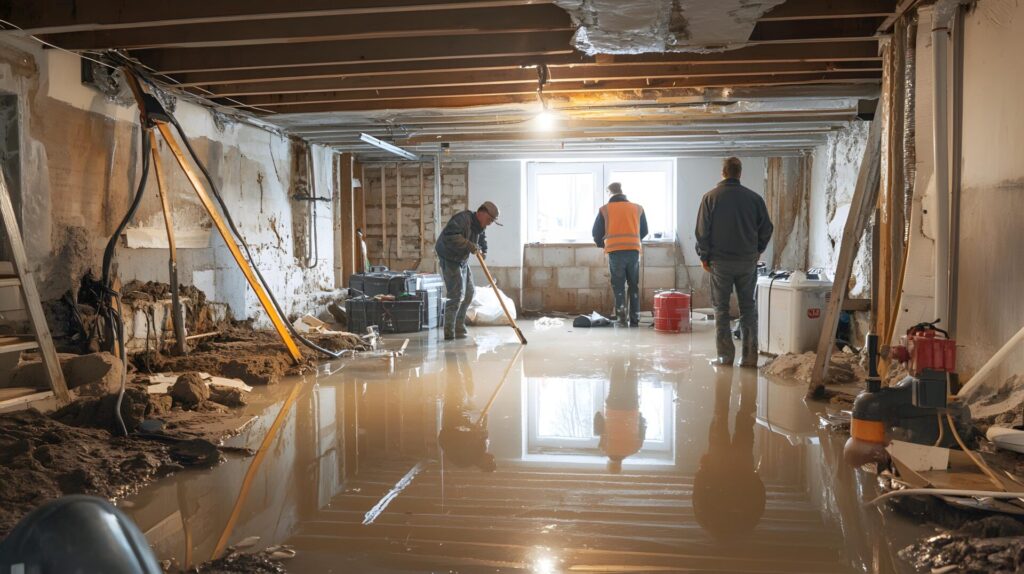
It is important to promptly and effectively address water damage. When faced with a flooded basement, it’s essential to understand the restoration process and the steps involved in transforming that space back into a safe and functional area. Let’s explore how to tackle the challenges of flood restoration and turn your basement into a valuable part of your home.
Key Takeaways
- Assess and document flood damage thoroughly to guide restoration efforts and support insurance claims.
- Utilize high-capacity pumps and dehumidifiers for effective water removal and moisture control.
- Implement mold prevention strategies, including thorough cleaning and proper drainage systems, to ensure a safe environment.
- Repair structural damage promptly, seeking professional help when necessary to maintain safety and integrity.
- Explore long-term solutions like flood barriers and improved grading to prevent future flooding incidents.
Assessing the Damage: The First Step in Flood Restoration
When flooding occurs, evaluating the damage is essential to restoring your basement effectively. Start with an initial inspection to assess the extent of water intrusion. Look for signs of structural damage, such as cracks in the walls or sagging ceilings.
Pay close attention to materials like drywall, insulation, and flooring, as they can harbor mold if not addressed promptly.
During the damage evaluation, document everything. Take photos and note the types of materials affected. This record will be vital for insurance claims and restoration plans.
Don’t forget to check electrical systems; water and electricity don’t mix well.
Understanding the scope of the damage not only guides your restoration efforts but also helps you feel in control during a stressful time.
You’re not alone in this journey; connecting with professionals can provide the support you need to navigate the complex process of restoring your basement.
Essential Tools and Equipment for Effective Water Removal
Effective water removal from a flooded basement requires a specific set of tools and equipment to guarantee a thorough and efficient process.
Start with a high-capacity submersible pump; it’s vital for quickly removing large volumes of water. Pair this with a wet/dry vacuum for residual moisture and smaller areas.
Don’t overlook essential water extraction methods, like using dehumidifiers to reduce humidity levels post-removal.
Safety’s paramount, so equip yourself with essential safety gear, including waterproof gloves and boots, to protect against contaminants. Goggles are also wise to shield your eyes from debris.
Finally, consider a moisture meter to assess lingering dampness. This confirms you’ve tackled all the water, preventing future issues.
Remember, the right tools not only streamline the process but also provide peace of mind as you reclaim your space.
You’re not alone in this journey; having the right equipment helps restore safety and comfort to your home.
Understanding the Importance of Mold Prevention
When dealing with a flooded basement, understanding mold prevention is essential for your health and safety.
Mold can pose serious health risks, and taking effective prevention measures can save you from costly remediation later.
Health Risks of Mold
Although many people may overlook mold as a minor nuisance, it poses significant health risks that can severely impact your well-being.
Mold exposure can lead to mold symptoms like respiratory issues, skin irritation, and even chronic fatigue. For those with allergies or compromised immune systems, the risks are even greater, potentially triggering severe reactions.
Recognizing the importance of mold prevention is vital for maintaining a safe environment, especially in areas prone to flooding. Taking proactive measures can protect you and your loved ones from these hidden dangers.
Effective Prevention Strategies
To keep mold at bay, you must implement a variety of proactive strategies that focus on moisture control and environmental management. Here are some essential methods to take into account:
| Prevention Strategy | Description |
|---|---|
| Flood Barriers | Install to redirect water away from your home. |
| Sump Pumps | Utilize to remove excess water promptly. |
| Drainage Systems | Confirm proper installation to prevent pooling. |
| Waterproof Coatings | Apply to walls and floors for added protection. |
| Landscaping Solutions | Grade your yard to promote effective rainwater management. |
Incorporating interior sealing and adhering to local building codes will further reduce moisture levels. By embracing these strategies, you create a safer, mold-free environment that fosters well-being for you and your loved ones.
Repairing Structural Damage: What You Need to Know
If you find yourself dealing with structural damage after a flooding incident, addressing it promptly is crucial to prevent further deterioration.
First, assess the extent of the damage to your home’s structural integrity. Look for cracks in walls, sagging floors, or any signs of shifting foundations. Ignoring these issues can lead to more costly repairs down the line.
When it comes to repair techniques, consider consulting a professional who specializes in structural restoration. They can provide tailored solutions, whether it’s reinforcing beams or applying epoxy to stabilize cracks.
Make sure they use materials that match your building’s original specifications for maximum strength.
Choosing the Right Drying Techniques for Your Basement
When it comes to restoring your flooded basement, evaluating the extent of water damage is essential for choosing effective drying techniques.
You’ll need to take into account the specific conditions of your space and select the right drying equipment to guarantee thorough moisture removal.
Understanding these factors can greatly impact the success of your restoration efforts.
Assessment of Water Damage
As you assess the water damage in your basement, it’s vital to understand the extent of the flooding before choosing the right drying techniques.
Start with water source identification—determine whether the water came from a burst pipe, rain intrusion, or sewage backup. This knowledge is important for effective restoration.
Next, conduct a damage severity evaluation; look for signs like warped flooring, mold growth, or structural issues. These factors will guide your drying strategy.
Remember, the longer you wait, the more extensive the damage can become.
Recommended Drying Equipment
Having assessed the water damage in your basement, selecting the right drying equipment becomes essential for an effective restoration process.
Start with dehumidifier types; a refrigerant dehumidifier works well for warmer environments, while a desiccant model excels in cooler spaces. Both help reduce humidity levels, vital for preventing mold growth.
Next, consider air movers. Their benefits include improving air circulation, accelerating drying times, and preventing stagnant moisture.
Combining these tools creates an ideal drying environment, ensuring your basement returns to its original state efficiently.
Remember, choosing the right equipment restores your space and fosters a sense of safety and belonging in your home.
Trust in these solutions to guide you through this challenging journey.
Cleaning and Sanitizing: Ensuring a Safe Environment
To guarantee a safe environment after flooding, it’s crucial to prioritize thorough cleaning and sanitizing of the affected areas. You’ll want to use effective sanitizing methods to eliminate harmful bacteria and mold, guaranteeing your space is safe for you and your loved ones. Opt for safe materials like vinegar, hydrogen peroxide, or commercial disinfectants that meet safety standards.
Here’s a quick guide to help you through the cleaning process:
| Task | Recommended Approach |
|---|---|
| Surface Cleaning | Use soap and water solution |
| Mold Removal | Apply vinegar or bleach solution |
| Disinfecting Surfaces | Utilize EPA-approved sanitizer |
| Floor Treatment | Steam clean or mop with disinfectant |
| Final Inspection | Confirm no moisture remains |
Following these steps restores your basement and fosters a sense of security in your home. You deserve a safe and welcoming space.
When to Call in Professionals for Restoration Services
Even after thorough cleaning and sanitizing, some situations may require professional intervention to secure complete restoration.
You might wonder when it’s time to call in the experts, and recognizing these key indicators can help you make that decision confidently:
Severe water damage: If structural elements like walls or floors are compromised, don’t hesitate to seek a professional assessment.
Persistent mold growth: Mold can pose serious health risks and may be challenging to eliminate without specialized equipment.
Unpleasant odors: Lingering smells often signal hidden moisture issues that experts can identify and address.
Emergency response needed: If flooding occurs again, a quick call to professionals ensures swift action and minimizes further damage.
Engaging professionals not only brings peace of mind but also secures that your home returns to a safe, livable condition.
Trust their expertise to guide you through the restoration journey.
Implementing Long-term Solutions to Prevent Future Flooding
While you may have successfully restored your basement after a flood, it’s vital to implement long-term solutions to prevent future incidents.
Start by installing flood barriers and enhancing your drainage systems. Consider adding sump pumps to manage any excess water effectively. Waterproofing membranes can shield your basement walls, while foundation sealing keeps moisture at bay.
Landscaping modifications play an important role, too; ensure proper exterior grading directs water away from your foundation. Regular gutter maintenance prevents clogs that can lead to overflow.
Don’t overlook interior drainage systems, which can capture any intrusions before they escalate. Utilize flood-resistant materials in your basement for added protection.
Insurance Claims: Navigating the Process After a Flood
After a flood, maneuvering through the insurance claims process can feel overwhelming, but understanding the steps involved can make it more manageable.
You’ll want to stay organized and proactive as you document your losses and communicate with your adjuster.
Start with thorough claim documentation, including photos and lists of damaged items.
Reach out to your insurance company promptly to report the flood and initiate your claim.
Maintain clear and consistent adjuster communication; don’t hesitate to ask questions or request updates.
Keep records of all conversations and correspondence for future reference.
Success Stories: Real-Life Transformations of Flooded Basements
You’ve faced the challenging task of restoring a flooded basement, and it hasn’t been easy.
Many homeowners like you have encountered significant challenges, yet they’ve turned to innovative solutions to transform their spaces.
Let’s explore some inspiring success stories that highlight the remarkable transformations achieved through resilience and expert restoration techniques.
Before Restoration Challenges
When facing the intimidating aftermath of a flooded basement, it’s easy to feel overwhelmed by the challenges that lie ahead.
You might encounter numerous issues that need addressing before you can even think about restoration:
- Estimating floodwater removal costs can be challenging.
- Scheduling a thorough basement inspection is essential to assess structural damage.
- Dealing with mold risks that develop quickly requires immediate attention.
- Managing emotional stress from the loss of personal belongings can be tough.
Recognizing these challenges is the first step toward a successful restoration journey.
Innovative Solutions Implemented
Although flooded basements can seem like insurmountable challenges, innovative solutions have transformed many spaces back into functional, inviting areas. Homeowners have successfully integrated advanced drainage systems and sump pumps to manage water flow effectively. Waterproof coatings and flood barriers have provided essential protection, while sealing cracks guarantees that moisture doesn’t creep back in. Landscape grading and water diversion techniques redirect rainwater away from homes. Dehumidifying technology, along with ventilation improvements and basement insulation, creates a comfortable environment.
| Solution | Description | Benefit |
|---|---|---|
| Drainage Systems | Directs water away from the home | Prevents future flooding |
| Sump Pumps | Removes accumulated water | Keeps the basement dry |
| Waterproof Coatings | Seals walls against moisture | Enhances durability and protection |
Final Transformation Highlights
As homeowners faced the intimidating aftermath of flooded basements, their resilience and determination led to remarkable transformations that turned once-damp spaces into thriving, functional areas.
Each restoration journey highlights the technical improvements made and the emotional victories achieved.
Cozy Home Theaters: Transforming forgotten corners into inviting entertainment spaces.
Stylish Home Offices: Enhancing productivity with dedicated workspaces that boast design aesthetics.
Luxurious Laundry Rooms: Upgrading functionality with smart storage solutions and sleek finishes.
Inviting Playrooms: Creating safe, fun areas for kids, combining both safety and style.
These success stories showcase how you can reclaim your space, turning challenges into beautiful, functional improvements that truly reflect your home’s spirit.
Wrap-Up
Transforming your flooded basement isn’t just a repair; it’s a chance to create a safe, functional space, much like turning a blank canvas into a vibrant masterpiece. By meticulously evaluating damage, employing effective water removal techniques, and preventing mold, you can ensure your basement becomes a valuable part of your home. Remember, seeking professional help can streamline this complex process, guiding you through insurance claims and long-term solutions, ultimately restoring peace of mind in your living environment.
Recent Posts
Why Use Effective Water Damage Assessment Methods?
You may see only a damp stain, yet you could be facing hidden structural decay.
5 Best Ways to Prevent Smoke and Soot Damage
Many homeowners underestimate the importance of prevention when it comes to smoke and soot damage.
What Are Homeowner Tips for Emergency Sewage Removal?
A clogged drain can be likened to a ticking time bomb, waiting to disrupt your