
Contents
Home damage restoration can feel overwhelming, yet a systematic approach can turn chaos into order. You’ll want to start by thoroughly evaluating the damage and documenting everything for future reference. Each step, from water extraction to mold prevention, plays a critical role in the restoration process. Understanding these techniques is essential, but knowing how to implement them effectively is what truly matters. Let’s explore how you can navigate this intricate process.
Key Takeaways
- Conduct a thorough damage assessment, documenting findings with photos and notes for insurance and restoration planning.
- Implement efficient water extraction techniques and manage contaminated water promptly to restore safety and sanitation.
- Utilize dehumidifiers and air circulation to lower humidity levels, preventing mold growth in affected areas.
- Choose appropriate cleaning products and disinfectants, ensuring thorough sanitization and safe restoration of surfaces.
- Review insurance policies and maintain clear communication with insurers while documenting all repairs and restoration efforts.
Assessing the Damage
When you face home damage, it’s essential to assess the situation methodically to determine the extent and type of damage present. Start with an initial evaluation, carefully inspecting all areas affected.
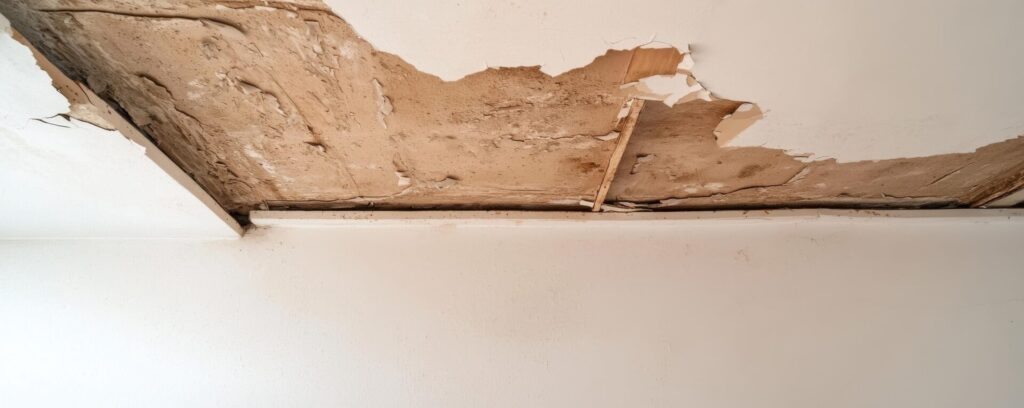
Check for visible signs of damage, like cracks, stains, or mold, that may indicate underlying issues. Document your findings meticulously, as this will be critical for insurance claims and restoration efforts.
Next, categorize the damage—structural, cosmetic, or environmental—to prioritize your response. For instance, structural damage may require immediate attention, while cosmetic concerns can often wait.
It’s also crucial to take into account potential hazards, such as exposed wires or unstable structures, that could pose risks to your safety.
Water Extraction Methods
When water damage occurs, swift and effective extraction is essential to prevent further complications.
You’ll need to understand the different types of extraction equipment, follow established emergency response procedures, and implement appropriate drying techniques.
Each of these elements plays a significant role in restoring your home efficiently.
Extraction Equipment Types
To effectively manage water damage, understanding the various types of extraction equipment is essential for restoration professionals.
Familiarize yourself with different extraction pump types, including submersible and diaphragm pumps, each designed for specific scenarios. Submersible pumps are ideal for deeper water, while diaphragm options work well in low-water situations.
Additionally, consider portable extractor options, which allow flexibility and efficiency in tight spaces. These units often feature built-in vacuums and can remove water quickly from carpets and upholstery.
Familiarizing yourself with these extraction methods enhances your skills and ensures you’re well-equipped to tackle any water damage challenge, fostering a sense of community among professionals dedicated to restoring homes effectively.
Emergency Response Procedures
Effective emergency response procedures are essential for minimizing damage during water extraction. Your first step is to contact emergency services if necessary. Then, follow these immediate actions to ensure a safer and more effective water extraction process:
| Step | Action | Purpose |
|---|---|---|
| 1. Assess Damage | Inspect affected areas | Identify severity and scope |
| 2. Shut Off Power | Turn off electricity | Prevent electrical hazards |
| 3. Contact Experts | Call restoration professionals | Ensure proper equipment and expertise |
| 4. Document Damage | Take photos and notes | Support insurance claims |
Drying Techniques Overview
Understanding various drying techniques is crucial for effective water extraction and damage restoration.
You’ll want to start with airflow management, which plays a critical role in drying out affected areas. Using high-velocity fans can greatly enhance evaporation rates, helping to remove moisture quickly.
Next, implement moisture measurement tools to assess the extent of water damage and monitor humidity levels throughout the process. Regularly checking these measurements allows you to adjust your drying strategies as needed.
Dehumidifiers are also important; they help lower humidity, pulling excess moisture from the air.
Combining these methods ensures that you thoroughly tackle water damage, promoting a quicker restoration.
Drying and Dehumidification
Proper drying and dehumidification are vital steps in the home damage restoration process, especially after water intrusion.
To effectively manage moisture control, you’ll need to initiate air circulation throughout the affected areas. Start by opening windows and doors, allowing fresh air to flow in and stagnant air to exit. Position fans strategically to enhance air movement, targeting damp spots directly.
Using a dehumidifier is essential; it draws moisture from the air, promoting a drier environment. Monitor humidity levels with a hygrometer, aiming for readings below 60%. By maintaining low humidity, you expedite drying and mitigate the risk of mold growth.
Ensure that you check hidden areas, such as behind walls and under flooring, as moisture can accumulate there.
Cleaning and Sanitizing Affected Areas
Once you’ve completed drying and dehumidification, it’s crucial to focus on cleaning and sanitizing the affected areas to prevent health hazards and restore your home’s integrity.
Start by selecting effective cleaning products that are suitable for the surfaces you’re dealing with. Use a mix of detergent and warm water to scrub away dirt and debris. Make sure you wear protective gear, such as gloves and masks, to safeguard your health during this process.
Next, employ sanitizing techniques to eliminate any lingering bacteria or viruses. Consider using EPA-approved disinfectants, following the manufacturer’s instructions for proper application and dwell time. Pay special attention to high-touch surfaces, making certain they’re thoroughly sanitized.
Finally, let the cleaned areas air dry completely to ensure maximum effectiveness.
Mold Prevention Techniques
To effectively prevent mold growth, you need to control indoor humidity levels, ideally keeping them below 60%.
Ensuring proper ventilation in your home allows for adequate air circulation, which is essential in reducing moisture accumulation.
Regularly inspecting water sources for leaks or dampness will help you identify potential issues before they escalate.
Control Indoor Humidity Levels
Controlling indoor humidity levels is essential for preventing mold growth, as excessive moisture creates an ideal environment for spores to thrive. You can effectively achieve humidity control through moisture management strategies. Here’s a table to help you understand key methods:
| Method | Description | Benefits |
|---|---|---|
| Dehumidifiers | Use appliances to reduce indoor humidity. | Lowers moisture levels. |
| Ventilation | Open windows or use exhaust fans. | Improves air circulation. |
| Insulation | Properly insulate walls and attics. | Reduces condensation. |
| Regular Maintenance | Check for leaks and fix promptly. | Prevents moisture buildup. |
Ensure Proper Ventilation
Proper ventilation plays an essential role in maintaining a healthy indoor environment and preventing mold growth.
By ensuring effective air circulation, you can significantly reduce humidity levels and create an environment inhospitable to mold spores.
Here are four techniques to enhance your home’s ventilation systems:
Use Exhaust Fans: Install them in kitchens and bathrooms to expel moisture-laden air.
Open Windows: Regularly open windows to allow fresh air to circulate, especially during dry days.
Install Ventilation Grills: Place them in walls or doors to promote cross-ventilation throughout your home.
Maintain HVAC Systems: Schedule regular maintenance to ensure ideal airflow and efficiency.
Regularly Inspect Water Sources
Since water is a primary contributor to mold growth, regularly inspecting your water sources is essential for effective mold prevention.
Start by checking for any visible signs of a water leak, such as discoloration on walls or ceilings. Pay attention to areas around appliances, sinks, and pipes, as these are common sources of leaks.
Implement a routine plumbing maintenance schedule, ensuring that all fixtures are functioning properly and that there are no drips or unusual sounds.
Don’t overlook your roof and gutters; clogged gutters can lead to water overflow and damage.
Repairing Structural Damage
When addressing structural damage, it’s essential to assess the extent of the harm before proceeding with repairs.
Understanding the severity helps you determine whether you need professional assistance or can manage minor fixes yourself. Here are the key steps to follow:
Inspect the Foundation: Look for cracks or shifts that may indicate underlying issues requiring foundation repair.
Identify Weak Points: Examine beams, joists, and load-bearing walls for signs of distress, which may need structural reinforcement.
Document Damage: Take photos and notes for reference, especially if you need to file an insurance claim.
Create a Repair Plan: Outline the necessary repairs, whether it’s patching cracks or installing support systems, and prioritize tasks based on urgency.
Dealing With Contaminated Water
Contaminated water can pose significant health risks and lead to extensive property damage if not addressed promptly. You must identify contamination sources, such as sewage backups or floodwaters, which can drastically affect water quality. Begin by ensuring your safety; wear protective gear before evaluating the situation.
Here’s a quick reference table to help you categorize the types of contaminated water and their sources:
| Water Type | Contamination Sources | Health Risks |
|---|---|---|
| Category 1 | Clean water (broken pipes) | Minimal health risk |
| Category 2 | Grey water (washing machines) | May cause illness |
| Category 3 | Black water (sewage) | Severe health risks |
Once you’ve identified the type, act quickly to remove the contaminated water, sanitize the area, and restore your home’s water quality.
Working With Insurance Claims
Steering through the insurance claims process can feel overwhelming, especially after experiencing home damage.
However, understanding your insurance policy and being methodical can simplify the claim process. Here are four essential steps to follow:
Document Everything: Take photos and notes of the damage to support your claim.
Review Your Policy: Know what’s covered and any exclusions to avoid surprises.
Contact Your Insurer Promptly: Notify them immediately to start the claim process and ask about required documentation.
Follow Up Regularly: Maintain communication with your claims adjuster to ensure timely processing.
Final Thoughts
Effective home damage restoration hinges on a systematic approach, from evaluating the damage to managing insurance claims. By implementing thorough water extraction and drying techniques, you can greatly reduce the risk of mold growth. Remember, swift action and proper documentation streamline the process and enhance your chances of a successful insurance claim. Embrace these methods, and you’ll safeguard your home against future damage, proving that a methodical approach truly pays off in restoration efforts.
Recent Posts
Essential Guide to Flood Damage Restoration Practices
Flood Damage Restoration begins with a fast, organized response to minimize structural damage and protect
Top 10 Flood Damage Restoration Best Practices
Damage Restoration starts with a fast, organized response to minimize property damage and prevent long-term
7 Essential Tips for Flood Damage Restoration
Flood Damage Restoration should begin as soon as it is safe to enter the property,