
Contents
It’s vital to take proactive steps to protect your home and family from these hazards. From regular inspections to safe cooking practices, there are effective strategies you can implement. Discover how you can safeguard your living space and minimize the risk of smoke and soot damage.
Key Takeaways
- Schedule annual HVAC inspections and change filters regularly to enhance air quality and reduce soot accumulation.
- Use exhaust fans in kitchens and bathrooms to improve ventilation and minimize smoke buildup.
- Keep flammable items away from heat sources to lower the risk of fire and smoke damage.
- Clean chimneys at least once a year to prevent creosote buildup and ensure safe fireplace operation.
- Implement fire-resistant construction materials, such as fiber cement siding and brick, to minimize potential damage.
Regularly Inspect and Maintain Heating Systems
Since heating systems can be a major source of smoke and soot damage, it’s crucial to inspect and maintain them regularly.
Start by checking your system’s heating efficiency; a well-maintained unit uses less energy and reduces the risk of malfunctions that lead to smoke. Schedule annual inspections with a qualified technician to ensure everything runs smoothly and efficiently. They can also identify necessary system upgrades that enhance performance and safety.
Don’t overlook changing filters every few months to keep your system clean and effective. A clean filter improves air quality and lowers the chances of soot buildup.
If you notice strange noises or strange odors, address these issues immediately. By staying proactive with your heating system, you protect your home from smoke damage and create a safer, more comfortable environment for you and your loved ones.
Regular maintenance fosters a sense of belonging and security in your space.
Install Smoke Alarms and Carbon Monoxide Detectors
Even with a well-maintained heating system, the risk of smoke and carbon monoxide exposure remains a concern. To protect your home and loved ones, installing smoke alarms and carbon monoxide detectors is essential.
Place these devices in key areas, such as bedrooms, hallways, and near potential sources of combustion.
Regular smoke detector maintenance is vital; test alarms monthly and replace batteries at least once a year. If your detectors are over ten years old, it’s time to replace them.
Additionally, educate yourself and your family about carbon monoxide awareness. This silent killer can accumulate without warning, so having a functional detector can save lives.
Practice Safe Cooking Habits
To prevent smoke and soot damage, practicing safe cooking habits is essential.
Stay attentive while cooking, use proper ventilation techniques, and keep flammable items away from heat sources.
These simple steps can greatly reduce the risk of accidents in your kitchen.
Stay Attentive While Cooking
When you’re cooking, staying attentive is essential to prevent smoke and soot damage. Cooking distractions can easily lead to accidents, so keep your focus on the task at hand.
Before you start meal prep, gather all your ingredients and tools to minimize interruptions. Avoid multitasking with other activities that can divert your attention.
If you need to step away, set a timer to remind yourself to check on your cooking. Monitor your stove and oven closely, adjusting heat levels as necessary to prevent food from burning.
Use Proper Ventilation Techniques
Staying attentive while cooking is just one part of maintaining a safe kitchen. Proper ventilation techniques are essential for keeping air circulation ideal and minimizing smoke and soot damage.
Always turn on your ventilation systems, like exhaust fans or range hoods, when you start cooking. These systems help remove smoke, odors, and excess heat while ensuring fresh air flows in.
If you’re grilling or frying, open windows to enhance air circulation further. Consider investing in a high-quality air purifier to filter out any lingering particles.
Regularly clean your ventilation systems to maintain their efficiency. By prioritizing proper ventilation, you’ll create a healthier cooking environment for yourself and your loved ones, making your kitchen a place where everyone feels comfortable and safe.
Keep Flammable Items Away
Keeping flammable items away from your cooking area is essential for preventing accidents and ensuring a safe kitchen environment.
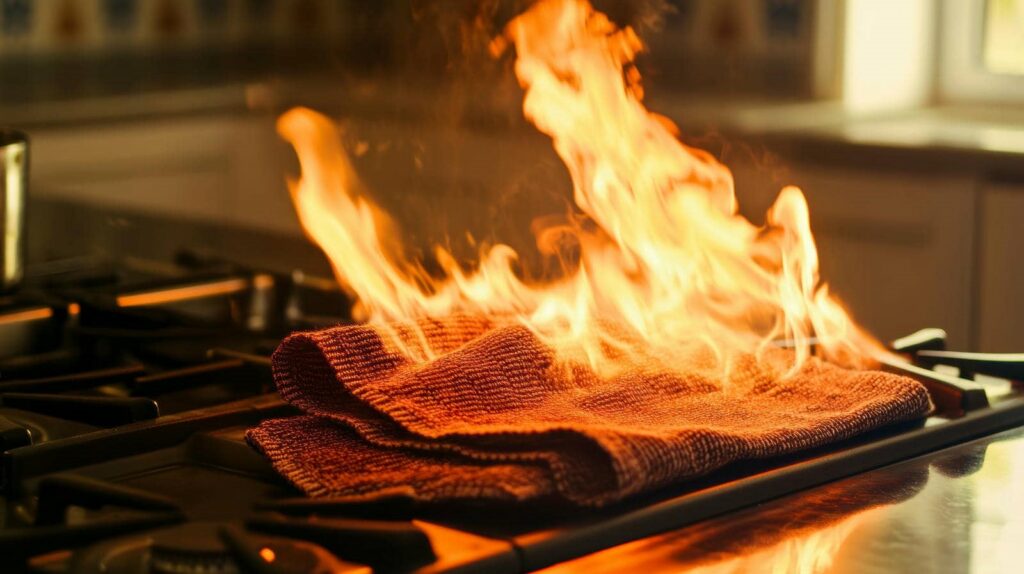
Designate safety zones around your stovetop and oven, keeping them clear of paper towels, dishcloths, and other combustible materials. Consider using fireproof storage for items like oils and spices; this won’t only protect them but also reduce the risk of fire.
Regularly check your kitchen for potential hazards and move flammable items to safer locations. By practicing these habits, you’ll foster a sense of community and responsibility among your family and friends, ensuring everyone feels secure while cooking.
Use Quality Fireplaces and Chimneys
Investing in quality fireplaces and chimneys can greatly reduce the risk of smoke and soot damage in your home.
To ensure safety and efficiency, consider these essential tips:
Choose the Right Material: Opt for durable, heat-resistant materials that can withstand high temperatures.
Regular Fireplace Maintenance: Schedule routine checks to ensure everything is functioning properly and identify any potential issues early.
Chimney Cleaning: Clean your chimney at least once a year to prevent creosote buildup, which can lead to chimney fires.
Install a Cap: A chimney cap prevents debris and animals from entering, reducing the risk of blockages that can cause smoke to back up into your home.
Keep Flammable Materials Away From Heat Sources
To prevent smoke and soot damage, it’s vital to identify areas in your home where flammable materials might be at risk.
Make sure to store items like paper, cloth, and chemicals far from heat sources such as stoves, heaters, and fireplaces.
Staying proactive about this can greatly reduce the chances of a fire incident.
Identify Hazardous Areas
Since flammable materials can ignite easily when exposed to heat sources, it’s crucial to identify hazardous areas in your home. By being proactive, you can minimize risks and ensure safety for everyone.
Here are some key locations to evaluate:
Kitchen: Keep paper products and dish towels away from the stove.
Garage: Store gasoline and other chemicals away from heating appliances.
Living Areas: Confirm curtains and upholstery are kept clear of radiators and heaters.
Bedrooms: Avoid placing clothing or blankets near space heaters.
Regularly check these hazardous locations and maintain smoke detection systems to catch any issues early.
Your vigilance can make a significant difference in preventing smoke and soot damage.
Store Materials Safely
Keeping flammable materials stored safely is an essential step in preventing smoke and soot damage. By using fireproof storage solutions, you can greatly reduce the risk of a fire igniting in your home or workspace.
Verify that all flammable items, like cleaning supplies, paints, and fuels, are kept away from heat sources such as stoves, heaters, or direct sunlight. Practice safe material handling by organizing these items in designated areas, away from high-traffic zones.
Label these storage areas clearly to remind everyone of their importance. Regularly inspect your storage methods to confirm they remain effective and compliant with safety standards.
Educate Family Members on Fire Safety
While fire safety may seem like a straightforward topic, educating family members about its importance can make a significant difference in preventing smoke and soot damage.
By engaging everyone in fire safety training, you’re fostering a sense of responsibility and belonging. Here are four essential tips to get started:
Discuss Fire Risks: Talk about common household fire hazards and how to avoid them.
Conduct Family Drills: Regularly practice fire drills to ensure everyone knows what to do in case of an emergency.
Teach Fire Extinguisher Use: Show family members how to properly use a fire extinguisher, emphasizing the PASS technique (Pull, Aim, Squeeze, Sweep).
Establish Meeting Points: Decide on safe meeting spots outside the home, so everyone knows where to gather after escaping.
Create and Practice an Emergency Escape Plan
Creating and practicing an emergency escape plan is essential for ensuring your family can react swiftly and safely in the event of a fire. Start by identifying clear escape routes from every room in your home. This could include windows, doors, or other exits. Make sure everyone knows these routes and how to reach them quickly.
Next, hold practice drills at least twice a year. This will help your family remember the plan and build confidence in their ability to respond. During practice drills, time how long it takes to exit the home, and discuss any obstacles they encountered.
Encourage open communication about fire safety, allowing everyone to share their thoughts and concerns. By regularly reviewing and practicing your escape plan, you create a sense of belonging and teamwork within your family, ensuring that everyone feels prepared and safe in case of an emergency.
Use Fire-Resistant Materials in Home Construction
When building or renovating your home, choosing durable, fire-resistant materials is essential for minimizing smoke and soot damage.
Implementing a fire-resistant design can greatly reduce the risk of fire spreading and protect your investment.
Choose Durable Building Materials
Choosing durable building materials is essential for minimizing smoke and soot damage in your home. By selecting materials that offer both sustainability and impact resistance, you can enhance your home’s resilience.
Here are four materials to evaluate:
Fiber Cement Siding – Non-combustible and durable, it withstands extreme conditions.
Steel Framing – Offers superior strength and fire resistance, ensuring structural integrity.
Brick and Stone – Naturally fire-resistant and provides excellent insulation against heat.
Concrete – A sustainable choice that’s not only durable but also helps prevent fire spread.
Incorporating these materials fosters a safer environment while promoting sustainable living.
Protecting your home starts with smart choices that enhance its longevity and safety.
Implement Fire-Resistant Design
To effectively minimize the risk of fire damage in your home, implementing a fire-resistant design is essential.
Start by using fire-resistant materials in your construction, like non-combustible siding and roofing. Incorporate flame retardant coatings on wooden surfaces to enhance their resistance to flames.
Additionally, consider integrating fire resistant landscaping by using gravel or stone instead of mulch, which can easily ignite. Planting fire-resistant shrubs and trees can also create a natural barrier against flames.
By being proactive with these design choices, you protect your home and foster a sense of security for you and your loved ones.
Together, these measures contribute to a safer living environment where you can truly feel at home.
Hire Professionals for Regular Inspections
Regular inspections by professionals can greatly reduce the risk of smoke and soot damage in your home. By prioritizing fire prevention through professional assessments, you can safeguard your loved ones and your property.
Here are four key benefits of hiring experts for regular inspections:
Expert Evaluation: Professionals know what to look for, identifying potential hazards that might go unnoticed.
Preventive Measures: They’ll recommend necessary upgrades or changes to enhance your fire safety.
Insurance Compliance: Regular inspections may be required by your insurance policy, ensuring you’re covered in case of a fire.
Peace of Mind: Knowing your home is regularly inspected provides reassurance that you’re taking proactive steps to protect your family.
Don’t wait for a disaster to strike; invest in regular professional assessments and keep your home safe from smoke and soot damage.
Ensure Proper Ventilation in Your Home
Ensuring proper ventilation in your home is essential, especially if you want to minimize smoke and soot damage.
Good airflow management is vital, as it helps disperse harmful particles and keeps your indoor air clean. Start by checking your ventilation systems; make sure they’re functioning properly and not blocked by debris.
Consider using exhaust fans in areas like kitchens and bathrooms to enhance air circulation. Opening windows when safe can also promote fresh air flow, reducing smoke accumulation during cooking or heating.
Regularly maintain your HVAC systems to keep them efficient and effective. This includes changing filters and scheduling professional cleanings.
Frequently Asked Questions
What Are the Signs of Smoke Damage in a Home?
You’ll notice signs of smoke damage in your home through discoloration on walls, a persistent odor, and damaged materials. Conducting a damage assessment with smoke detection tools helps identify the extent of the problem effectively.
How Can I Clean Soot off Walls Effectively?
To clean soot off walls effectively, start with a dry sponge for soot removal. Then, mix warm water with dish soap for wall cleaning. Rinse and dry thoroughly to restore your walls’ original beauty.
What Insurance Covers Smoke and Soot Damage?
Most homeowners’ policies include smoke insurance and soot coverage, but it varies by provider. Check your policy details to confirm you’re protected, or consider adding specific endorsements for extensive coverage against smoke and soot damage.
Can Plants Help Reduce Smoke Damage in a Home?
Yes, air purifying plants can help reduce smoke damage in your home. They absorb smoke particles, improving air quality. Incorporate varieties like spider plants or peace lilies for effective smoke absorption and a healthier living space.
How Often Should I Replace Smoke Alarm Batteries?
You should replace your smoke alarm batteries at least once a year during smoke alarm maintenance. Consider setting a reminder; this simple task ensures your safety and keeps your home protected from potential hazards.
Final Thoughts
By following these tips, you can safeguard your home from smoke and soot damage, ensuring it remains a sanctuary rather than a battleground like the tragic tales of ancient cities consumed by flames. Regular inspections, proper ventilation, and vigilant cooking habits are your modern-day shields against fire hazards. Embrace these practices, and you’ll protect your living space and provide peace of mind to your loved ones, securing a brighter, safer future.
Recent Posts
Essential Guide to Flood Damage Restoration Practices
Flood Damage Restoration begins with a fast, organized response to minimize structural damage and protect
Top 10 Flood Damage Restoration Best Practices
Damage Restoration starts with a fast, organized response to minimize property damage and prevent long-term
7 Essential Tips for Flood Damage Restoration
Flood Damage Restoration should begin as soon as it is safe to enter the property,