
Contents
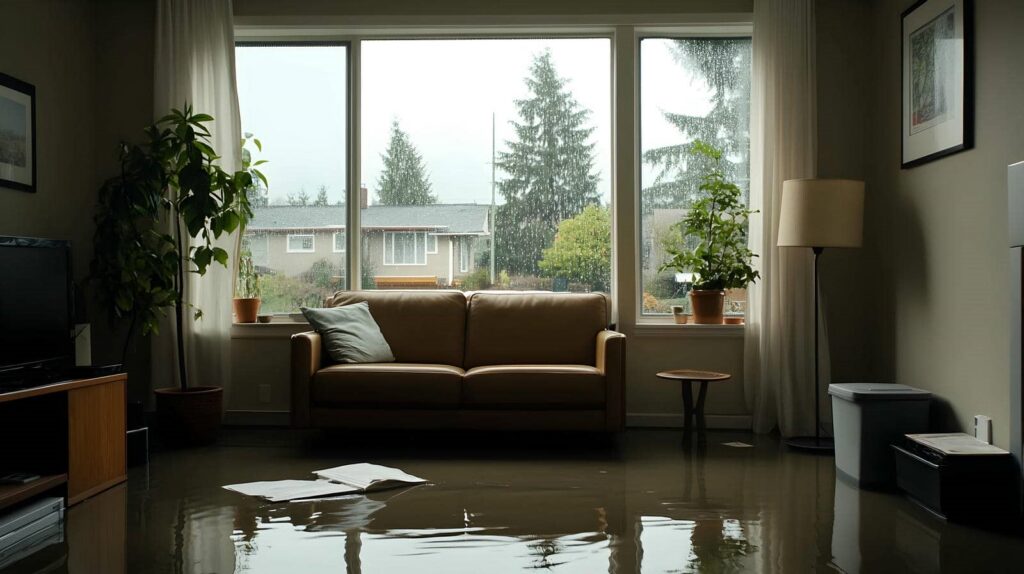
Imagine a torrential downpour, water cascading off your roof and pooling around your foundation, threatening to seep inside. To protect your home from such residential water damage, you need to implement effective strategies. Regular roof inspections, proper gutter maintenance, and smart landscaping can make all the difference. But there are other critical steps you might not have considered yet. Let’s explore these strategies to safeguard your home against water-related issues.
Key Takeaways
- Conduct regular roof inspections and maintenance to catch issues early and prevent water damage.
- Clean and repair gutters at least twice a year to ensure proper water flow away from the foundation.
- Install sump pumps and effective drainage systems to manage excess water around the home.
- Seal windows and doors to prevent moisture from entering and causing damage.
- Implement smart landscaping techniques to direct water away from the foundation and reduce runoff.
Regular Roof Inspections and Maintenance
Regular roof inspections and maintenance are essential for preventing water damage in your home. To keep your roof in top condition, consider the materials used—different types, like asphalt shingles or metal, require varying care. Aim for inspections at least twice a year, ideally in spring and fall, to catch small issues before they escalate.
During these inspections, look for signs of wear, such as missing shingles or rust on metal roofing. Addressing problems early can save you from costly repairs down the line. If you live in a region prone to severe weather, you might want to increase your inspection frequency to quarterly.
Don’t forget to document your findings; this helps you track maintenance and can be valuable for future homeowners.
Proper Gutter Cleaning and Repair
Although it might seem like a minor task, proper gutter cleaning and repair are essential in preventing water damage to your home. Clogged or damaged gutters can lead to water overflowing and pooling around your foundation, causing serious issues.
To keep your gutters in top shape, follow these gutter maintenance tips: clear debris like leaves and twigs at least twice a year, ideally in spring and fall. Use a seasonal cleaning checklist to ensure you don’t miss any steps, such as checking for rust or leaks.
If you spot any issues, don’t hesitate to make repairs—small cracks can quickly turn into big problems. Remember, well-maintained gutters protect your home and enhance its curb appeal.
Installing Sump Pumps and Drainage Systems
Maintaining your gutters is just one part of a thorough water damage prevention strategy.
Another critical step is the installation of sump pumps and effective drainage systems. A sump pump installation helps collect and remove excess water from your basement or crawl space, preventing flooding and mold growth. Choose a reliable pump with a backup power source to ensure it operates during heavy storms.
In addition to sump pumps, investing in smart drainage system design is essential. Properly designed drainage directs water away from your home’s foundation, reducing the risk of water pooling and damage.
Confirm downspouts extend at least six feet from your home, and consider adding French drains if you frequently experience water issues.
Sealing Windows and Doors
To effectively prevent water damage, sealing your windows and doors is essential, as even the smallest gaps can allow moisture to seep in.
Start with window weatherproofing by inspecting the seals around your windows. If you notice cracks or gaps, replace the weatherstripping or caulk them to create a tight seal. This simple step can save you from costly repairs down the line.
Next, pay attention to your door thresholds. Confirm they fit snugly against the door frame and are free from wear and tear. If you find any issues, replace the threshold or add a door sweep to block potential water entry.
Regularly checking these areas during seasonal changes is a smart move. By taking these proactive measures, you’ll not only protect your home but also create a comfortable living space for you and your loved ones.
Don’t wait for leaks; act now to confirm your home stays dry!
Checking Plumbing for Leaks
How often do you think about the condition of your plumbing? Regularly checking for leaks can save you a lot of headaches and money down the line.
Start with simple pipe inspections in areas prone to moisture, like under sinks and behind appliances. Look for signs of water stains or dampness, which can indicate hidden leaks.
Utilizing leak detection tools can also be beneficial. These devices help identify issues that mightn’t be visible to the naked eye. If you spot a leak, don’t delay in addressing it; even minor drips can lead to significant water damage over time.
Additionally, consider scheduling professional inspections annually. Experts can spot potential problems early, ensuring your plumbing remains in top shape.
Landscaping for Water Diversion
After confirming your plumbing is free of leaks, it’s time to contemplate how your landscaping can help prevent water damage around your home.
Smart landscaping can direct water away from your foundation and protect your property. Here are three effective strategies:
- Soil Grading: Confirm your yard slopes away from your home. A grade of at least 6 inches over 10 feet can keep water from pooling near your foundation.
- Drainage Techniques: Consider installing French drains or dry wells to manage excess water. These systems can effectively redirect water away from vulnerable areas.
- Strategic Planting: Use native plants that thrive in your region. They typically require less water and can help absorb rainfall, reducing runoff.
Frequently Asked Questions
How Often Should I Inspect My Roof for Damage?
You should inspect your roof at least twice a year. Use an inspection checklist to check for missing shingles, leaks, or debris. Regular roof maintenance helps you avoid costly repairs and keeps your home safe and sound.
What Are the Signs of a Failing Sump Pump?
If your sump pump’s making strange noises, cycling frequently, or you notice water levels rising despite its operation, it’s time for sump pump maintenance. Regular checks can save you from costly water damage down the line.
Can Heavy Rain Still Cause Damage With Proper Drainage?
Yes, heavy rain can still cause damage even with proper drainage. For instance, if your drainage systems are clogged, rainwater management fails, leading to flooding in your basement. Regular maintenance is essential to prevent this.
How Do I Choose the Right Landscaping Plants for Water Diversion?
Choose drainage plants that thrive in your region, focusing on native species. They’ll adapt better, require less maintenance, and help divert water naturally. Research local options to create a resilient, beautiful landscape that fits your community.
What Should I Do if I Find a Plumbing Leak?
First, find the leak’s source. Fixing faulty fixtures fast fosters safety. Report it to professionals for precise plumbing repairs. Don’t delay; prompt leak detection prevents further damage and protects your home’s integrity and comfort.
Summary
By taking these proactive steps to safeguard your home, you’re not just avoiding future headaches; you’re nurturing a sanctuary that stands strong against nature’s whims. Regularly inspecting your roof, keeping gutters clear, and ensuring your plumbing is leak-free are all part of a loving routine. With a bit of effort in landscaping and sealing windows, you’ll create a fortress that gracefully diverts water away, protecting your haven from the silent ravages of moisture.
Recent Posts
Essential Guide to Flood Damage Restoration Practices
Flood Damage Restoration begins with a fast, organized response to minimize structural damage and protect
Top 10 Flood Damage Restoration Best Practices
Damage Restoration starts with a fast, organized response to minimize property damage and prevent long-term
7 Essential Tips for Flood Damage Restoration
Flood Damage Restoration should begin as soon as it is safe to enter the property,