
Contents
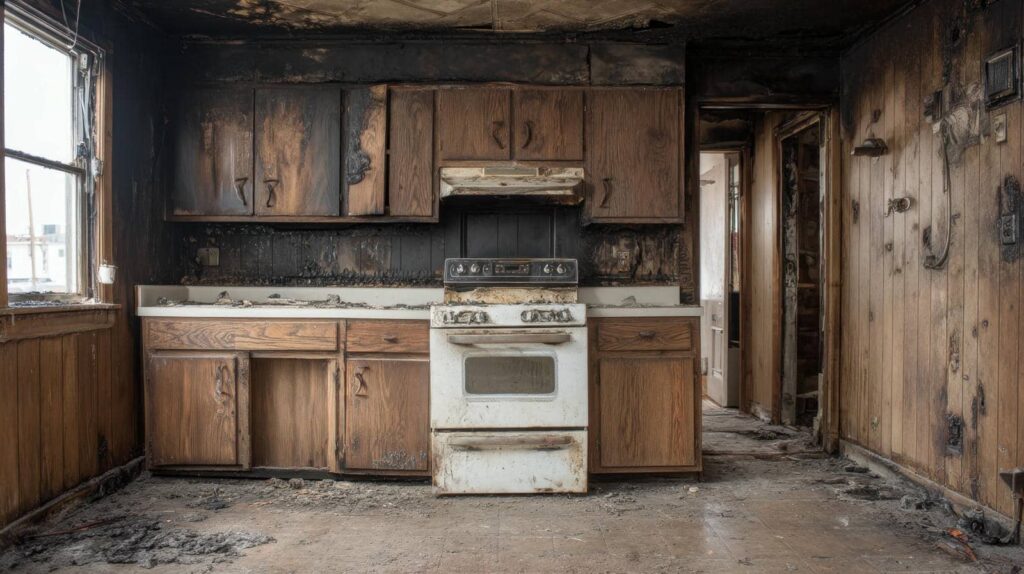
After a fire damage, dealing with soot can feel overwhelming. It’s essential to approach the cleanup methodically to avoid further damage. Start by ensuring your safety with proper gear, assessing the damage, and gathering the necessary tools. Each step, from vacuuming to cleaning surfaces, requires precision. Understanding these techniques restores your home and prevents future issues. To effectively tackle the challenges that follow, you’ll need to know the right methods and products to use.
Key Takeaways
- Wear protective gear, including a respirator, gloves, and goggles, to ensure safety during the cleanup process.
- Use a HEPA vacuum to effectively capture fine soot particles from surfaces and fabrics.
- Clean walls with a dry soot sponge, then apply a mild detergent for tougher stains.
- Deodorize affected areas with activated charcoal or baking soda to absorb lingering odors.
- Regularly inspect and maintain high-risk areas to prevent future soot accumulation.
Understanding Soot and Its Impact on Your Home
When a fire occurs, understanding the nature of soot is essential, as it can greatly affect your home’s structure and air quality. Soot is primarily composed of carbon particles, along with various chemicals and compounds released during combustion. This complex soot composition can settle on surfaces, permeate fabrics, and remain in the air, posing significant risks.
The health effects of soot are alarming; inhaling these particles can lead to respiratory issues, skin irritations, and even long-term health complications.
If you’re part of a community that values safety and well-being, recognizing how soot can infiltrate your living space is imperative.
To protect your home and loved ones, you need to be aware of these dangers and address the soot promptly. Understanding its composition and potential health effects empowers you to take effective action, ensuring a cleaner, safer environment for everyone.
Safety Precautions Before Starting Cleanup
Before diving into the cleanup process, it’s essential to prioritize your safety to minimize exposure to harmful soot particles. Start by donning appropriate protective gear. This includes a respirator with a HEPA filter to prevent inhalation of toxic particles, goggles to protect your eyes from irritants, and gloves to shield your skin from residue.
Next, assess the area for potential fire hazards. Check for smoldering materials and structural damage that could cause further risks. Ensure proper ventilation by opening windows and using fans to circulate air, which helps disperse soot and smoke odors.
Keep a fire extinguisher nearby, just in case a flare-up occurs during cleanup.
Essential Tools and Supplies for Soot Removal
With safety measures in place, you can now focus on gathering the right tools and supplies for effective soot removal. Having a solid supply checklist ensures you’re well-prepared.
Here are some essential tool recommendations:
HEPA Vacuum: This powerful vacuum captures fine soot particles, preventing them from being released back into the air.
Soot Sponge: Designed specifically for dry cleaning, soot sponges effectively lift soot from surfaces without smearing it.
Chemical Cleaners: Invest in a few smoke and soot-specific cleaners to tackle stubborn residues on various materials.
Gathering these tools streamlines your cleanup process and creates a sense of community among those who’ve faced similar challenges.
Initial Assessment of Fire Damage
Start by conducting a thorough visual inspection of the affected areas to identify the extent of the fire damage.
Look for charred materials, discoloration, and structural integrity issues, as these will guide your cleanup approach.
Additionally, determine the type of soot present, as this will influence the cleaning methods and products you’ll need to use.
Visual Damage Inspection
Conducting a thorough visual damage inspection is essential in evaluating the extent of fire damage to your property.
This visual damage assessment allows you to identify soot stain locations and the broader impact on your space.
Follow these steps to ensure a detailed inspection:
Examine Surfaces: Check walls, ceilings, and floors for soot stains, noting color and texture variations.
Assess Structural Integrity: Look for signs of warping, charring, or other structural compromises that may require professional evaluation.
Document Findings: Take detailed notes and photos of all affected areas to aid in the cleanup and potential insurance claims.
Soot Type Identification
Identifying the type of soot present after a fire is essential for effective cleanup and restoration.
Begin with soot composition analysis, which helps determine the chemical makeup of the soot. Use a white cloth to dab at affected surfaces; the color and texture can reveal important clues. For instance, black, greasy soot often indicates incomplete combustion from synthetic materials, while lighter, powdery soot may come from natural items like wood.
Next, focus on soot source identification. Look for burn patterns and the materials involved in the fire; this knowledge aids in selecting appropriate cleaning agents.
Dry Soot Removal Techniques
Although dealing with soot can be intimidating, employing effective dry soot removal techniques can greatly simplify the cleanup process. To tackle dry soot effectively, follow these steps:
- Vacuum Techniques: Use a high-efficiency particulate air (HEPA) vacuum to remove loose soot particles.
Make sure to use a brush attachment to gently lift soot from surfaces without damaging them.
- Dry Cleaning Sponges: Invest in dry cleaning sponges, which are designed to absorb soot.
Lightly rub the sponge on affected surfaces, allowing it to capture the soot without spreading it further.
- Dusting and Brushing: For textured surfaces, use a soft-bristle brush to dislodge soot.
Work from the top down to prevent resettling in cleaned areas.
Wet Soot Cleanup Methods
When tackling wet soot cleanup, it’s crucial to act quickly to prevent further damage to your surfaces.
Start by gathering your supplies: a bucket, mild detergent, sponges, and clean water. For effective wet cleaning, mix the detergent with warm water according to the product instructions.
Begin at the top of the affected area and work your way down, using a sponge to gently scrub the soot. Rinse the sponge frequently to avoid spreading soot around.
If the soot is stubborn, let the solution sit for a few minutes before wiping it away.
Always follow best practices by testing your cleaning solution on a small, inconspicuous area first to verify it won’t damage the surface.
After cleaning, thoroughly rinse the area with clean water to remove any detergent residue.
Finally, allow the surfaces to dry completely to prevent mold growth.
Cleaning Different Surfaces: Walls, Ceilings, and Floors
While each surface in your home requires specific attention during soot cleanup, understanding the best techniques for walls, ceilings, and floors is essential for effective restoration.
Different surface materials demand tailored cleaning techniques to ensure thorough removal of soot.
Walls: Start by dry wiping with a microfiber cloth. For stubborn stains, use a mixture of water and a mild detergent, applying it with a sponge.
Ceilings: Use a vacuum cleaner with a brush attachment to gently remove soot. If needed, follow up with a damp cloth and a non-toxic cleaner.
Floors: For hard surfaces, sweep or vacuum first. Then, mop with a solution of warm water and vinegar for additional cleaning.
Deodorizing Your Home After Soot Cleanup
To effectively deodorize your home after soot cleanup, it’s crucial to tackle lingering odors that can permeate various materials.
Start by identifying areas where odors are strongest, such as carpets, upholstery, and drapes. Use odor absorbers like activated charcoal or baking soda to draw out these smells. Sprinkle baking soda generously on carpets and let it sit for several hours before vacuuming.
Next, consider using scent neutralizers to eliminate odors trapped in hard surfaces. Wipe down walls and furniture with a mixture of vinegar and water; this solution effectively neutralizes unwanted scents.
For fabrics, a fabric refresher spray can help; confirm it’s safe for the materials.
Finally, improve ventilation by opening windows and using fans to circulate fresh air. This process helps in dispersing odors and promotes a sense of belonging, as your home returns to a comfortable, welcoming environment.
Preventing Future Soot Accumulation
To prevent future soot accumulation, establish a regular cleaning schedule that targets high-risk areas like vents and chimneys.
Incorporating proper ventilation practices, such as using exhaust fans and opening windows, can greatly reduce soot buildup.
Regular Cleaning Schedule
Establishing a regular cleaning schedule is essential for preventing future soot accumulation, especially in areas prone to fire damage.
By committing to a cleaning frequency, you can effectively maintain your space and reduce soot buildup.
Here are some maintenance tips to reflect upon:
Weekly Dusting: Use a damp cloth to capture soot particles on surfaces, preventing them from settling.
Monthly Deep Cleaning: Schedule a thorough cleaning of high-risk areas, like kitchens and fireplaces, using specialized soot removal products.
Quarterly Inspections: Regularly check your home for signs of soot or smoke residue, addressing any issues promptly.
Proper Ventilation Practices
How can proper ventilation practices considerably reduce soot accumulation in your home? Implementing effective ventilation techniques is essential for maintaining clean air and preventing soot build-up.
Begin by regularly opening windows to promote natural air circulation; this helps disperse any lingering particles. Use exhaust fans in kitchens and bathrooms to draw out moisture and pollutants, which can trap soot.
Additionally, consider installing air purifiers equipped with HEPA filters that capture fine soot particles, ensuring cleaner air. Regularly change HVAC filters to maintain ideal airflow and reduce soot recirculation.
When to Seek Professional Help
While you might feel tempted to tackle soot cleanup on your own, certain situations warrant professional assistance to ensure thorough remediation and safety. Ignoring these can lead to long-term issues and health risks.
Consider seeking a professional assessment for fire restoration if you encounter:
Extensive Damage: If soot covers large areas or penetrates walls, it’s essential to have experts handle it to prevent structural issues.
Hazardous Materials: If the fire involved chemicals or hazardous substances, professionals have the training and equipment to deal with these safely.
Health Concerns: If you or your family members have respiratory issues, a professional can make certain that all soot and particulates are effectively removed, safeguarding your health.
In these cases, relying on experts ensures a thorough cleanup and provides peace of mind during recovery.
Prioritize your safety and that of your loved ones by knowing when to call in the pros.
Frequently Asked Questions
How Long Does It Take to Remove Soot Completely?
Soot removal timelines vary considerably, typically taking a few hours to several days. Factors affecting cleanup include the soot’s extent, surface type, and cleaning methods used. Each situation’s unique characteristics determine the overall duration.
Can I Use Regular Household Cleaners for Soot Removal?
You can use some household cleaners for soot removal, but make certain they’re suitable for the surfaces. Avoid abrasive products and test in an inconspicuous area first to prevent further damage or discoloration.
Is It Safe to Stay in the House During Cleanup?
It’s not safe to stay in the house during cleanup. Fire safety and air quality can be compromised by soot particles. Ensure proper ventilation and wear protective gear to minimize health risks while you work.
What Are the Health Risks of Soot Exposure?
Soot exposure can lead to respiratory issues, skin irritation, and long-term effects like chronic bronchitis. Its composition includes harmful chemicals, so you should prioritize safety by using protective gear during cleanup to minimize health risks.
How Can I Prevent Soot From Returning After Cleanup?
To prevent soot from returning, implement preventive measures like sealing surfaces with appropriate coatings. Curiously, studies show that 70% of soot reappears without proper cleaning. Long-term solutions involve regular maintenance and air purification systems for lasting protection.
Recap
Effectively tackling soot cleanup can greatly improve your home’s air quality and aesthetics. By following proper safety precautions and using the right techniques, you can minimize health risks and restore your space.
Recent Posts
7 Best Practices for Sewage Cleanup Safety
Sewage Cleanup requires a careful, step-by-step approach to protect your health and prevent further contamination.
10 Best Guidelines for Water Damage Cleanup
Water can race across a floor like a silent spill, slipping into walls and seams
Biohazard Cleanup Guidelines for Water Damage Restoration
When you face water damage, you need to decide whether it’s a simple loss or