
Contents
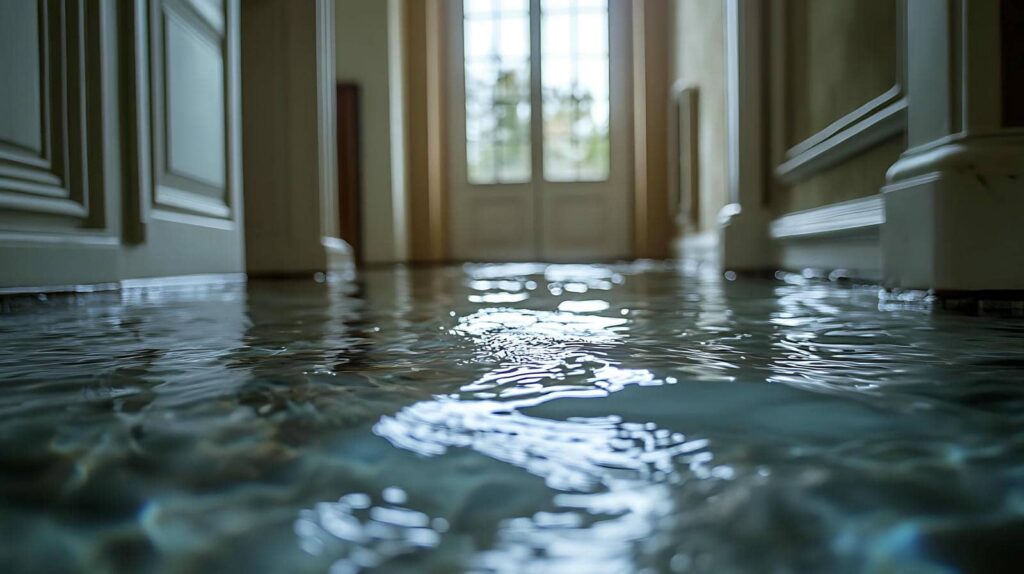
Evaluating residential water damage is vital for any homeowner. It allows you to pinpoint the extent of harm and identify underlying issues that could escalate if ignored. By understanding the types of water damage and their sources, you can assess structural integrity and safety effectively. Furthermore, this evaluation plays a significant role in documenting damage for insurance claims. However, the implications of neglecting these evaluations could be far-reaching, impacting both your property and health.
Key Takeaways
- Assessing residential water damage helps identify the source, preventing further issues and minimizing future repair costs.
- Accurate assessments ensure the safety and structural integrity of the home, protecting inhabitants from potential hazards.
- Documentation of water damage is crucial for insurance claims, facilitating faster and more effective processing.
- Timely identification of damage allows for quicker restoration, reducing the risk of mold growth and health hazards.
- Regular assessments contribute to proactive maintenance strategies, ensuring long-term prevention of water damage issues.
Understanding the Types of Water Damage
When you encounter water damage in a residential setting, it’s essential to understand the various types that can occur, as each requires a distinct approach for assessment and remediation.
Water damage types are typically classified based on specific criteria, including the source and the extent of the damage. The most common classification criteria include clean water, grey water, and black water.
Clean water originates from leaks or condensation, posing minimal health risks. Grey water, which comes from sources like dishwashers or washing machines, can contain contaminants and requires careful handling.
Black water, often resulting from sewage backups, poses significant health hazards and necessitates professional intervention.
Identifying the Sources of Water Intrusion
To effectively identify the sources of water intrusion, you need to recognize common water sources such as roof leaks, plumbing failures, and groundwater seepage.
Employing systematic inspection techniques will allow you to pinpoint the exact entry points of moisture in your home.
Common Water Sources
Identifying the sources of water intrusion is essential for effective damage assessment and prevention. Common water sources include heavy rainfall, which can lead to flooding risks, especially in low-lying areas.
Additionally, plumbing failures, such as burst pipes or leaking fixtures, can introduce significant amounts of water into your home. Roof leaks from damaged shingles or improper drainage systems also contribute to moisture issues.
If you’ve got a basement, consider the potential for groundwater seepage, which can exacerbate existing problems. Understanding these sources not only helps you address current issues but also empowers you to implement preventative measures.
Taking these steps fosters a sense of community and shared responsibility in maintaining a safe, dry living environment for everyone.
Inspection Techniques Explained
Effective inspection techniques are vital for pinpointing sources of water intrusion in residential properties.
To start, moisture mapping helps you visualize the extent of moisture within walls and ceilings, revealing hidden issues. By using infrared thermography, you can identify temperature differences that indicate water presence.
Additionally, water testing is essential; it determines whether the source is clean or contaminated, guiding your remediation efforts. Check vulnerable areas like windows, pipes, and roofs for signs of leaks.
Always document your findings, as this data is invaluable for future reference. By employing these methods, you guarantee a thorough assessment, helping you and your community address water damage effectively and protect your home from further deterioration.
Assessing Structural Integrity and Safety
When evaluating structural integrity and safety after water damage, you must identify hidden damage that may compromise the building’s framework.
Evaluate load-bearing elements to guarantee they remain stable and intact, as their failure can lead to significant hazards.
Finally, confirm that the property is safe for occupancy before allowing anyone to return, prioritizing health and safety throughout the assessment process.
Identifying Hidden Damage
While evaluating water damage, recognizing hidden issues is essential for ensuring structural integrity and safety. Hidden leaks can often go unnoticed, leading to significant long-term problems.
Utilizing moisture mapping techniques allows you to identify areas of concern before they escalate.
Here are key aspects to reflect on:
- Inspect walls and ceilings for discoloration or peeling paint.
- Check for musty odors, indicating potential mold growth.
- Use thermal imaging to detect temperature differences that signal hidden moisture.
- Assess flooring for warping or buckling, which may reveal underlying water damage.
Evaluating Load-Bearing Elements
Evaluating the load-bearing elements of your home is necessary, especially after experiencing water damage, since compromised structural integrity can lead to severe safety hazards.
You need to conduct a thorough structural analysis to assess how water intrusion has affected load distribution throughout your home. Look for signs of sagging beams, cracked supports, or warped walls, as these may indicate that the load-bearing elements are no longer functioning properly.
Consider enlisting a professional to guarantee an accurate assessment, as they can identify weaknesses you might overlook. Addressing any deficiencies promptly is essential to maintaining safety and preserving your home’s value.
Ensuring Safe Occupancy
Guaranteeing safe occupancy in a home affected by water damage hinges on a thorough assessment of structural integrity and safety.
By addressing these critical factors, you safeguard occupant health and help maintain property value.
Here are key considerations:
Inspect load-bearing walls**** for any signs of warping or damage.
Check the foundation**** for cracks or settling that could indicate serious issues.
Evaluate the roof for leaks or structural compromise that may lead to further damage.
Assess electrical systems**** to prevent hazards that could endanger residents.
Conducting a detailed evaluation not only guarantees the safety of occupants but also protects your investment in the property, allowing you to make informed decisions moving forward.
Evaluating Affected Materials and Contents
As you assess the extent of water damage in a residential setting, it’s crucial to identify and evaluate the affected materials and contents methodically.
Start with a thorough material assessment. Examine structural components like drywall, flooring, and insulation. Look for signs of warping, discoloration, or crumbling, which can indicate significant damage that requires replacement.
Next, perform a content evaluation. Consider personal belongings, furniture, and appliances within the affected area. Determine what can be salvaged and what needs disposal, taking into account the potential for mold growth on porous materials.
Document your findings meticulously, as this will aid in insurance claims and restoration efforts.
Detecting Hidden Moisture and Mold Growth
How can you effectively uncover hidden moisture and mold growth that often lurks behind walls or under floors?
Accurate moisture detection is essential to prevent long-term damage and guarantee a safe living environment. Here are some methods to help you identify these hidden issues:
Moisture Meters: Use these devices to measure the moisture content in various materials, pinpointing problem areas.
Thermal Imaging Cameras: Detect temperature differences that may indicate moisture presence behind surfaces.
Visual Inspections: Regularly check for water stains, discoloration, or a musty odor, as these can signal mold growth.
Air Quality Testing: Conduct tests to identify airborne mold spores, helping to confirm hidden infestations that require mold remediation.
Documenting Damage for Insurance Claims
When you experience water damage, documenting the extent of the destruction is vital for filing an effective insurance claim. Start by taking clear, detailed photographs of all affected areas, including walls, floors, and personal belongings. Note the date and time of the damage, as this information is important for insurance documentation.
Create a detailed inventory of damaged items, including their value and condition prior to the incident. Additionally, gather any relevant reports from professionals, such as mold assessments or structural evaluations, to strengthen your case.
Keeping a log of communications with your insurance provider can also streamline claim processes. Remember, thorough documentation not only helps in substantiating your claim but also demonstrates your diligence in addressing the situation.
Prioritizing Restoration and Repair Efforts
Although immediate action is essential after water damage, prioritizing restoration and repair efforts effectively can greatly mitigate further issues.
Understanding your restoration timeline and repair priorities helps streamline the process and guarantees critical tasks are completed first. Here’s how to prioritize:
Identify the source: Address the root cause of the water damage to prevent future occurrences.
Assess structural integrity: Confirm your home is safe to inhabit; compromised structures need immediate attention.
Focus on critical systems: Repair electrical and plumbing systems to restore functionality and reduce hazards.
Mitigate mold growth: Quickly dry affected areas to minimize health risks and further damage.
Implementing Preventative Measures for the Future
To effectively prevent future water damage, it’s essential to implement a proactive maintenance strategy tailored to your home’s specific needs.
Start by regularly inspecting your roof, gutters, and downspouts, ensuring they’re clear of debris and functioning properly. This simple preventative maintenance can greatly reduce the risk of leaks.
Next, consider installing a sump pump in areas prone to flooding. This device acts as a crucial safeguard, efficiently removing excess water.
Also, check your plumbing for leaks and wear; even minor issues can escalate into major problems if left unchecked.
Lastly, invest in water detection systems that alert you to leaks before they cause extensive damage.
Frequently Asked Questions
How Long Does It Take for Water Damage to Become Severe?
Water damage can escalate within 24 to 48 hours, showing severity indicators like mold growth and structural weakening. Understanding this water damage timeline helps you act promptly, minimizing long-term impacts on your home and health.
Can I Assess Water Damage Myself, or Should I Hire a Professional?
You can assess minor water damage yourself, like inspecting a small leak, but for extensive issues, a professional evaluation’s essential. Their expertise guarantees you avoid hidden problems that could worsen, safeguarding your home’s integrity.
What Are the Health Risks Associated With Water Damage?
Water damage can lead to mold exposure, which greatly increases your risk of respiratory issues. Prolonged exposure can cause chronic coughing, asthma, and other serious health problems, making it essential to address any water damage promptly.
How Can I Prevent Future Water Damage in My Home?
Think of your home as a fortress. To prevent future water damage, implement waterproofing techniques and schedule regular plumbing inspections. These proactive measures fortify your defenses, ensuring a dry, safe environment for you and your family.
What Should I Do Immediately After Discovering Water Damage?
Immediately contact your insurance provider to report the damage and initiate emergency response. Document everything with photos and notes, as this information’s essential for your insurance claims. Act quickly to minimize further damage and guarantee your home’s safety.
Recap
Evaluating residential water damage isn’t just about fixing what’s visible; it’s about safeguarding your home’s future. By understanding the types of damage, identifying sources, and documenting everything for insurance, you’re not just addressing the problem you’re fortifying your sanctuary against unseen threats. After all, a stitch in time saves nine; proactive measures today can prevent costly repairs tomorrow, ensuring your home remains a safe haven for you and your loved ones.
Recent Posts
What Are Key Dehumidification Techniques for Smoke Damage?
Smoke damage isn’t just about the charred surfaces; it often leaves behind considerable moisture that
Why Use Dehumidification for Smoke Damage Cleanup?
Smoke damage can linger long after the flames are extinguished, leaving behind residues that are
Top 3 Tips for Structural Drying After Water Damage
When faced with water damage, effective structural drying is vital to prevent further issues like