
Contents
Mold can start growing within just 24 to 48 hours after water damage occurs, often unnoticed until it becomes a serious problem. This rapid development poses significant health risks and can lead to costly repairs if ignored. Understanding the importance of addressing mold quickly is essential to maintaining a safe living environment. What steps should you take to effectively manage this issue and protect your home?
Key Takeaways
- Mold can start growing within 24 to 48 hours after water damage, making immediate action crucial for prevention.
- Ignoring water intrusion increases health risks, including allergic reactions and respiratory issues for occupants.
- Prolonged neglect of mold can lead to extensive property damage and costly repairs.
- Timely intervention enhances indoor air quality and reduces the likelihood of recurrent mold outbreaks.
- Addressing mold after water damage helps maintain property value and ensures a healthier living environment.
Understanding the Risks of Mold Growth
When water damage occurs, it’s essential to understand the risks of mold growth, as mold can develop within 24 to 48 hours in damp environments.
Mold ecology thrives in areas with excessive moisture, which means effective moisture control is your first line of defense. If you don’t address the source of water intrusion, you’re creating an ideal habitat for mold spores to flourish.
Not only can mold deteriorate your property, but it can also pose health risks to you and your loved ones. Familiarizing yourself with the conditions that promote mold growth helps you take proactive measures.
This includes maintaining low humidity levels and ensuring proper ventilation. By prioritizing moisture control, you safeguard your environment and foster a sense of belonging in a safe, healthy space.
Identifying Signs of Mold After Water Damage
After water damage, it’s essential to identify signs of mold to prevent further issues.
Look for visual indicators like dark spots on walls or ceilings, and pay attention to any musty odors that may signal hidden growth.
Recognizing these signs early can help you address the problem before it escalates.
Visual Indicators of Mold
Mold can quickly become a hidden menace in spaces affected by water damage, and identifying its visual indicators is crucial for effective remediation.
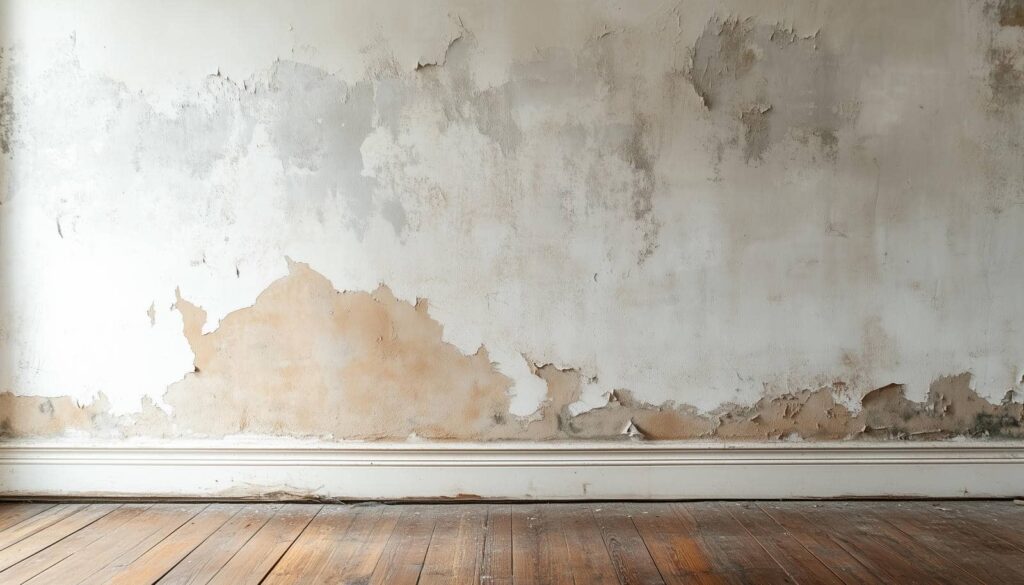
Start by looking for discoloration on walls, ceilings, and floors, which often manifests as black, green, or white patches. This mold color identification can help you determine the type of mold present.
Pay attention to areas near moisture sources, such as leaky pipes or damp corners, as these are prime locations for mold growth.
Additionally, look for warping or bubbling in materials, which signals underlying moisture issues.
Musty Odors Detection
Identifying musty odors in your home can be a strong indicator of hidden mold growth following water damage.
These unpleasant smells often originate from musty odor sources like damp carpets, hidden leaks, or poorly ventilated areas.
To effectively detect these odors, utilize a combination of odor detection methods, such as sniff tests and moisture meters.
Walk through each room, paying close attention to areas that feel damp or are prone to moisture accumulation.
If you notice persistent musty smells, it’s essential to investigate further, as this could signal mold development.
Addressing these odors promptly enhances your home’s atmosphere and promotes a healthier living environment for you and your loved ones.
Don’t ignore the signs; act decisively.
The Importance of Quick Response
When water damage occurs, responding quickly is essential to preventing mold growth and minimizing long-term damage. Mold can begin to develop within 24 to 48 hours after water exposure, so your quick action is critical. By taking timely intervention steps, like removing standing water and drying out affected areas, you greatly reduce the likelihood of mold taking hold.
Ignoring water damage can lead to structural issues and costly repairs down the line. You don’t just protect your property; you also safeguard your community’s well-being. A rapid response fosters a sense of belonging, as everyone benefits from a healthy environment.
It’s important to assess the extent of the damage and take action immediately. If you’re unsure how to proceed, don’t hesitate to contact professionals who specialize in water mitigation and mold remediation.
Your proactive measures today can ensure a safer, healthier space for you and those around you.
Health Implications Associated With Mold
Mold exposure can trigger allergic reactions and a range of respiratory issues, impacting your overall health.
If you’re sensitive to mold, you might experience symptoms like sneezing, coughing, or difficulty breathing.
Understanding these health risks is essential for taking appropriate action after water damage occurs.
Allergic Reactions and Symptoms
Exposure to mold can trigger a range of allergic reactions in many individuals, with symptoms varying from mild to severe. Common allergy triggers include mold spores, which can lead to sneezing, itching, and nasal congestion.
Some people may experience more intense reactions, such as skin rashes or headaches. If you’re sensitive to mold, addressing the issue promptly is essential for your well-being. Ignoring it can prolong your symptoms and hinder your daily life.
To seek symptom relief, you might consider using air purifiers, keeping your environment dry, and seeking professional help for mold remediation. By taking these steps, you protect your health and create a safer, more comfortable living space for you and your loved ones.
Respiratory Issues and Risks
Respiratory complications often arise as a direct consequence of mold exposure, particularly for individuals with pre-existing health conditions like asthma or chronic obstructive pulmonary disease (COPD).
If you’re exposed to mold, you may experience various respiratory health issues, which can worsen over time. Here are some key risks to take into account:
- Increased asthma attacks
- Worsening of COPD symptoms
- Shortness of breath
- Chronic cough
Even if you don’t have pre-existing conditions, mold exposure can still lead to significant respiratory problems.
Addressing mold promptly isn’t just about aesthetics; it’s essential for safeguarding your respiratory health and overall well-being.
Don’t underestimate the importance of a clean, mold-free environment for you and your loved ones.
Methods for Effective Mold Removal
When you discover mold following water damage, it’s crucial to act quickly and effectively to mitigate health risks and property damage.
Start by identifying the affected areas and evaluating the extent of the mold growth. Use mold removal techniques such as scrubbing surfaces with a mixture of water and detergent, or a solution of vinegar and baking soda, for effective cleaning.
For larger infestations, consider using a commercial mold remover or hiring professionals experienced in mold remediation. Make certain you’re wearing protective gear like gloves and a mask to prevent inhaling spores.
After cleaning, dry the area thoroughly to discourage future growth. If the mold has penetrated porous materials like drywall or carpeting, you may need to replace these items entirely.
Preventing Future Mold Growth
To effectively prevent future mold growth, it’s vital to control moisture levels in your home.
Implementing effective mold prevention strategies can safeguard your living space. Here are four essential moisture control methods you should consider:
Fix leaks promptly: Address any plumbing or roof leaks immediately to prevent water accumulation.
Use dehumidifiers: In humid areas, using dehumidifiers can help reduce excess moisture in the air.
Improve ventilation: Ensure proper airflow in your home, particularly in high-moisture areas like bathrooms and kitchens, by using exhaust fans.
Insulate: Properly insulate your home to prevent condensation on cold surfaces, which can lead to mold growth.
Professional Mold Remediation Services
While you may attempt to tackle mold issues on your own, hiring professional mold remediation services often proves to be the most effective solution.
These experts conduct a thorough mold assessment, identifying affected areas and understanding the extent of the problem. Their knowledge ensures that no hidden spores remain, which is vital for your home’s health.
Professional services utilize advanced remediation techniques, including containment strategies and specialized equipment, to remove mold safely and efficiently.
They also take steps to address the underlying causes of moisture, preventing future outbreaks.
By entrusting this task to specialists, you secure a more effective outcome and gain peace of mind, knowing that your home is in capable hands.
This sense of security fosters a sense of belonging, as you create a healthier living environment for yourself and your loved ones.
Don’t underestimate the value of professional help in managing mold issues.
DIY Mold Treatment Techniques
Although professional help is often recommended for serious mold issues, DIY mold treatment techniques can be effective for smaller infestations. By using homemade solutions, you can tackle mold growth efficiently and confidently.
Here are four effective techniques to evaluate:
Vinegar: Spray undiluted white vinegar directly onto the mold. Let it sit for an hour before wiping it away.
Baking Soda: Mix a quarter of a tablespoon with water in a spray bottle. Spray the area, scrub, and rinse.
Hydrogen Peroxide: Use a 3% hydrogen peroxide solution, applying it to the affected area. Allow it to sit for 10 minutes before scrubbing.
Tea Tree Oil: Combine tea tree oil with water in a spray bottle. Spray the mixture on the mold and leave it to dry naturally.
These techniques can help you reclaim your space and ensure a healthier living environment.
Long-Term Maintenance and Monitoring Strategies
After successfully addressing mold with DIY techniques, maintaining a mold-free environment becomes essential for long-term health and safety.
Implementing effective mold monitoring and maintenance strategies is key. Start by routinely checking high-risk areas like bathrooms, basements, and around windows for signs of moisture or mold growth.
Investing in a hygrometer can help you monitor humidity levels; ideally, keep them below 60%. Regularly clean and inspect HVAC systems to prevent mold spores from circulating.
Consider using mold-resistant paints and materials during renovations to create a more resilient environment.
Additionally, schedule professional inspections at least once a year to identify potential issues before they escalate.
Frequently Asked Questions
How Quickly Can Mold Start to Grow After Water Damage?
Mold growth can begin within 24 to 48 hours after water exposure. If you don’t address the moisture quickly, you’re increasing the risk of mold spreading, which can lead to more significant issues later on.
Can Mold Grow in Hidden Areas After Water Damage?
Absolutely, hidden mold can thrive in moist, unnoticed nooks. Moisture sources, like leaky pipes or damp walls, create perfect conditions. It’s essential to inspect every corner to prevent potential health hazards and extensive damage.
Is It Safe to Stay in a Home With Mold?
It’s not safe to stay in a home with mold, as it can cause health issues. Prioritize mold prevention strategies and remediation to protect your well-being and create a healthier living environment for everyone.
What Are the Costs Associated With Mold Remediation?
Mold remediation costs can feel like a storm cloud overhead, ranging from $500 to $6,000, depending on severity. Check your insurance coverage; it might help lighten that financial burden. Stay proactive to protect your home.
How Can I Tell if Mold Is Completely Removed?
To determine if the mold’s completely removed, conduct thorough mold testing and perform a visual inspection. Look for discoloration or musty odors. If you find none, you’ve likely eliminated the mold. Stay proactive in monitoring your space.
Review
Addressing mold after water damage isn’t just about aesthetics—it’s essential for your health and home. By identifying mold early and employing effective removal strategies, you can safeguard your indoor air quality and protect your property. Don’t underestimate the risks; proactive measures can save you from costly repairs and health issues down the line.
Recent Posts
What to Do After Sewage Backup and Mold?
After a sewage backup and mold incident, it’s vital to act quickly and methodically. Your
10 Steps to Treat Mold Post Water Damage
Water damage can transform a space into a breeding ground for mold, yet prompt action
10 Tips for Mold Treatment After Water Damage
Many people underestimate the rapidity at which mold can develop after water damage, often within