
Contents
Water damage can transform a space into a breeding ground for mold, yet prompt action can prevent extensive growth. It’s vital you assess the damage and identify affected areas quickly. Ignoring these steps can lead to serious health risks and structural issues. Understanding the precise methods to combat mold is essential for effective remediation. What follows are ten systematic steps that can help you navigate this complex process efficiently.
Key Takeaways
- Conduct a thorough water damage assessment to identify affected areas and potential mold growth sources.
- Wear appropriate PPE and ensure proper ventilation to minimize exposure to harmful mold spores.
- Remove affected materials like drywall and insulation, sealing them in plastic bags for safety.
- Use dehumidifiers and hygrometers to maintain humidity levels between 30%-60% to prevent mold recurrence.
- Schedule regular inspections to monitor for mold growth and engage professionals for extensive issues.
Assess the Extent of Water Damage
Before tackling mold remediation, it’s essential to assess the extent of water damage in your space. Start with a thorough water damage assessment to identify affected areas. Look for visible signs like discoloration or warping in walls, ceilings, and floors.
Pay close attention to hidden spots, such as behind appliances or under carpets, where moisture may linger unnoticed.
Next, conduct a damage severity evaluation. Determine how long the water has been present, as this directly impacts mold growth potential. Use moisture meters to gauge levels in materials, helping you pinpoint areas that need immediate attention.
Document your findings, as this will guide your remediation plan and help you communicate effectively with professionals if needed.
Ensure Safety Precautions
Before you tackle mold remediation, you need to prioritize safety precautions.
Wearing appropriate personal protective equipment (PPE) is essential to minimize health risks, while ensuring proper ventilation and airflow can help reduce airborne spores.
Personal Protective Equipment
When tackling mold removal, using the right personal protective equipment (PPE) is imperative to ensure your safety.
Wearing protective gear, such as gloves, goggles, and respirators, minimizes your exposure to harmful mold spores. These items are essential components of effective safety protocols.
For instance, gloves protect your skin from irritants, while goggles shield your eyes from airborne particles. A well-fitting respirator filters out mold spores and prevents inhalation of potentially toxic substances.
It’s important to choose PPE that meets industry standards to provide maximum protection. By prioritizing these safety measures, you safeguard yourself and foster a sense of community responsibility, encouraging others to follow suit in mold remediation efforts.
Ventilation and Airflow
To effectively manage mold removal, ensuring proper ventilation and airflow is essential, as it helps minimize the concentration of airborne spores and reduces the risk of inhalation.
Start by opening windows and doors to promote air circulation, which aids in drying out damp areas. Using fans can further enhance airflow, pushing moist air outside and bringing in drier air.
Consider employing dehumidifiers to assist with moisture control, as they lower humidity levels that foster mold growth.
It’s crucial to monitor the environment regularly; stagnant air can lead to increased mold proliferation.
Identify Mold Growth Areas
To effectively combat mold, you need to identify its growth areas within your space.
Common locations include damp basements, bathrooms, and around windows where moisture accumulates.
Utilize visual inspection techniques to assess these areas for any signs of mold, as early detection is essential for effective treatment.
Common Mold Locations
Mold can thrive in various locations around your home, often in places you mightn’t expect. Common indoor areas for mold growth include bathrooms, kitchens, and basements, where moisture often accumulates.
Pay special attention to hidden spots like behind appliances or under sinks. Additionally, outdoor moisture sources, such as leaking gutters or poorly drained yards, can contribute to mold infiltrating your home’s foundation and walls.
These areas create the perfect environment for mold spores to settle and grow, especially in humid conditions. By identifying these locations early, you can take proactive steps to mitigate mold risk and protect your living space.
Visual Inspection Techniques
Effective visual inspection techniques are essential for identifying potential mold growth areas within your home.
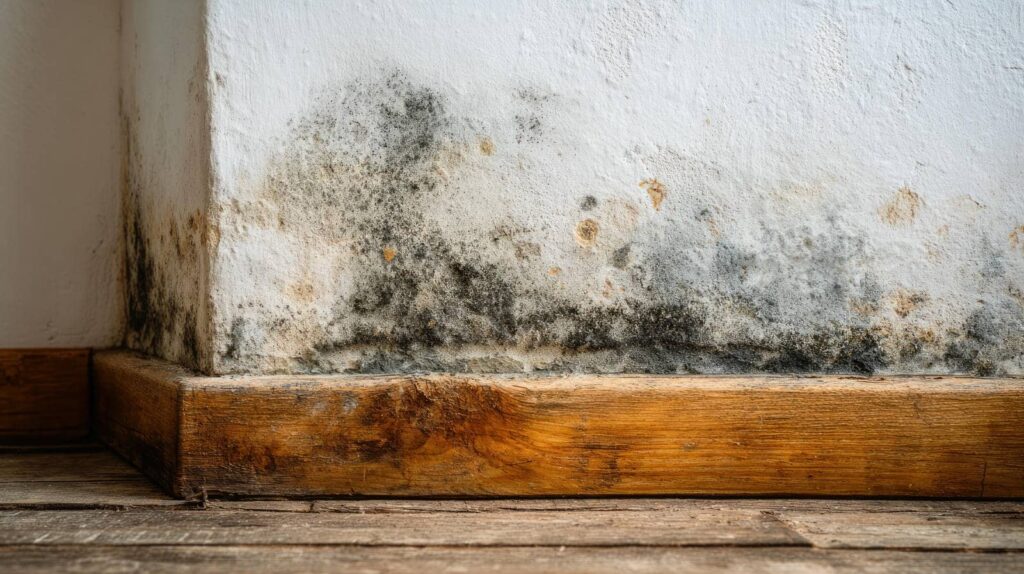
Start by using mold identification techniques that focus on high-humidity zones, such as bathrooms and basements. Look for discoloration on walls, ceilings, and around windows, as these are common indicators of moisture damage.
Utilize inspection tools like moisture meters to detect hidden dampness behind surfaces. Pay attention to areas near plumbing fixtures and leaks, as they often harbor mold.
Remove Affected Materials
Begin by identifying and removing any affected materials to halt the spread of mold. This step is essential in effective mold removal techniques. Look for items like drywall, carpeting, and insulation that have absorbed moisture. If they’re visibly contaminated or have a musty odor, it’s time for disposal.
Wear protective gear, including gloves and masks, to ensure your safety during this process.
When disposing of affected materials, seal them in plastic bags to prevent spores from escaping. Properly label and discard them according to local regulations. This careful disposal protects your environment and creates a sense of belonging within your community, as you take responsibility for your space.
After removal, make sure that the underlying surfaces are thoroughly cleaned and dried to prevent future mold growth. This proactive approach sets the stage for a healthier living environment, free from the hazards of mold.
Control Humidity Levels
To effectively combat mold growth, controlling humidity levels in your environment is essential. High humidity creates a breeding ground for mold spores, making it vital to implement effective humidity control methods.
Start by using dehumidifiers in areas prone to dampness, such as basements or bathrooms. These devices can greatly lower moisture levels, helping to inhibit mold development.
In addition to dehumidifiers, humidity monitoring tools are invaluable. Utilize hygrometers to regularly check humidity levels, ensuring they stay between 30% and 60%.
If you find levels exceeding this range, take immediate action with ventilation improvements or additional dehumidification.
Clean and Disinfect Surfaces
Cleaning and disinfecting surfaces is essential in preventing mold from re-establishing itself in your home. After water damage, you’ll want to address every affected area thoroughly.
Start by using effective cleaning solutions specifically designed for mold removal. These solutions typically contain antifungal agents that will help eliminate any lingering spores.
When cleaning, focus on porous materials like drywall and carpet, as they can retain moisture and support mold growth.
For non-porous surfaces, such as tiles and countertops, a mixture of water and vinegar or a commercial cleaner will suffice.
Make certain you scrub surfaces with a brush to dislodge any mold and then wipe them down with a clean cloth.
Use Mold Inhibitors
Applying mold inhibitors can greatly reduce the risk of mold regrowth in your home after treatment. By incorporating effective mold prevention strategies, you’re not just maintaining a clean space; you’re fostering a healthy environment for you and your loved ones.
Here are some mold inhibitors’ benefits to evaluate:
Long-lasting Protection: They create a barrier that inhibits mold spores from settling.
Cost-effective Solution: Investing in mold inhibitors can save you from costly repairs in the future.
Health Benefits: Reducing mold exposure safeguards your family’s health, minimizing respiratory issues.
Enhanced Comfort: A mold-free home isn’t just visually appealing; it also promotes overall well-being.
Implement Proper Ventilation
Since inadequate ventilation can lead to moisture buildup and mold proliferation, implementing proper ventilation is vital for maintaining a healthy indoor environment.
You should assess your current ventilation systems to ensure they function at their best. Effective airflow management helps reduce humidity levels, which is essential after water damage.
Consider using exhaust fans in areas prone to moisture, such as bathrooms and kitchens, to promote air circulation. Additionally, opening windows whenever possible allows fresh air to flow in, further combating dampness.
If necessary, upgrading to energy-efficient ventilation systems can enhance air quality and reduce energy costs, making your space more comfortable and inviting.
Regularly check and clean your vents and ducts to prevent blockages that restrict airflow.
Monitor for Recurrence
Monitoring for mold recurrence is essential to ensure the long-term effectiveness of your treatment efforts.
You’ll want to establish a regular inspection schedule, check humidity levels consistently, and conduct visual surface inspections to catch any early signs of mold growth.
Regular Inspections Schedule
Establishing a regular inspection schedule is essential for effectively monitoring mold recurrence in your home or workspace. By adhering to inspection frequency guidelines, you can harness the regular inspection benefits that keep your environment safe and welcoming.
Here are some key steps to contemplate:
- Inspect high-risk areas monthly, such as bathrooms and basements.
- Conduct seasonal inspections, especially after heavy rainfall or flooding.
- Engage professionals annually for thorough assessments.
- Document findings and improvements to track progress.
These proactive measures protect your health and foster a sense of community safety.
Regular inspections help you feel secure in your space, ensuring that everyone can enjoy a clean, mold-free environment together.
Humidity Level Checks
Maintaining ideal humidity levels is critical for preventing mold growth in any environment. You should regularly check humidity levels to ensure effective humidity control.
Aim for indoor humidity between 30% and 60%; anything higher can foster mold. Utilize reliable moisture measurement tools, like hygrometers, to track these levels consistently.
It’s essential to monitor areas prone to moisture, such as basements and bathrooms, where humidity often spikes. If you find humidity levels exceeding the recommended range, take immediate action, such as using dehumidifiers or improving ventilation.
By staying vigilant with these checks, you protect your space and cultivate a healthier living environment for everyone.
Visual Surface Inspections
Regular visual surface inspections are essential for identifying mold recurrence in your home.
By employing effective mold identification techniques and inspection tools, you can protect your space and loved ones.
Here’s how to perform thorough inspections:
Check damp areas: Look around sinks, bathrooms, and basements for signs of moisture.
Inspect walls and ceilings: Look for discoloration, peeling paint, or unusual textures.
Examine furniture and carpets: Pay attention to musty odors and any visible mold growth.
Utilize moisture meters: These tools can help you identify hidden dampness that might promote mold growth.
Seek Professional Help if Necessary
While addressing mold issues on your own can be effective, there are instances when professional help is necessary. If you’ve encountered extensive mold growth or suspect hidden mold, seeking a professional assessment is imperative.
Mold remediation experts possess the necessary tools and knowledge to identify and eliminate mold effectively, ensuring your space is safe and healthy.
In cases where health risks are elevated—such as respiratory issues or allergies—it’s essential to act promptly. Professionals can provide a thorough evaluation and tailor remediation strategies to your specific situation, minimizing the risk of recurrence.
Moreover, if the affected area exceeds a certain size—typically 10 square feet—it’s often advisable to consult with specialists. They address the visible mold and evaluate underlying moisture issues, which are fundamental to long-term prevention.
Frequently Asked Questions
How Quickly Can Mold Start Growing After Water Exposure?
Mold growth can begin within 24 to 48 hours after water exposure, depending on water duration and environmental conditions. Quick action is essential to prevent extensive damage and protect your space from further complications.
Is It Safe to Stay in the House During Mold Removal?
It’s best to find temporary shelter during mold removal to ensure your safety. Mold can compromise your home’s air quality. Prioritize mold safety; a healthy space fosters belonging and comfort for everyone.
Can I Use Bleach to Kill Mold Effectively?
You can use bleach to kill some mold types, but its effectiveness is limited. It doesn’t penetrate porous surfaces well, so consider alternatives like vinegar or specialized mold removers for a more thorough solution.
What Are the Health Risks Associated With Mold Exposure?
Mold exposure can lead to serious health risks, manifesting as mold symptoms like respiratory issues. You might experience coughing, sneezing, or even chronic illnesses, akin to the struggles faced in a tempestuous storm without shelter.
How Do I Know if I Need Professional Mold Remediation?
If you notice persistent mold growth, musty odors, or health symptoms, it’s time for a mold inspection. Professional remediation methods ensure thorough elimination, especially for extensive infestations that DIY efforts can’t effectively address.
Final Thoughts
In traversing the aftermath of water damage, addressing mold isn’t just a task—it’s a commitment to safeguarding your environment. By methodically evaluating damage, ensuring safety, and controlling humidity, you’re not merely tackling an inconvenience; you’re fostering a healthier space. As you remain vigilant against recurrence and consider professional guidance when needed, you’re transforming a challenging situation into an opportunity for resilience. Embracing these steps will ultimately lead to a more secure, mold-free home.
Recent Posts
Essential Guide to Flood Damage Restoration Practices
Flood Damage Restoration begins with a fast, organized response to minimize structural damage and protect
Top 10 Flood Damage Restoration Best Practices
Damage Restoration starts with a fast, organized response to minimize property damage and prevent long-term
7 Essential Tips for Flood Damage Restoration
Flood Damage Restoration should begin as soon as it is safe to enter the property,