
Contents
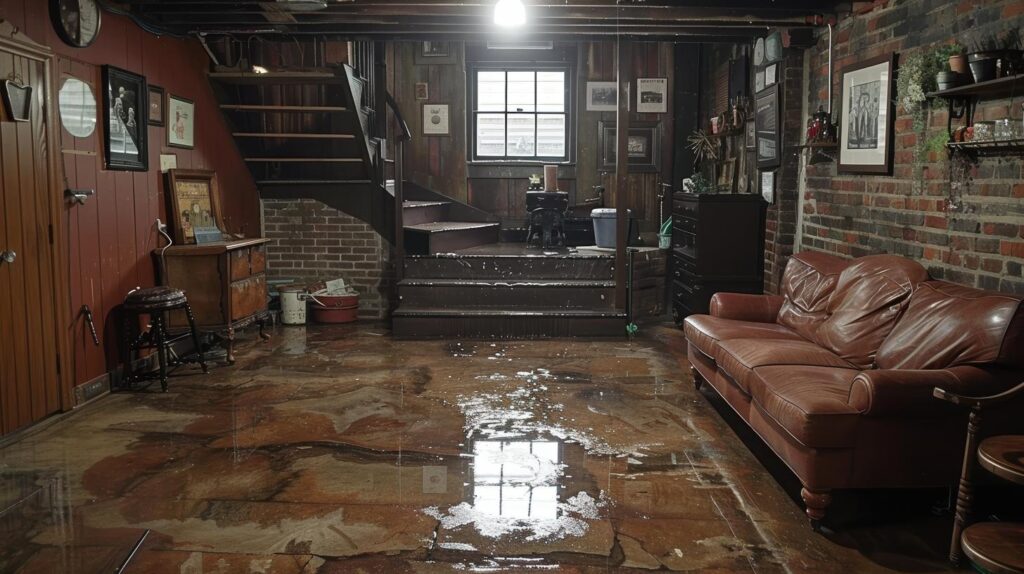
Basement flooding can feel like a catastrophe of epic proportions, but recovering from it doesn’t have to be overwhelming. You need to approach the situation methodically, starting with evaluating the damage and ensuring safety. Each step you take is essential in preventing further issues and restoring your space. So, how do you begin this process effectively and efficiently? Understanding the key techniques can make all the difference in your recovery efforts.
Key Takeaways
- Survey the basement for structural hazards and electrical risks before starting recovery efforts.
- Use a submersible pump to extract standing water efficiently.
- Employ dehumidifiers and fans to control moisture and prevent mold growth.
- Clean and sanitize all surfaces to eliminate contaminants and visible mold.
- Repair structural damage promptly to restore safety and prevent future flooding issues.
Assessing the Damage and Safety Precautions
Before diving into the recovery process, it’s essential to assess the damage and confirm safety. Start by surveying the affected area thoroughly. Look for structural hazards, such as weakened walls or ceilings, and note any electrical risks.
A methodical damage assessment will help you identify not just visible issues but also potential hidden dangers.
Next, prioritize safety measures. If water levels are high, avoid entering the basement until it’s safe. Use protective gear, including gloves and boots, to shield yourself from contaminants.
Verify that all electrical sources are turned off to prevent electrocution.
Document your findings with photos and notes, as this will be invaluable for insurance claims and future reference.
Removing Water and Moisture
Typically, the first step in removing water and moisture from a flooded basement is to pump out any standing water. You’ll want to use a submersible pump for effective water extraction, ensuring you don’t miss any hidden pockets of water.
Once the bulk of the water is removed, check for damp areas that might still retain moisture. Employ dehumidifiers and fans to enhance moisture control, promoting airflow and accelerating drying.
Inspect walls, floors, and any materials that could harbor water. It’s essential to monitor humidity levels throughout this process to prevent mold growth.
If you notice persistent dampness, consider additional extraction methods, like wet vacuums or specialized equipment. Remember, the quicker you act, the better your chances of minimizing damage and ensuring a safe environment.
Cleaning and Sanitizing Affected Areas
Once you’ve removed the water, it’s vital to clean and sanitize the affected areas to prevent health hazards and further damage.
Start by wearing protective gear, as you may encounter mold and contaminants. Focus on mold remediation first; identify any visible mold growth and treat it with a specialized cleaner or a mixture of water and detergent. Be thorough, as mold can spread quickly if left unchecked.
Next, disinfecting surfaces is important. Use a mixture of water and a disinfectant that’s effective against pathogens. Pay special attention to porous materials like drywall and carpeting, as they may retain moisture and harbor mold.
After cleaning, guarantee proper ventilation in the basement to promote drying and reduce humidity.
Finally, consider using a dehumidifier to maintain a dry environment. This methodical approach not only protects your health but also helps restore your basement back to a safe, welcoming space.
Repairing Structural Damage
While evaluating the damage after a basement flood, it’s important to address any structural issues promptly to guarantee the safety and integrity of your home.
Start by conducting thorough structural inspections to identify cracks in walls, damage to beams, or issues with the foundation. Take note of any irregularities, as they can compromise foundation stability.
If you discover significant damage, it’s wise to consult a professional. They can assess the extent of the damage and recommend appropriate repairs.
For minor issues, you might consider using epoxy injections to seal cracks or reinforcing beams with steel brackets.
Always prioritize repairs that restore your home’s structural integrity.
Remember, a well-maintained foundation not only enhances safety but also increases your property’s value.
Preventing Future Flooding Issues
To effectively prevent future flooding issues in your basement, you must assess and address the root causes of water intrusion.
Start by inspecting your drainage systems; verify they’re clear and functioning properly. Clogged gutters or downspouts can direct water towards your foundation, increasing flood risk.
Next, consider installing or upgrading a sump pump. A reliable sump pump can efficiently remove excess water, especially during heavy rains, acting as a vital line of defense against flooding.
Additionally, evaluate the grading around your home. The soil should slope away from the foundation to divert water effectively.
Finally, inspect for cracks in your basement walls and seal them to prevent seepage.
Conclusion
To sum up, effective basement flood recovery isn’t just about addressing immediate damage; it’s about understanding the interconnectedness of safety, sanitation, and future prevention. By methodically evaluating and responding to each aspect, you not only restore your space but also fortify it against future threats. Coincidentally, this journey mirrors life’s unexpected challenges—each step taken today prepares you for the storms ahead. Embrace the process, and you’ll find resilience in the face of adversity.
Recent Posts
What Are Key Dehumidification Techniques for Smoke Damage?
Smoke damage isn’t just about the charred surfaces; it often leaves behind considerable moisture that
Why Use Dehumidification for Smoke Damage Cleanup?
Smoke damage can linger long after the flames are extinguished, leaving behind residues that are
Top 3 Tips for Structural Drying After Water Damage
When faced with water damage, effective structural drying is vital to prevent further issues like