
Contents
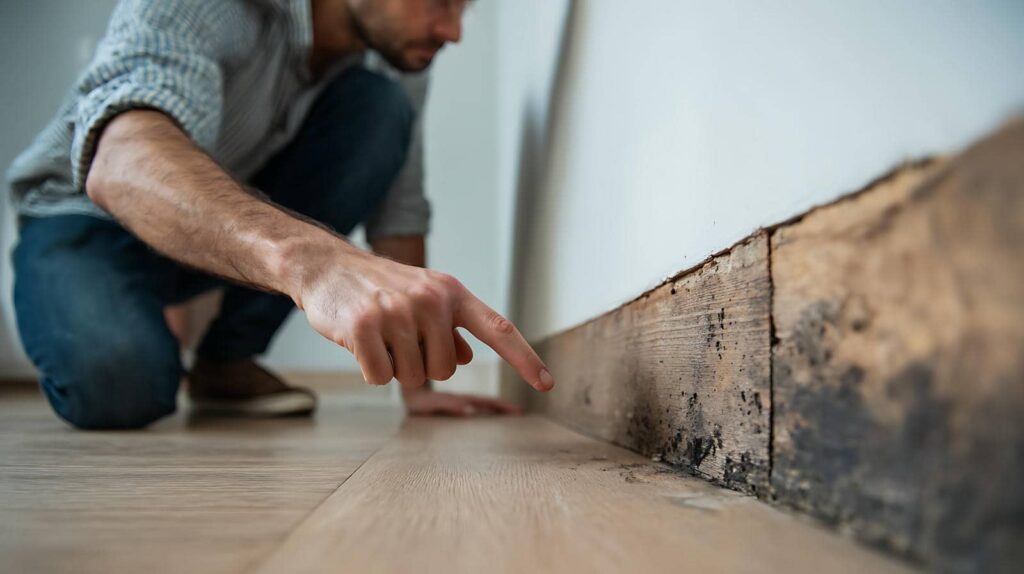
Mold can be an unwelcome guest in your home, but with the right strategies, you can keep it at bay. Understanding how mold thrives is the first step in prevention. By controlling humidity levels and ensuring proper ventilation, you can create an environment that’s less inviting for mold. But these are just the beginning. Let’s explore the essential tips that every homeowner should know to maintain a mold-free space.
Key Takeaways
- Maintain indoor humidity levels between 30% and 60% to prevent mold growth.
- Use exhaust fans in kitchens and bathrooms to reduce moisture accumulation.
- Regularly inspect for and promptly fix water leaks in plumbing and appliances.
- Invest in mold-resistant products like drywall and paint for moisture-prone areas.
- Conduct routine inspections of basements, bathrooms, and kitchens for dampness and mold signs.
Understand the Causes of Mold Growth
When you understand the causes of mold growth, you can take effective steps to prevent it in your home. Mold spores are present everywhere, but they need specific conditions to thrive. The primary culprit is moisture. Common moisture sources include leaks, high humidity, and condensation.
It’s essential to regularly inspect areas like basements, bathrooms, and kitchens, where water tends to accumulate. You can limit mold growth by addressing any water damage promptly and ensuring proper ventilation in moist areas. Check your plumbing for leaks and repair them immediately.
Additionally, consider using dehumidifiers if humidity levels rise, especially in damp environments. By being proactive and identifying these moisture sources, you can greatly reduce the likelihood of mold taking hold in your living space.
Creating a clean, dry environment protects your home and fosters a sense of comfort and belonging for you and your loved ones.
Control Indoor Humidity Levels
To effectively control indoor humidity levels, you should aim to keep them between 30% and 60%, as this range helps deter mold growth.
Start by using humidity control methods like dehumidifiers in damp areas, such as basements or bathrooms. Regularly check your home’s humidity levels with a hygrometer to verify you’re on track.
Consider using exhaust fans while cooking or showering to reduce moisture. Additionally, keeping your home well-insulated will help maintain stable humidity levels and improve indoor air quality.
If you notice any leaks, address them immediately to prevent excess moisture.
Ensure Proper Ventilation
To prevent mold growth, it’s essential to ensure proper ventilation in your home.
Use exhaust fans in areas like the kitchen and bathroom to remove moisture, and open windows regularly to promote air circulation.
Use Exhaust Fans
Although many homeowners overlook it, using exhaust fans effectively can greatly reduce moisture levels in your home and prevent mold growth.
Start by identifying the different exhaust fan types, such as ceiling, wall-mounted, and inline fans, to find the right fit for your space.
Consider placing these fans in high-moisture areas like kitchens and bathrooms, where humidity tends to accumulate.
Ensure proper exhaust fan placement to maximize airflow—ideally near the source of moisture.
When cooking or showering, run the fans to help expel humid air outside, keeping your indoor environment dry.
Regular maintenance, such as cleaning the fan blades and filters, will ensure they operate efficiently.
Open Windows Regularly
Using exhaust fans is an excellent start, but opening windows regularly can greatly enhance your home’s ventilation.
Fresh air and natural light improve indoor air quality and create a healthier environment, making your space feel more inviting.
Here are three practical tips for maximizing window usage:
Choose the Right Times: Open windows during cooler parts of the day to let in fresh air without overheating your home.
Cross-Ventilation: Open windows on opposite sides of your home to create a breeze that circulates air effectively.
Limit Pollutants: Keep windows closed on high-pollen or high-pollution days to ensure you’re bringing in clean air.
Fix Water Leaks Promptly
Fixing water leaks promptly is essential for maintaining a healthy home environment. Even small leaks can lead to significant mold growth if left unattended.
Start with regular leak detection; check pipes, faucets, and appliances for any signs of moisture. If you notice any drips or damp spots, don’t wait—address them immediately.
Investing in routine plumbing maintenance can save you from larger issues down the line. A qualified plumber can help identify hidden leaks and assess the overall health of your plumbing system.
Use Mold-Resistant Products
Investing in mold-resistant products can considerably reduce your home’s risk of mold growth. By choosing the right materials, you create a healthier living environment for you and your loved ones.
Here are three essential mold-resistant products to evaluate:
Mold Resistant Paint: This type of paint contains antimicrobial agents that inhibit mold and mildew growth, making it perfect for high-moisture areas like bathrooms and kitchens.
Mold-Resistant Drywall: Also known as green board, this drywall is designed to withstand moisture better than standard drywall, making it less prone to mold infestations.
Mold Resistant Caulk: Applying this specialized caulk around windows, doors, and sinks will help seal gaps and prevent moisture from seeping in, reducing mold’s chances of taking hold.
Regularly Clean and Maintain Your Home
To keep mold at bay, you need to establish a routine of cleaning and maintenance in your home.
Regular dusting and vacuuming help eliminate potential mold spores, while monitoring humidity levels can prevent excessive moisture buildup.
Plus, promptly inspecting for leaks ensures you address any water issues before they lead to mold growth.
Routine Dusting and Vacuuming
While you mightn’t think about it daily, routine dusting and vacuuming play an essential role in preventing mold growth in your home.
Regular cleaning helps eliminate dust accumulation, which can trap moisture and create an ideal environment for mold. To keep your space mold-free, follow these tips:
Dust surfaces weekly: Use a damp cloth to catch dust particles effectively and prevent them from floating into the air.
Vacuum carpets and upholstery: Opt for a vacuum with a HEPA filter to capture fine dust and allergens, reducing moisture retention.
Clean hard floors regularly: Sweep and mop to eliminate dust and debris, ensuring no moisture lingers.
Monitor Humidity Levels
How can you keep mold at bay in your home? Start by monitoring humidity levels regularly. Aim to maintain indoor humidity between 30% and 60%.
Use dehumidifiers in damp areas like basements or bathrooms to enhance humidity control. Be certain to check your hygrometer often; it’s an essential tool for effective moisture management.
If you notice humidity creeping up, act quickly by ventilating spaces or using exhaust fans. Also, remember that consistent airflow helps prevent moisture buildup, so keep windows open when possible and ensure vents are unobstructed.
Inspect for Leaks
One of the most effective ways to prevent mold growth is by regularly inspecting your home for leaks.
Consistent leak detection safeguards your living space and supports effective plumbing maintenance.
Here are three key areas to check:
Under Sinks: Look for water stains or dampness around pipes and cabinets.
Ceilings and Walls: Inspect for any discoloration or peeling paint, which could indicate a leak from above.
Basements and Crawl Spaces: Check for standing water or musty odors, as these can signal hidden leaks.
Monitor and Address Damp Areas
To effectively prevent mold growth, it’s essential to regularly monitor and address damp areas in your home. Start by conducting routine checks in spaces prone to moisture, like basements, bathrooms, and kitchens. Use dampness detection tools, such as a moisture meter, to pinpoint specific problem areas.
If you find damp spots, act quickly to dry them out and improve ventilation. Open windows, use fans, or consider installing vents to enhance airflow.
Regularly inspect areas around windows and doors for leaks, as these can lead to unwanted moisture build-up.
Don’t forget to clean and maintain gutters; clogged gutters can cause water to overflow and seep into your home.
By practicing diligent moisture control, you’ll create a healthier living environment and foster a sense of belonging in a safe, mold-free home.
Prioritize these efforts to keep your space comfortable and welcoming for you and your loved ones.
Invest in a Dehumidifier
Investing in a dehumidifier can greatly enhance your mold prevention efforts, especially in areas where moisture tends to accumulate. A dehumidifier helps maintain ideal humidity levels, reducing the chances of mold growth.
With various dehumidifier types available, you can choose one that fits your needs—whether it’s a portable unit for small spaces or a whole-home system for larger areas.
Here are three key considerations for effective dehumidifier use:
Select the Right Size: Verify your dehumidifier is appropriately sized for the space. A unit that’s too small won’t effectively reduce humidity.
Regular Maintenance: Clean the filter and water reservoir frequently to ensure peak performance and prevent bacterial growth.
Monitor Humidity Levels: Use a hygrometer to keep track of indoor humidity, aiming for levels between 30-60%.
Keep Gutters and Downspouts Clear
Keeping your gutters and downspouts clear is essential for preventing mold growth in your home, especially after heavy rainfall. Clogged gutters can lead to water overflow, creating moisture-rich environments that mold loves.
Regular gutter maintenance is key; aim to clean them at least twice a year, or more often if you have overhanging trees.
During your downspout cleaning, verify that water flows freely and directs away from your foundation. This simple task can save you from costly mold remediation down the line.
Inspect for blockages, and use a garden hose to flush out debris or a plumber’s snake for tougher clogs.
Conduct Routine Inspections
To keep mold at bay, you need to conduct routine inspections in your home.
Focus on high-risk areas like basements and bathrooms, check for water leaks, and monitor humidity levels regularly.
Inspect High-Risk Areas
While regular maintenance is essential for your home, inspecting high-risk areas for mold growth should be a top priority. By conducting thorough mold inspections, you can catch issues before they escalate.
Focus on the following areas during your inspections:
Basements and Crawl Spaces: These damp environments often hide moisture, making them prime spots for mold.
Bathrooms: Check around sinks, tubs, and toilets where water may accumulate and promote mold growth.
Kitchens: Pay attention to under sinks and behind appliances, where moisture detection is vital.
Regularly monitoring these areas protects your home and fosters a sense of belonging, ensuring your space remains healthy and welcoming for you and your loved ones.
Check for Water Leaks
How often do you check for water leaks in your home? Regular inspections can save you from costly water damage and mold growth.
Start by examining areas prone to leaks, like under sinks, around toilets, and near appliances. Look for wet spots, discoloration, or dampness. Don’t forget to inspect your pipes, as even a small leak can lead to significant plumbing maintenance issues over time.
Make it a habit to check your water meter periodically; a sudden increase could indicate a hidden leak. If you find anything suspicious, address it immediately.
Keeping your home dry and well-maintained not only protects your space but also fosters a sense of belonging in a healthy environment. Stay vigilant, and you’ll keep mold at bay!
Monitor Humidity Levels
After checking for water leaks, the next step in preventing mold growth is to monitor humidity levels within your home.
Effective humidity control is essential for a healthy living space. Aim for indoor humidity levels between 30% and 60%.
Here are three practical ways to stay on top of moisture analysis:
Use a Hygrometer: Invest in a hygrometer to regularly check humidity levels in different rooms.
Ventilate: Open windows or use exhaust fans in kitchens and bathrooms to reduce moisture buildup.
Dehumidify: If humidity levels are consistently high, consider using a dehumidifier to keep moisture in check.
Frequently Asked Questions
Can Mold Grow in Cold Climates?
Yes, mold can grow in cold climates if moisture levels are high. To prevent mold growth, ensure proper ventilation, reduce humidity, and fix leaks. Being proactive helps you maintain a healthier, mold-free home environment.
How Quickly Can Mold Spread in a Home?
Mold can spread within 24 to 48 hours if moisture management isn’t prioritized. Think of it like wildfire; once it finds moisture, its lifecycle accelerates, creating an inviting environment for rapid growth throughout your home.
What Health Issues Are Caused by Mold Exposure?
Mold exposure can trigger mold allergies, causing sneezing, itching, and skin irritation. It can also lead to respiratory issues like asthma and chronic cough. Staying informed helps you protect your health and environment from these dangers.
Is It Safe to Remove Mold Myself?
It’s generally not safe to remove mold yourself unless you take proper safety precautions. You might expose yourself to harmful spores. Hiring professionals ensures thorough mold removal while protecting your health and peace of mind.
How Can I Tell if Mold Is Hidden?
To detect hidden mold, check for musty odors, discoloration on walls, or damp areas. Use a moisture meter and consider professional mold detection services if you suspect extensive hidden mold. Your home deserves a safe environment.
Recap
By taking these mold prevention steps, you’re fundamentally building an umbrella over your home, shielding it from moisture and potential damage. Keeping humidity in check, ensuring proper ventilation, and using mold-resistant materials act as your protective canopy, while regular inspections and prompt repairs serve as the sturdy frame. Embrace these strategies, and you’ll create a dry, healthy environment that wards off mold while safeguarding your home and well-being for years to come.
Recent Posts
What Are Key Dehumidification Techniques for Smoke Damage?
Smoke damage isn’t just about the charred surfaces; it often leaves behind considerable moisture that
Why Use Dehumidification for Smoke Damage Cleanup?
Smoke damage can linger long after the flames are extinguished, leaving behind residues that are
Top 3 Tips for Structural Drying After Water Damage
When faced with water damage, effective structural drying is vital to prevent further issues like