
Contents
When you face water damage, when you need to file an insurance claim, and when you seek compensation, knowing the steps is essential. Start by evaluating the damage thoroughly and understanding your insurance policy. You’ll need to document everything meticulously and contact your insurance company without delay. Each step can substantially impact your claim’s outcome, and understanding the nuances can make all the difference in securing the funds you deserve. What comes next might surprise you.
Key Takeaways
- Conduct a thorough visual inspection of the damage and document findings with photographs and detailed notes.
- Review your insurance policy for coverage limits and exclusions related to water damage.
- Create a detailed inventory of damaged items, including descriptions, purchase dates, and estimated values.
- Contact your insurance company promptly, providing all necessary documentation and understanding your policy coverage.
- Follow up regularly on your claim status, documenting conversations and asking specific questions about the process.
Assess the Damage
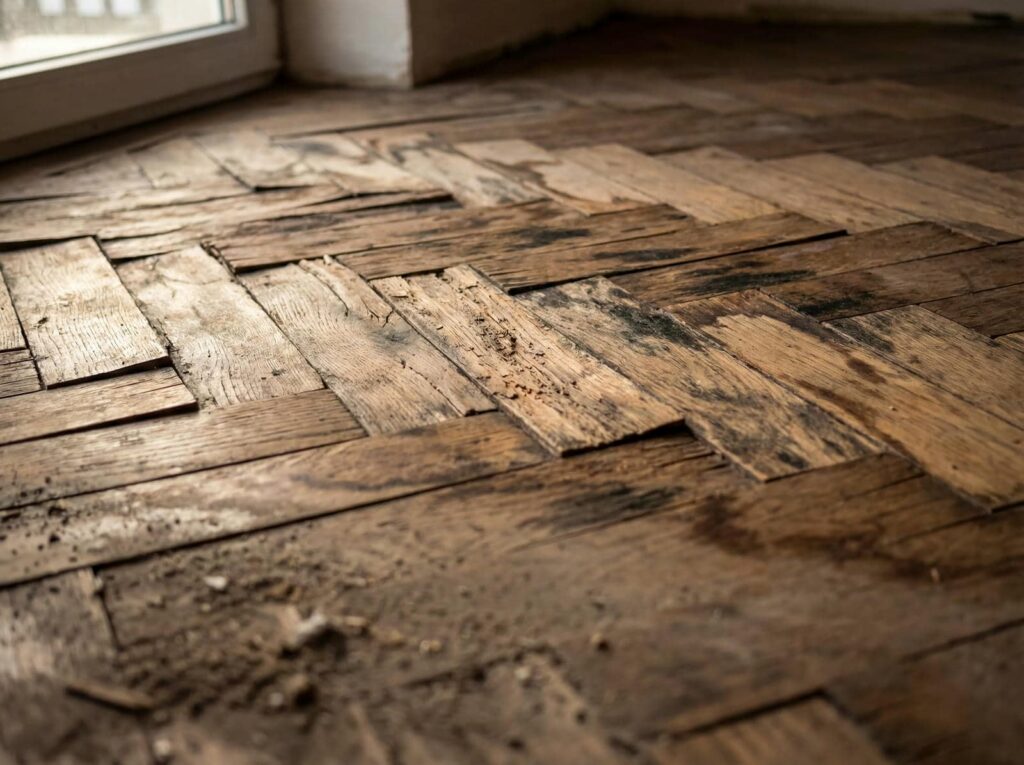
When faced with water damage, the first step is to thoroughly assess the situation. Start with a damage assessment, which involves a careful visual inspection of the affected areas. Look for visible signs like water stains, warping, or mold growth, as these indicators can help you gauge the extent of the damage.
Check walls, ceilings, floors, and any contents that may have been impacted.
It’s essential to document everything during this process. Take clear photographs and make detailed notes about your findings. Pay attention to the source of the water, whether it’s a leak, flood, or other issues, as this can be vital for your claim later.
Understanding the full scope of the damage helps establish a clear picture for insurance purposes and gives you insight into what repairs need to be made. This thorough assessment lays the groundwork for your next steps in addressing the damage effectively.
Review Your Insurance Policy
Before you proceed with filing a water damage claim, it’s essential to review your insurance policy thoroughly. Start by identifying the coverage limits to understand how much your insurer will pay for damages. This information is vital, as exceeding these limits could leave you responsible for out-of-pocket expenses.
Next, pay close attention to policy exclusions; these are specific situations or types of damage that your policy won’t cover. Common exclusions in water damage claims include flooding from outside sources or damage due to a lack of maintenance. Knowing these exclusions helps manage your expectations and guides your next steps.
If you find that your policy lacks adequate coverage, consider discussing options for additional protection with your insurance agent. By fully understanding your policy, you position yourself to navigate the claims process more effectively, ensuring that you maximize your benefits and minimize potential frustrations.
Document the Loss
Once you’ve reviewed your insurance policy, the next step is to document the loss thoroughly.
Begin by creating a detailed loss inventory. List every damaged item, including descriptions, purchase dates, and estimated values. This detailed record will be invaluable during the claims process.
Next, capture photographic evidence of the damage. Take clear, well-lit photos from multiple angles to showcase the extent of the water damage. Make sure to include images of any affected structures, personal belongings, and any necessary repairs.
Organize all documentation systematically, as it will support your claim and help convey the seriousness of your situation.
If possible, gather receipts or proof of purchase for damaged items. Your meticulous documentation strengthens your claim and fosters a sense of belonging within your community as you work with your insurance provider to resolve this distressing situation effectively.
Contact Your Insurance Company
Once you’ve documented the loss, it’s essential to contact your insurance company promptly.
Make sure you gather all necessary documentation, including photos and repair estimates, to support your claim.
Additionally, take the time to understand your policy coverage limits, as this knowledge will shape your discussions and expectations moving forward.
Gather Necessary Documentation
When dealing with water damage, gathering the necessary documentation is essential for a successful insurance claim. Start by creating a document checklist that includes photographs of the damage, receipts for repairs, and any relevant correspondence with contractors.
You’ll also want to include your policy number and any previous claims related to water damage. This organized collection of claim essentials will help streamline the process when communicating with your insurance company.
Remember, the more thorough your documentation, the smoother your claim process will be. By ensuring you have everything prepared, you simplify your experience and strengthen your position when presenting your claim.
Taking these steps fosters a sense of community as you navigate this challenging situation.
Understand Policy Coverage Limits
Understanding your policy coverage limits is essential for traversing the complexities of a water damage insurance claim, especially since these limits dictate how much financial assistance you’ll receive.
First, review your policy to grasp coverage specifics, including the maximum payout for water damage. Pay close attention to policy exclusions, as these can greatly impact your claim.
For instance, some policies may not cover damage from specific sources like floods or neglect. If you have questions, don’t hesitate to contact your insurance company for clarification.
They can provide detailed explanations of your coverage limits and any potential exclusions that may affect your situation. Being informed will empower you to navigate the claims process confidently and effectively.
Submit Your Claim
Before you submit your water damage insurance claim, gather all necessary documentation to support your case. This includes photographs of the damage, repair estimates, and any relevant receipts. Organizing these documents will streamline the claim submission process and strengthen your position.
Next, fill out the claim form provided by your insurer with accurate information. Be clear and concise, detailing the extent of the damage and how it occurred. Remember, the insurance process relies heavily on the accuracy of the information you provide.
Once you’ve completed your claim, submit it through the preferred method of your insurance company—whether online, via email, or by mail. Keep a copy of everything you send for your records.
Submitting a well-prepared claim can greatly enhance your chances of a smooth and successful resolution. Take this step seriously; it’s essential for moving forward in recovering from your water damage incident.
Follow Up on Your Claim
Following up on your claim is essential to confirm timely processing and resolution. After submitting your water damage insurance claim, it’s vital to stay engaged. Regular follow-up communication with your insurance adjuster can provide clarity on your claim status and prevent unnecessary delays.
Start by noting the date you submitted your claim and set reminders for follow-ups, ideally every week or two. When you reach out, ask specific questions about progress, required documents, or any issues that may have arisen. This proactive approach demonstrates your commitment and helps build rapport with your insurer.
Document each conversation you have, including dates, names, and key details discussed. This record can be invaluable if complications arise.
Frequently Asked Questions
How Long Does the Claims Process Usually Take?
The claims timeline typically ranges from a few days to several weeks. However, processing delays can occur due to incomplete documentation or high claim volumes, so staying proactive can help you navigate this effectively.
Will My Premiums Increase After Filing a Claim?
Yes, your premiums might increase after filing a claim, especially if claim frequency is high. Insurers often adjust premiums based on risk assessments, so it is crucial to understand how claims impact your future insurance costs.
What Types of Water Damage Are Typically Covered?
Some homeowners experience water damage each year. Typically, your policy covers flood damage from specific sources, like a pipe burst, but don’t forget to check your policy for any exclusions or limitations.
Can I File a Claim for Mold Damage?
You can file a claim for mold damage, but insurance coverage often depends on the cause. Ensure that mold prevention measures are in place to strengthen your case and enhance your protection against future claims.
What if My Insurance Company Denies My Claim?
If your claim’s denied, don’t despair! You can file a claim appeal, exploring other insurance options. Understanding the reasons for denial helps you strengthen your appeal and potentially secure the coverage you deserve.
Wrap-Up
In the end, filing a water damage insurance claim can feel like an invigorating swim—until you realize you’re treading water instead of floating. By following the steps outlined, you can transform an intimidating process into a manageable one. You might even find that the real challenge isn’t the damage itself, but maneuvering through the insurance maze. So, don’t forget to keep your documentation handy; after all, insurance companies love a good paper trail as much as you love your cozy, dry home.
Recent Posts
5 Tips for Emergency Sewage Cleanup Services
When you’re faced with a sewage emergency, knowing how to respond can make a significant
Top Residential Dehumidification Methods for Smoke Cleanup
When dealing with smoke damage in your home, understanding effective dehumidification methods is essential. High
What Are Key Dehumidification Techniques for Smoke Damage?
Smoke damage isn’t just about the charred surfaces; it often leaves behind considerable moisture that