
Contents
Fire and smoke damage can leave a home in ruins—imagine a kitchen fire with charred walls and lingering smoke odors. To restore such damage effectively, you must first assess the extent of structural and electrical harm. Safety precautions will be crucial before you begin any work. Equipped with the right tools and techniques, you can clean, repair, and ultimately revitalize the space. But where do you start, and what steps should you follow to ensure a thorough restoration?
Key Takeaways
- Conduct a thorough damage assessment to identify structural damage and smoke residue before starting restoration efforts.
- Use personal protective equipment (PPE) and ensure proper ventilation during restoration to protect against smoke inhalation.
- Utilize specialized cleaning agents and HEPA vacuums to effectively remove smoke residues from surfaces and fabrics.
- Employ dehumidifiers to reduce moisture levels and prevent mold growth after fire damage has occurred.
- Maintain fire safety equipment and regularly inspect your home to prevent future fire and smoke damage risks.
Assessing the Extent of Fire and Smoke Damage
When evaluating the extent of fire and smoke damage, it’s crucial to start by determining the affected areas of your property. Conduct a thorough damage assessment, focusing on both visible and hidden impacts.
Begin with a fire inspection, checking structural elements like walls, beams, and ceilings for charring or warping. Pay close attention to smoke residue, which can seep into porous materials.
Next, inspect electrical systems and plumbing, as they may have sustained damage or pose hazards. Don’t overlook the HVAC system; smoke can linger and spread throughout your home if not properly addressed.
Document your findings meticulously, noting the severity of damage in each area. This organized approach will guide your restoration efforts and help professionals understand the full scope of the situation.
Safety Precautions Before Starting Restoration
Before you begin the restoration process, prioritize safety precautions to protect yourself and others in the vicinity. Start with a thorough fire hazard assessment to identify potential risks, such as structural instability or lingering flames. Ascertain that the area is well-ventilated to minimize smoke inhalation.
Next, equip yourself with appropriate personal protective equipment (PPE), including gloves, masks, goggles, and fire-resistant clothing. This gear shields you from harmful substances and enhances your ability to work effectively.
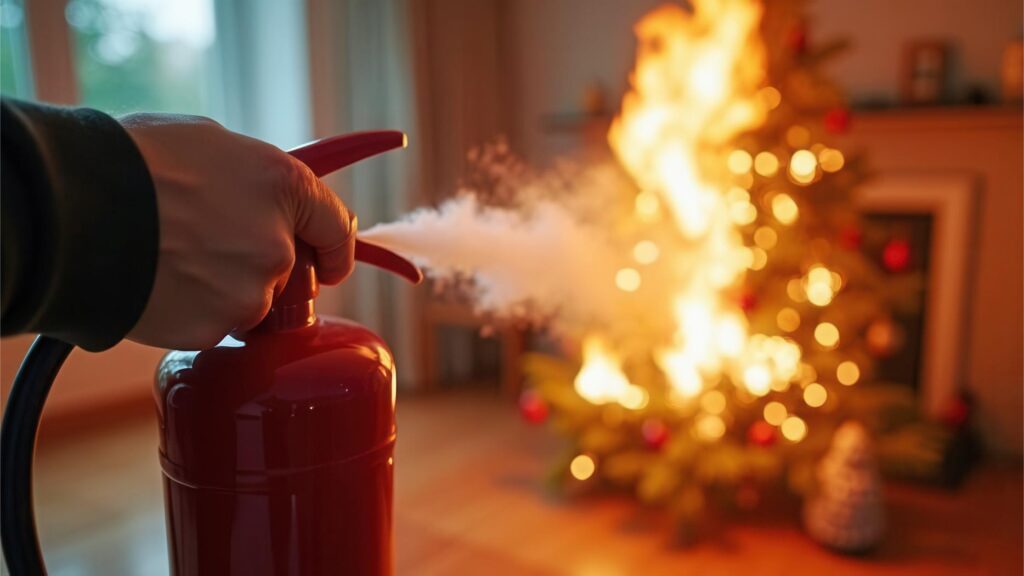
Check for potential electrical hazards by confirming the power is turned off in affected areas. Keep a fire extinguisher nearby and maintain a clear exit route in case of emergencies.
Essential Tools and Materials for Restoration
To effectively tackle fire and smoke damage restoration, you’ll need a specific set of tools and materials that ensure both efficiency and safety. Proper material selection is essential for ensuring the success of your restoration efforts.
Here’s a list of essential restoration tools you should have on hand:
- Respirator mask: Protects your lungs from harmful smoke particles.
- Heavy-duty gloves: Safeguard your hands against sharp debris and chemicals.
- Shop vacuum: Efficiently removes soot and debris from surfaces.
- Dehumidifier: Reduces moisture levels to prevent mold growth.
- Cleaning agents: Specialized solutions for breaking down smoke residues.
Equipping yourself with these restoration tools enhances your ability to perform the job safely and fosters a sense of community in sharing knowledge with others in similar situations.
Cleaning and Removing Smoke Residue
Having the right tools and materials sets the stage for effective cleaning and removal of smoke residue, which is critical after a fire incident.
Start by gathering a vacuum with a HEPA filter for efficient smoke particle removal. This will help eliminate fine particles that standard vacuums might miss.
Next, employ specialized cleaning techniques. For walls and ceilings, use a sponge and a solution of water mixed with a mild detergent or vinegar. Gently scrub to lift off the residue without damaging surfaces.
For fabrics, consider using an enzymatic cleaner designed to break down smoke odors. Avoid using bleach, as it can worsen the situation.
Remember to work from the top down, preventing dirt from falling onto already cleaned areas.
Structural Repairs and Reconstruction
Once you’ve tackled the smoke residue, it’s crucial to assess the structural damage caused by the fire.
Evaluating the structural integrity of your property helps you determine how to proceed with repairs effectively.
Begin by inspecting load-bearing walls, beams, and the foundation for any signs of compromise.
Implement the following repair techniques as needed:
- Reinforce weakened structures with steel or wood supports.
- Replace damaged drywall and insulation to restore fire barriers.
- Repair or install new roofing to ensure protection from the elements.
- Check electrical and plumbing systems for any fire-related damage.
- Use proper sealing techniques to protect against future issues.
Odor Removal Techniques
To effectively eliminate persistent odors from fire and smoke damage, you’ll want to evaluate both chemical odor neutralizers and natural odor absorbers.
Chemical neutralizers work by chemically altering odor molecules, while natural absorbers, like activated charcoal or baking soda, trap and eliminate odors without harsh chemicals.
Understanding the strengths and applications of each method will help you choose the best approach for your restoration project.
Chemical Odor Neutralizers
As you tackle the aftermath of fire and smoke damage, employing chemical odor neutralizers can effectively eliminate persistent odors that linger in your space.
These products work through chemical absorption and odor masking, targeting the root of the problem.
To maximize their effectiveness, consider the following:
- Choose neutralizers designed specifically for smoke odors.
- Apply them in well-ventilated areas to enhance evaporation.
- Allow sufficient dwell time for the chemicals to work effectively.
- Combine with thorough cleaning to remove soot and residue.
- Follow the manufacturer’s instructions for safe usage and application rates.
Natural Odor Absorbers
How can you effectively combat lingering smoke odors using natural methods?
Start by utilizing baking soda, a powerful odor absorber. Sprinkle it generously on affected surfaces and let it sit for at least 24 hours. This allows it to neutralize odors effectively.
For a more robust solution, consider activated charcoal. Place bowls of activated charcoal in rooms where the odors persist. Its porous nature absorbs smoke particles, considerably reducing the smell over time. Remember to replace the charcoal every few weeks for best results.
Combining these two natural methods creates a thorough approach to odor removal, fostering a cleaner, fresher environment in your space. Embrace these techniques, and reclaim your home from smoke odors naturally.
Preventing Future Fire and Smoke Damage
To prevent future fire and smoke damage, you need to prioritize the maintenance of fire safety equipment, such as smoke detectors and fire extinguishers.
Regular home inspections are essential for identifying potential hazards and ensuring your property remains safe.
Fire Safety Equipment Maintenance
Regular maintenance of fire safety equipment is essential for effective prevention of future fire and smoke damage.
By confirming your equipment is in top shape, you can safeguard your home and loved ones.
Here’s what you should focus on:
Fire extinguisher maintenance: Check pressure gauges monthly and replace extinguishers every 5-10 years.
Smoke detector testing: Test alarms monthly and replace batteries at least once a year.
Fire blanket inspection: Verify it’s easily accessible and free from damage.
Sprinkler system checks: Inspect for leaks and verify proper functionality annually.
Escape plan drills: Conduct regular family drills to familiarize everyone with exit routes.
Taking these steps protects your property and fosters a sense of community and responsibility.
Regular Home Inspections
While it may seem tedious, conducting regular home inspections is essential for identifying potential fire hazards before they escalate into serious issues.
Understanding home inspection importance can’t be overstated; it’s your proactive approach to safeguarding your family and property. Start by performing routine evaluations of electrical systems, ensuring wiring is intact and appliances function safely.
Check for flammable materials near heat sources, and inspect smoke detectors to confirm they’re operational. Don’t overlook ventilation systems; accumulated dust can pose a risk.
Create a checklist to streamline this process, making it easier to spot concerns. By prioritizing these inspections, you foster a secure environment, cultivating peace of mind that your home is a safe haven for you and your loved ones.
Wrap-Up
In the aftermath of a fire, think of your space as a phoenix rising from the ashes. By systematically evaluating damage, prioritizing safety, and employing the right tools, you can breathe new life into your home. Each step, from cleaning soot to reinforcing structures, is like weaving a strong tapestry that restores and protects. With diligent care and preventive measures, you ensure your phoenix remains resilient, ready to face any future challenge that may arise.
Recent Posts
What Are Key Dehumidification Techniques for Smoke Damage?
Smoke damage isn’t just about the charred surfaces; it often leaves behind considerable moisture that
Why Use Dehumidification for Smoke Damage Cleanup?
Smoke damage can linger long after the flames are extinguished, leaving behind residues that are
Top 3 Tips for Structural Drying After Water Damage
When faced with water damage, effective structural drying is vital to prevent further issues like