
Contents
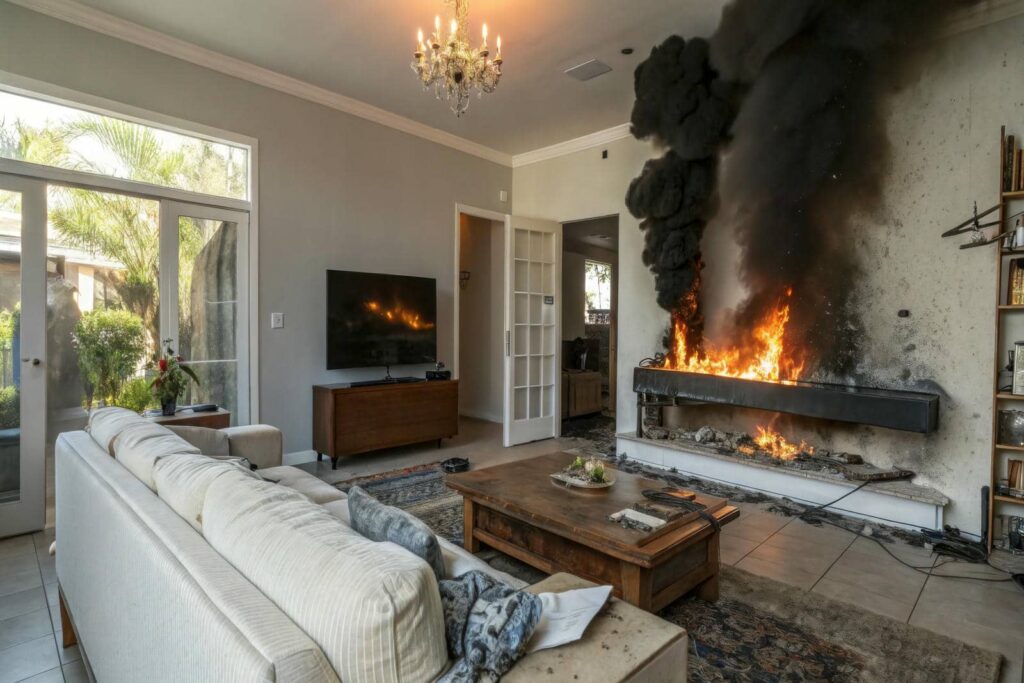
When a fire strikes, your immediate focus should be on restoring safety and security. Ignoring fire damage can lead to serious health risks from lingering smoke and soot, not to mention the threat of hidden embers reigniting. A swift response is essential to prevent further destruction and protect your property value. Understanding the intricacies of fire damage restoration can greatly influence your recovery process. Are you aware of the critical steps that follow such a devastating event?
Key Takeaways
- Quick response to fire damage minimizes extensive destruction from water, smoke, and soot, protecting your home and belongings.
- Addressing health hazards from smoke and soot prevents long-term respiratory issues and ensures the well-being of all occupants.
- A detailed assessment of damage allows for effective restoration that preserves property value and structural integrity.
- Documenting damages facilitates smoother insurance claims and ensures you receive the coverage you’re entitled to.
- Prioritizing safety through evacuation and professional help reduces risks of hidden dangers like embers reigniting, safeguarding lives.
The Immediate Risks of Fire Damage
When a fire strikes, the immediate risks of fire damage extend far beyond the visible flames and smoke; they can pose serious threats to your health and safety.
The rapid fire spread can compromise structural integrity, making your home unsafe to enter. Toxic smoke and gases can linger, affecting air quality and leading to respiratory problems.
It’s essential to recognize that property loss isn’t just about physical belongings; it can also diminish your sense of security and belonging.
Even after the flames are extinguished, hidden dangers like embers can reignite, causing further damage. You might feel overwhelmed, but understanding these risks empowers you to act.
Prioritizing safety, whether by evacuating or seeking professional help, is critical. Taking these threats seriously ensures that you protect your property and your well-being and that of your loved ones.
The Importance of Quick Response
Although you may feel paralyzed by the aftermath of a fire, responding quickly is essential to minimizing damage and ensuring safety. A rapid response can greatly impact the restoration process, leading to more favorable outcomes.
Here’s why you should prioritize swift action:
Damage Control: The longer you wait, the more extensive the damage becomes. Water, smoke, and soot can cause secondary issues that aren’t immediately visible.
Safety Assurance: Quick action helps identify and eliminate potential hazards, ensuring that your environment is safe for you and your loved ones.
Emergency Planning: Having a plan in place for a swift response can streamline the restoration process, allowing you to focus on recovery rather than chaos.
In moments of crisis, your proactive measures can make all the difference. Embrace the urgency and take the necessary steps to safeguard your home and well-being.
Health Hazards Associated With Smoke and Soot
Even after a fire is extinguished, the lingering presence of smoke and soot poses serious health hazards that shouldn’t be underestimated. Smoke inhalation can lead to long-term respiratory issues, irritating your lungs and airways. You mightn’t notice the effects immediately, but they can manifest as a chronic cough or even asthma-like symptoms.
Soot, on the other hand, is more than just a visible residue; it contains harmful particles that can penetrate your skin and enter your bloodstream, potentially causing systemic health issues.
Effective soot removal is vital to minimizing these risks. It’s not enough to just clean surfaces; you need to ensure your entire environment is safe. Breathing in those toxic remnants can affect you and your loved ones as well.
Prioritizing the removal of smoke and soot is essential for restoring your property, as well as your well-being and peace of mind.
Preserving Property Value and Integrity
While you may focus on the immediate aftermath of a fire, preserving your property’s value and integrity should be a top priority. A swift and thorough response can greatly impact your property assessment and ensure value preservation.
Here are three essential steps to take:
Conduct a Detailed Assessment: Engage professionals who can identify structural damage and recommend necessary repairs.
Implement Restoration Protocols: Address water damage, smoke, and soot promptly. This minimizes long-term deterioration and helps maintain aesthetic appeal.
Document Everything: Keep detailed records of damages and repairs. This aids in future assessments and strengthens your position if you need to negotiate with potential buyers later.
Taking these steps isn’t just about fixing what’s broken; it’s about safeguarding your investment and ensuring your property remains a cherished part of your life.
Your home deserves the best care during this challenging time.
Insurance Claims and Coverage Considerations
Steering through the complexities of insurance claims after a fire can feel overwhelming, especially when you’re already dealing with the emotional toll of the disaster. Understanding your coverage limits is essential for managing the claims process effectively. You’ll need to document damages thoroughly and communicate with your insurance adjuster to ensure you receive the support you deserve.
| Coverage Aspect | Details |
|---|---|
| Policy Type | Homeowners, Renters, Commercial |
| Coverage Limits | Varies by policy; check specifics |
| Deductibles | Amount you pay before insurance |
| Claim Timeline | Typically 30-90 days for processing |
Professional Expertise in Restoration Efforts
When facing the aftermath of a fire, you need experts who understand the complexities of restoration.
They bring specialized training and skills, utilizing advanced techniques to address damage effectively while adhering to safety and compliance standards.
Trusting professionals means you’re ensuring a thorough and safe recovery process for your property.
Specialized Training and Skills
To effectively tackle fire damage restoration, professionals rely on specialized training and skills that equip them to address the unique challenges posed by such disasters. This expertise ensures that your restoration process is thorough and effective, giving you peace of mind during a challenging time.
Key components of their training include:
Firefighter Training: Understanding fire dynamics helps in evaluating damage and preventing further risks.
Restoration Certifications: Formal credentials ensure they’re knowledgeable about the latest techniques and safety protocols.
Hands-on Experience: Practical training in real-world scenarios enhances their ability to make quick, informed decisions.
With this specialized training, you can trust that your restoration team is fully prepared to help you navigate the aftermath of fire damage compassionately and effectively.
Advanced Restoration Techniques
With the right training and skills, restoration professionals are equipped to implement advanced techniques that greatly enhance the recovery process after fire damage.
They utilize thermal imaging to identify hidden hotspots and assess the extent of the damage, ensuring no area is overlooked. This technology allows them to pinpoint where heat has accumulated, allowing for targeted interventions.
Additionally, moisture detection tools are essential in identifying lingering water issues that could lead to mold growth. By addressing these hidden threats, restoration professionals restore your property and safeguard your health and well-being.
Their expertise fosters a sense of security, as you know you’re in capable hands, working toward restoring your home and your peace of mind.
Safety and Compliance Standards
As you navigate the aftermath of fire damage, understanding safety and compliance standards becomes essential to ensuring a thorough and responsible restoration process.
Adhering to fire safety and compliance regulations protects your property and the well-being of everyone involved. Here are three key areas to focus on:
Assessment Protocols: Ensure trained professionals evaluate structural integrity and air quality, identifying hazards like smoke or toxic residues.
Restoration Techniques: Use approved methods and materials that align with industry standards to restore your space safely.
Documentation: Keep detailed records of compliance efforts, inspections, and repairs, safeguarding you against potential liabilities.
Wrap-Up
In the aftermath of a fire, you face a choice: delay restoration and risk further damage or act swiftly to reclaim your home. The contrast between a chaotic environment and a restored sanctuary is stark. By prioritizing emergency fire damage restoration, you protect your health and property and preserve the memories tied to your space. Choosing prompt action fosters peace of mind, transforming a crisis into a path toward recovery and renewed stability for you and your loved ones.
Recent Posts
Top Sewage Cleanup Tips for Homeowners
When you face a sewage backup, your immediate response can greatly impact the outcome. Understanding
7 Best Emergency Sewage Cleanup Methods for Homeowners
When disaster strikes, much like Odysseus steering through treacherous waters, you’ll need a solid strategy
Essential Tips for Sewage and Smoke Cleanup
When faced with the aftermath of a disaster, like a scene from a gritty film,