
Contents
You might think damage repair is overwhelming, but with the right approach, it can be manageable. Start by evaluating the situation to understand what you’re up against. Knowing the extent of the damage is vital before you take any action. From there, safety precautions and the right tools can make all the difference. Curious about the essential steps you should take next? Let’s explore the process together.
Key Takeaways
- Conduct a thorough assessment to identify visible and hidden signs of damage before starting repairs.
- Prioritize safety by wearing protective gear and identifying hazards in the affected area.
- Use essential tools like moisture meters and wet/dry vacuums to effectively manage water damage.
- Implement drying techniques, including ventilation and dehumidifiers, to prevent mold growth and further damage.
- Regular maintenance and inspections can prevent future damage and save on costly repairs.
Assessing the Extent of Water Damage
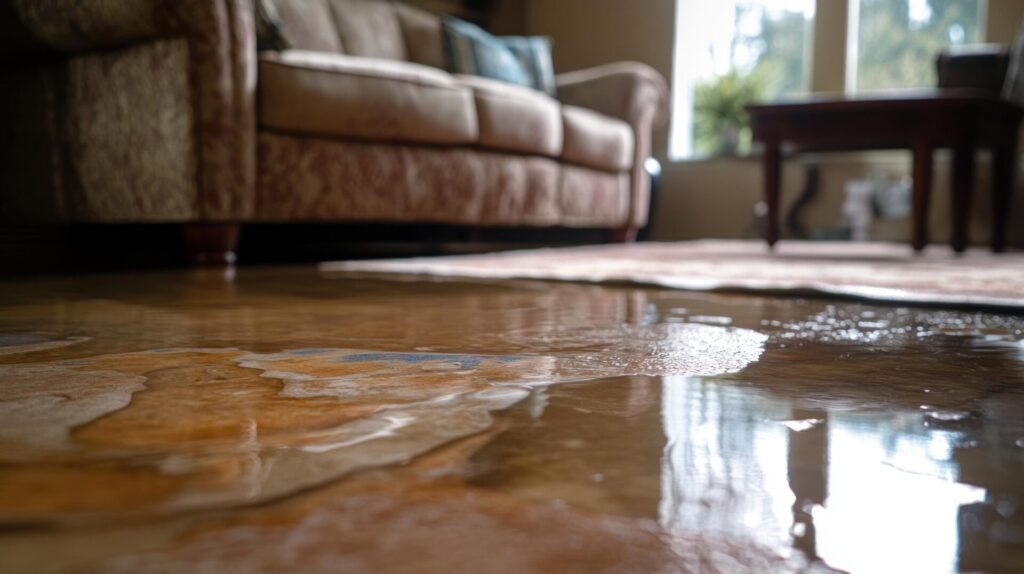
When you discover water damage in your home, evaluating its extent is crucial for effective repair. Start with a thorough water damage assessment. Check for visible signs like discoloration, peeling paint, or mold growth. These symptoms often indicate deeper issues.
Next, identify moisture sources—this could be a leaky roof, burst pipes, or faulty appliances. Use tools like moisture meters to pinpoint hidden damp spots.
Don’t forget to inspect areas behind walls and under floors, as these spots can harbor significant damage. Document your findings with photos and notes; this can be handy for insurance claims and future repairs.
Safety Precautions Before Starting Repairs
Before you start any repairs, assess the area for potential hazards like mold, exposed wires, or unstable structures.
Always wear protective gear such as gloves, goggles, and a mask to safeguard yourself from injury or exposure.
Taking these precautions ensures a safer repair process and helps prevent further damage.
Assess Hazards Thoroughly
As you prepare to tackle home repairs, it’s essential to assess potential hazards in your environment. Start with hazard identification to pinpoint risks that could cause harm. Perform a thorough risk assessment to prioritize which hazards to address first.
| Hazard Type | Action Needed |
|---|---|
| Electrical Issues | Shut off power source |
| Structural Damage | Evaluate for stability |
| Mold or Mildew | Identify moisture sources |
| Toxic Materials | Ensure proper disposal |
Use Protective Gear
After identifying and evaluating the hazards in your home, it’s time to prioritize your safety by using protective gear.
Don’t take shortcuts; invest in quality protective clothing to shield yourself from sharp objects, dust, and chemicals. Whether you’re painting, repairing drywall, or handling insulation, proper attire is vital.
Safety goggles are a must-have, too. They’ll protect your eyes from debris, splashes, and harmful particles that could cause injury.
Essential Tools and Materials for Water Damage Repair
When tackling water damage repair, having the right tools and materials is essential.
You’ll need key repair tools, appropriate safety equipment, and an inventory of essential materials to ensure an effective restoration process.
Let’s go over what you should gather before getting started.
Key Repair Tools
Water damage can wreak havoc on your home, but having the right tools at your disposal can make the repair process much smoother.
Start with a moisture meter to assess the extent of the damage. A wet/dry vacuum is vital for removing standing water, while dehumidifiers help dry out affected areas.
For repairs, gather tools like a utility knife, drywall saw, and a tape measure for precise cuts. Don’t forget safety gear, like gloves and goggles.
Key tool selection is important, but repair tool maintenance is equally important; clean and store your tools properly to ensure they last.
With these essentials in hand, you’ll be well-equipped to tackle any water damage repair project.
Necessary Safety Equipment
While tackling water damage repairs, prioritizing your safety is essential.
Start by gathering the right safety gear to protect yourself during the process. Wear protective clothing, like rubber gloves and waterproof boots, to shield against contaminants and moisture. A sturdy pair of goggles will keep your eyes safe from debris and splashes, while a mask can help filter out harmful mold spores and dust.
Additionally, consider using knee pads for comfort when working on the floor. If you’re dealing with extensive water damage, a hard hat might be necessary to protect your head from falling debris.
Essential Materials Inventory
A well-stocked materials inventory is essential for effectively addressing water damage repairs. Having the right tools and materials on hand makes the process smoother and faster. You’ll want to create an inventory checklist to ensure you’re prepared for any situation. Here’s a quick guide to essential items:
| Essential Materials | Purpose |
|---|---|
| Moisture Meter | Detect hidden moisture |
| Dehumidifier | Reduce humidity levels |
| Waterproof Patching | Seal leaks |
| Mold Inhibitor | Prevent mold growth |
| Heavy-Duty Trash Bags | Dispose of debris |
For successful material sourcing, consider local suppliers or online options to keep your inventory well-stocked. Being prepared fosters a sense of community and support among homeowners.
Steps for Drying Out Affected Areas
Once you’ve assessed the damage, it’s crucial to start drying out the affected areas promptly to prevent further issues like mold growth.
Here’s how to effectively manage moisture control:
Remove Furniture: Take out any furniture from the affected area to allow for better airflow and prevent staining or damage.
Ventilate: Open windows and doors to increase air circulation. Use fans to help direct airflow throughout the space.
Dehumidify: If possible, set up a dehumidifier to extract moisture from the air. This speeds up the drying process considerably.
Check for Hidden Moisture: Inspect walls, carpets, and other surfaces for any trapped moisture. You may need to remove baseboards or flooring to ensure thorough drying.
Repairing Walls and Ceilings After Water Damage
After you’ve successfully dried out the affected areas, you’ll need to address the damage to your walls and ceilings. Start by evaluating the extent of the damage. If you notice water stains, you can often tackle water stain removal with a mixture of vinegar and water. For persistent stains, consider using a specialized cleaner.
If the drywall is soft or crumbling, drywall replacement is necessary. Cut out the damaged sections, ensuring you measure accurately, and replace them with new drywall. Don’t forget to tape, mud, and sand the seams for a seamless finish.
Here’s a quick reference table to guide you:
| Step | Action | Tools Needed |
|---|---|---|
| Evaluate Damage | Check walls/ceilings | Flashlight, measuring tape |
| Remove Stains | Clean affected areas | Vinegar, cloth |
| Replace Drywall | Cut and install drywall | Drywall, knife, screws |
Taking these steps will help restore your home’s beauty and safety.
Dealing With Flooring Damage From Water Exposure
When dealing with flooring damage from water exposure, it’s crucial to act swiftly to prevent further complications.
Start by identifying your flooring types and the extent of the damage. Here’s what you should do:
Assess the Damage: Check for warping, buckling, or discoloration.
Dry the Area: Use fans and dehumidifiers to remove moisture.
Remove Affected Sections: If your flooring isn’t salvageable, carefully remove the damaged planks or tiles.
Consider Water Resistant Options: When replacing, explore water-resistant flooring types like vinyl or laminate to guard against future issues.
Taking these steps will help you recover your space and create a more resilient environment for your home.
Cleaning and Sanitizing Affected Surfaces
Addressing water damage doesn’t stop at flooring; it’s equally important to clean and sanitize affected surfaces to prevent mold and bacteria growth. Here are some effective cleaning techniques and mold prevention strategies to keep your home safe:
| Surface Type | Cleaning Method | Sanitizing Solution |
|---|---|---|
| Walls | Scrub with soap and water | Vinegar or bleach solution |
| Furniture | Wipe down with damp cloth | Rubbing alcohol |
| Carpets | Steam clean or shampoo | Disinfectant spray |
| Appliances | Wipe down with a damp cloth | Mild bleach solution |
| Bathroom Fixtures | Scrub with a brush | Anti-fungal cleaner |
Preventing Future Water Damage
To effectively prevent future water damage, it’s crucial to stay proactive about maintenance and repairs.
By implementing a few key strategies, you can safeguard your home from potential issues.
Here are some effective steps to examine:
Inspect your roof regularly for missing shingles or leaks.
Install waterproofing techniques in basements and crawl spaces to keep moisture at bay.
Ensure proper drainage solutions around your property, like gutters and downspouts, directing water away from your foundation.
Check plumbing for leaks and replace any worn-out hoses or fixtures.
When to Call in Professional Help
Even with diligent maintenance and preventive measures, some situations still require professional intervention. If you’ve experienced significant water damage, structural issues, or mold growth, it’s time to call in the experts. These problems often exceed your DIY skills and need a thorough damage assessment.
Additionally, if you’re unsure about the extent of the damage or how to file a claim with your home insurance, professionals can guide you through the process. They can provide accurate evaluations and ensure that repairs align with your policy’s requirements.
Don’t hesitate to reach out for help when you’re dealing with complex issues or potential hazards. Seeking professional assistance protects your home and gives you peace of mind.
Recap
Tackling water damage doesn’t have to feel overwhelming. Sure, it might seem complicated, but with the right approach and tools, you can effectively manage repairs yourself. By following these expert tips, you’ll restore your home and gain confidence in handling future issues. Remember, if the damage is extensive or you feel uncertain, reaching out for professional help is always a smart choice. Your home deserves the best care!
Recent Posts
Essential Guide to Flood Damage Restoration Practices
Flood Damage Restoration begins with a fast, organized response to minimize structural damage and protect
Top 10 Flood Damage Restoration Best Practices
Damage Restoration starts with a fast, organized response to minimize property damage and prevent long-term
7 Essential Tips for Flood Damage Restoration
Flood Damage Restoration should begin as soon as it is safe to enter the property,