
Contents
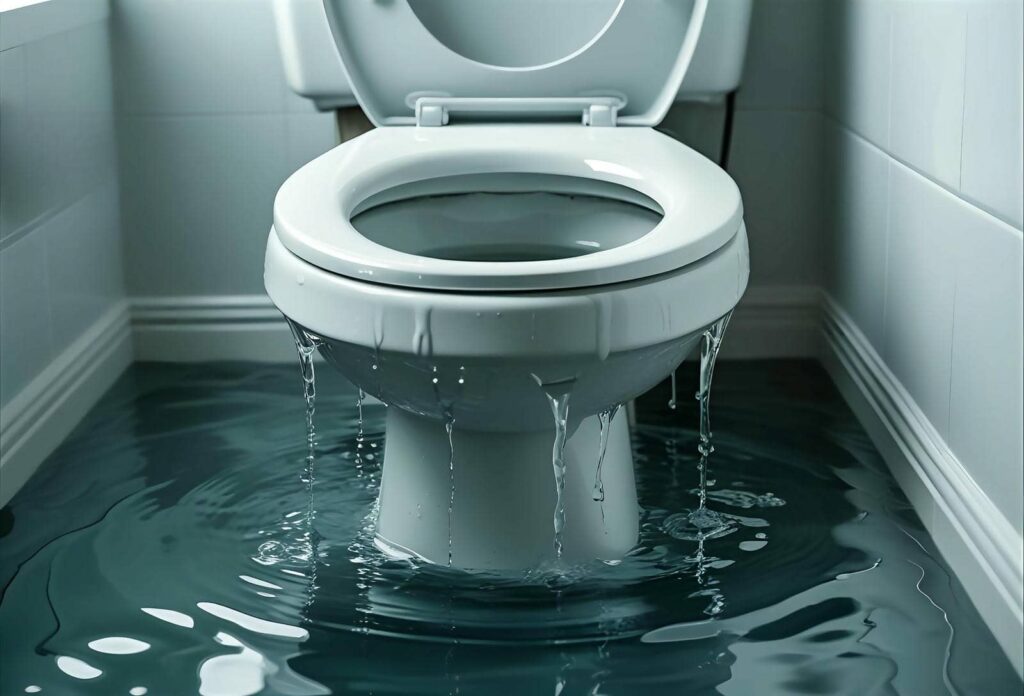
When faced with sewage cleanup, it’s vital to approach the situation methodically. You need to prioritize safety by wearing the right protective gear and ensuring proper ventilation. Next, containing and removing the sewage effectively can prevent further complications. Finally, disinfecting the affected areas is essential for restoring your space. But understanding the nuances of each step can make all the difference in successfully managing this unpleasant task. Let’s explore these significant steps further.
Key Takeaways
- Assess the situation to ensure safety, wearing appropriate PPE and ventilating the area properly.
- Contain the sewage water using barriers and extract it with a wet/dry vacuum or sewage pump.
- Clean and disinfect all affected surfaces with a strong disinfectant, focusing on high-touch areas.
- Maintain proper ventilation and use dehumidifiers to help dry the area and prevent mold growth.
- Document the cleanup process and schedule routine plumbing maintenance to prevent future issues.
Assess the Situation and Ensure Safety
Before beginning any sewage cleanup, it’s essential to assess the situation and ensure your safety. Start by evaluating the extent of the contamination. Is it a small spill or a larger issue?
Next, confirm you’ve got the right personal protective equipment (PPE) on hand. This includes gloves, masks, and boots to shield yourself from harmful pathogens and toxic substances. Taking safety precautions is non-negotiable; you don’t want to expose yourself to any health risks.
Check the area for electrical hazards, as water and electricity don’t mix. If needed, turn off the power supply to prevent accidents.
Ventilate the space by opening windows and doors, allowing fresh air to circulate. This can help reduce any harmful fumes.
Contain and Remove Sewage Water
Once you’ve ensured your safety, it’s crucial to contain and remove the sewage water effectively to prevent further contamination and damage.
Start by establishing sewage containment, using barriers like sandbags or absorbent materials to stop the spread. This initial step minimizes the risk of contamination to other areas in your home.
Next, you’ll need to focus on water extraction. Use a wet/dry vacuum or a pump designed for sewage removal to eliminate standing water.
If you’re dealing with a larger volume, consider renting professional-grade equipment to speed up the process. As you extract the water, keep an eye on the debris and solids being removed—these can pose health risks.
Disinfect and Restore Affected Areas
Disinfecting and restoring affected areas is essential to eliminate harmful pathogens and prevent future problems. Start by thoroughly cleaning all surfaces with a mixture of water and a strong disinfectant. Focus on high-touch areas, including doorknobs, light switches, and countertops. It’s vital to follow the manufacturer’s instructions for effective disinfecting.
Next, assess your belongings for damage. If items are salvageable, clean and disinfect them. For porous items like carpets and upholstery, consider professional treatment or replacement if contamination is severe.
After disinfecting surfaces and restoring belongings, ensure proper ventilation in the area to aid drying and reduce odors. Dehumidifiers can also help maintain ideal moisture levels, further protecting your home.
Summary
In the end, while you might think dealing with sewage is an unpleasant chore, it’s actually an opportunity to reclaim your space and ensure it’s safer than before. By following these steps, you eliminate the mess and prevent future problems. Who knew that a little hard work could lead to such a revitalizing environment? So, roll up your sleeves, tackle the task, and enjoy the irony of turning a disaster into a triumph.
Recent Posts
Why Use Effective Water Damage Assessment Methods?
You may see only a damp stain, yet you could be facing hidden structural decay.
5 Best Ways to Prevent Smoke and Soot Damage
Many homeowners underestimate the importance of prevention when it comes to smoke and soot damage.
What Are Homeowner Tips for Emergency Sewage Removal?
A clogged drain can be likened to a ticking time bomb, waiting to disrupt your