
Contents
Many people underestimate the rapidity at which mold can develop after water damage, often within 24 to 48 hours. If you’ve experienced water intrusion, it’s vital to act quickly and methodically. There are specific steps you need to follow to ensure safety and effectiveness in mold treatment. Understanding these can save you from potential health risks and costly repairs down the line. Let’s explore the essential tips for effective mold remediation.
Key Takeaways
- Inspect and document affected areas for visible mold signs, using a moisture meter to assess saturation levels in porous materials.
- Wear protective gear like masks, gloves, and goggles while cleaning surfaces to prevent exposure to mold spores and irritants.
- Use dehumidifiers to maintain humidity levels between 30% and 60%, and regularly monitor and empty water tanks for effectiveness.
- Apply non-toxic mold inhibitors after reducing humidity, following manufacturer instructions for even coverage and proper ventilation.
- Consider hiring professionals for a thorough mold assessment and remediation, especially in hard-to-reach areas or extensive mold growth.
Assess the Extent of Water Damage
When facing water damage, it’s crucial to assess its extent before taking further action. Start your water damage assessment by inspecting affected areas thoroughly.
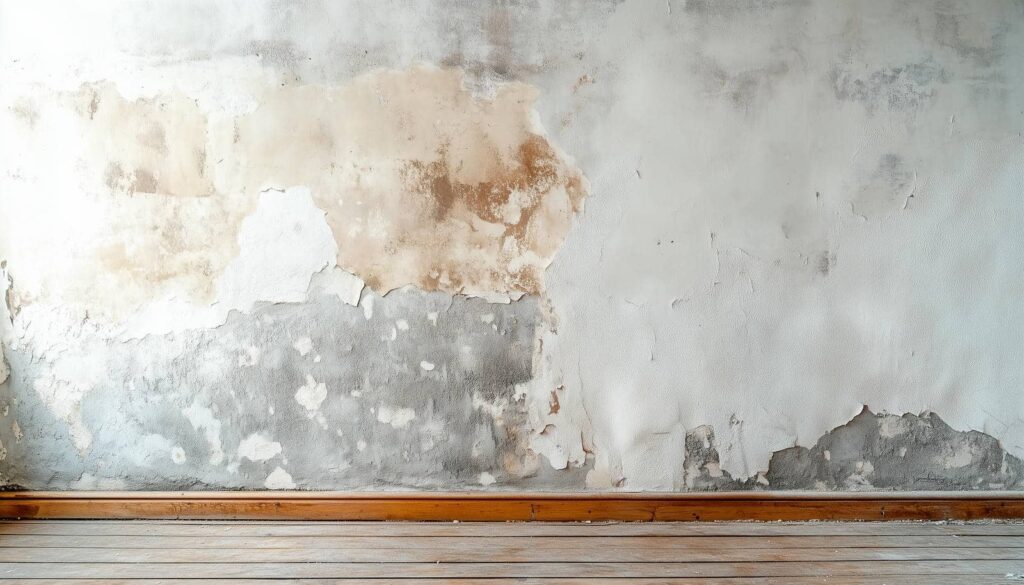
Look for visible signs like discoloration, warping, or bubbling in walls and ceilings. Don’t forget to check hidden spaces, such as behind appliances or in crawl spaces, where moisture may linger unnoticed.
For a proper damage severity evaluation, use a moisture meter to gauge the saturation levels of materials. This tool helps you determine which areas require immediate attention.
Pay attention to the type of materials involved; porous materials like drywall and carpeting absorb water quickly, increasing the risk of mold growth.
Document your findings, as this will help you prioritize remediation efforts and communicate effectively with professionals.
Identify and Address the Source of Moisture
Identifying and addressing the source of moisture is essential for preventing further damage and mold growth. Start by conducting thorough leak detection throughout your property.
Look for common moisture sources, such as leaky pipes, roof leaks, or even condensation around windows. Pay close attention to areas like basements, bathrooms, and kitchens, where humidity levels can rise.
Use a moisture meter to check for hidden pockets of dampness within walls or floors. If you find any leaks, repair them immediately to stop water from accumulating.
Additionally, make sure your gutters and downspouts are clear to divert rainwater away from your home’s foundation.
Consider utilizing dehumidifiers in high-moisture areas to maintain ideal humidity levels.
Wear Protective Gear During Cleanup
As you prepare to tackle mold cleanup, wearing the right protective gear is vital to ensure your safety and minimize health risks.
Start by donning a high-quality protective mask, ideally an N95 or better, to filter out mold spores and harmful particles. This will help you breathe easier and reduce your exposure to allergens.
Next, equip yourself with safety goggles to protect your eyes from irritants and potential splashes. Mold can release mycotoxins that may cause irritation, so safeguarding your vision is important.
Don’t forget to wear gloves, preferably made from latex or nitrile, to shield your skin from contact with mold and cleaning solutions.
Make sure your clothing covers your arms and legs, as mold can irritate bare skin.
Remove Affected Materials
Start by carefully removing any materials that are visibly affected by mold, such as drywall, carpeting, or insulation. Use appropriate mold removal techniques to minimize spore dispersion during this process.
It’s vital to work methodically; cut away only the areas that show clear signs of mold growth. Confirm you’re wearing your protective gear, including gloves and masks, to safeguard against inhalation or skin contact.
Once you’ve removed the affected materials, place them in heavy-duty plastic bags for disposal. Seal these bags tightly to prevent any spores from escaping into your environment.
Dispose of them according to local regulations, as proper affected material disposal is important in preventing future outbreaks. This step helps eliminate current mold issues and fosters a safer, healthier atmosphere for you and your loved ones.
Taking these precautions creates a sense of belonging in your clean and mold-free space.
Clean and Disinfect Surfaces
To effectively clean and disinfect surfaces after water damage, you’ll need essential supplies like non-toxic cleaning agents, gloves, and masks.
Use effective techniques such as scrubbing with a brush and applying disinfectant solutions to eliminate mold spores.
Always prioritize safety precautions to protect yourself from harmful chemicals and ensure proper ventilation in the affected area.
Essential Cleaning Supplies
When tackling mold treatment after water damage, having the right cleaning supplies is essential for effectively sanitizing and disinfecting surfaces.
Start with high-quality cleaning solutions specifically designed to kill mold spores. Look for products that contain fungicides or bleach, as these are effective against mold.
You’ll also need personal protective equipment, such as gloves and masks, to ensure your safety while cleaning.
Microfiber cloths are ideal for wiping down surfaces, as they trap mold spores better than traditional rags. Don’t forget a sturdy scrub brush for tougher mold on porous materials.
Finally, a spray bottle can help you apply your cleaning solutions evenly.
With these essential supplies, you’ll create a safer environment for yourself and your loved ones.
Effective Disinfecting Techniques
Having the right cleaning supplies sets the stage for effective disinfecting techniques that are essential in combating mold after water damage.
Begin by using a solution of water and a suitable disinfectant, such as bleach or a commercial mold remover. Apply this mixture to affected surfaces, ensuring thorough saturation for ideal mold removal.
Scrub surfaces with a brush to dislodge any stubborn mold spores, paying close attention to porous materials where mold may linger. After scrubbing, rinse surfaces with clean water to remove residue.
Finally, allow surfaces to dry completely, as moisture encourages mold growth. Regular surface sanitization is key to preventing future infestations, creating a healthier environment for you and your loved ones.
Safety Precautions Needed
While tackling mold removal, it’s essential to prioritize safety to protect yourself from harmful spores and chemicals.
Start by ensuring proper ventilation in your workspace; open windows and use fans to circulate air. Wearing protective gear, including gloves, masks, and goggles, minimizes your exposure to health risks associated with mold and cleaning agents.
Before cleaning, assess the area and remove any contaminated materials safely. Use appropriate disinfectants, following the manufacturer’s instructions, to effectively kill mold spores.
After cleaning, continue to ventilate the area until it’s completely dry. Regularly monitor your environment for any signs of mold regrowth, as early detection helps maintain a safe and healthy space for you and your loved ones.
Use Dehumidifiers to Reduce Humidity
To effectively combat mold growth after water damage, using dehumidifiers is crucial, as they help lower humidity levels in affected areas.
Begin by setting your dehumidifier to the right humidity control settings, ideally between 30% to 60%. This range creates an inhospitable environment for mold spores, which thrive in higher humidity.
Place the dehumidifier in the center of the most affected room, ensuring good air circulation around it. Regularly check and empty the water tank to maintain peak performance.
If your space is considerably large, consider using multiple units to achieve effective humidity control throughout the area.
Safety is paramount; always follow the manufacturer’s instructions and ensure proper ventilation during operation.
Apply Mold Inhibitors
Once you’ve effectively reduced humidity levels with dehumidifiers, the next step is to apply mold inhibitors to further safeguard your home against mold growth.
Mold inhibitors’ effectiveness varies depending on the product and application techniques. Here’s how to apply them properly:
Choose the Right Product: Select a mold inhibitor that meets your needs, whether it’s a spray, liquid, or paint additive.
Prepare the Surface: Clean the area thoroughly to remove any existing mold and debris before application.
Follow Manufacturer Instructions: Apply the inhibitor as directed, ensuring even coverage for maximum effectiveness.
Ensure Proper Ventilation: Keep the space well-ventilated during and after application to promote drying and prevent inhalation of fumes.
Monitor for Signs of Recurrence
To prevent mold’s return, you need to conduct regular inspections of previously affected areas.
Keep a close eye on humidity levels, as excess moisture can trigger mold growth.
Regular Inspections Needed
Regular inspections are essential for preventing mold from reappearing after water damage, especially since even small amounts of moisture can trigger its growth.
To effectively monitor for signs of recurrence, consider the following inspection frequency guidelines:
Monthly Checks: Inspect areas previously affected by water damage to catch any early signs of mold growth.
Post-Rainfall Inspections: After heavy rain, check for leaks or damp spots that could foster mold.
Seasonal Evaluations: Evaluate your home during seasonal changes, as humidity levels fluctuate.
After Repairs: Inspect areas that have been repaired to verify that moisture issues are resolved.
Humidity Level Awareness
While you may have resolved immediate water damage issues, maintaining awareness of humidity levels is crucial to prevent mold’s resurgence.
You should implement effective humidity control measures, keeping indoor humidity below 60%. Invest in a hygrometer to assist with moisture monitoring, allowing you to track fluctuations over time.
If humidity levels rise, promptly address the sources, such as leaks or inadequate ventilation. Consider using dehumidifiers in damp areas, like basements or laundry rooms, to combat excess moisture.
Regularly inspect these spaces and ensure proper airflow throughout your home. By staying vigilant and proactive about humidity, you’ll create a safer environment for your family and greatly reduce the risk of mold reappearing.
Your commitment to these practices fosters a healthier living space.
Consider Professional Mold Remediation
Considering the potential health risks associated with mold exposure, it’s important to evaluate the benefits of professional mold remediation after water damage. Engaging professional services ensures a thorough mold assessment and provides peace of mind.
Here are some advantages of hiring experts:
Expertise: Trained professionals understand mold biology and can identify hidden growth.
Safety: They use specialized equipment and protective gear to minimize health risks during removal.
Effective Treatment: Professionals employ advanced techniques and solutions for complete mold eradication.
Preventive Measures: They can offer recommendations to prevent future mold growth, enhancing your home’s safety.
Implement Long-Term Prevention Strategies
To effectively combat mold growth after water damage, you should implement long-term prevention strategies that address moisture control and enhance indoor air quality.
Start by using mold-resistant materials in areas prone to dampness, like bathrooms and kitchens. These materials can considerably reduce mold’s ability to thrive.
Next, focus on ventilation improvements throughout your home. Verify that exhaust fans are functional and consider installing dehumidifiers in high-humidity areas. Proper airflow helps keep moisture levels in check, preventing mold spores from settling and growing.
Regularly inspect your property for leaks or water intrusion, and address any issues promptly. It’s crucial to maintain a humidity level below 60% for the best conditions.
By taking these proactive steps, you protect your home and create a healthier living environment for you and your loved ones.
Frequently Asked Questions
How Long Does It Take for Mold to Grow After Water Damage?
Mold can start growing within 24 to 48 hours after water damage. To prevent this, implement mold prevention strategies immediately during water damage restoration, ensuring proper ventilation and moisture control to protect your space and health.
Can I Use Bleach to Remove Mold?
You can use bleach for mold removal, but it isn’t always effective. While it may lighten surface mold, it won’t penetrate porous materials. Always wear protective gear and ensure proper ventilation to stay safe.
What Are the Health Risks Associated With Mold Exposure?
Mold exposure can trigger mold allergies and respiratory issues, leading to symptoms like sneezing, coughing, and shortness of breath. It’s essential to address these hazards promptly to protect your health and well-being.
How Can I Tell if Mold Is Safely Removed?
“An ounce of prevention’s worth a pound of cure.” To ensure mold is safely removed, conduct thorough visual inspections and utilize mold testing. If no growth reappears and the air quality’s stable, you’re likely in the clear.
Will Homeowners Insurance Cover Mold Damage Repairs?
Homeowners’ insurance might cover mold damage repairs, but it depends on your specific insurance policies. Review your mold coverage details, and consult your agent to ensure you’re protected and understand any exclusions or limitations.
Wrap-Up
In the battle against mold after water damage, think of yourself as a vigilant gardener, pruning away the unhealthy growth to let your home thrive. By evaluating damage, addressing moisture sources, and using protective gear, you’re laying the groundwork for a safe environment. Regular inspections and mold inhibitors act like a shield, preventing future infestations. Remember, staying proactive is key; with these strategies, you can cultivate a mold-free home and ensure your space remains healthy and inviting.
Recent Posts
10 Steps to Treat Mold Post Water Damage
Water damage can transform a space into a breeding ground for mold, yet prompt action
Why Address Mold After Water Damage?
Mold can start growing within just 24 to 48 hours after water damage occurs, often
Top 7 Mold Prevention Tips for Homeowners
Did you know that maintaining indoor humidity levels between 30-60% can greatly reduce mold growth