
Contents
When you experience sewage backups, it’s essential to act quickly and methodically. First, you need to assess the situation and ensure that safety precautions are in place. But what are the specific steps you should take next to minimize damage and health risks? Understanding this can make all the difference in effectively managing the emergency.
Key Takeaways
- Assess the situation by identifying sewage sources and checking for visible overflow or unusual odors.
- Shut off the water supply to prevent further flooding and avoid contact with contaminated water.
- Wear protective gear and assess immediate hazards to ensure personal safety.
- Call a professional service for expert assistance and document damage for insurance claims.
- Schedule regular inspections and maintain plumbing to prevent future sewage backups.
Assess the Situation
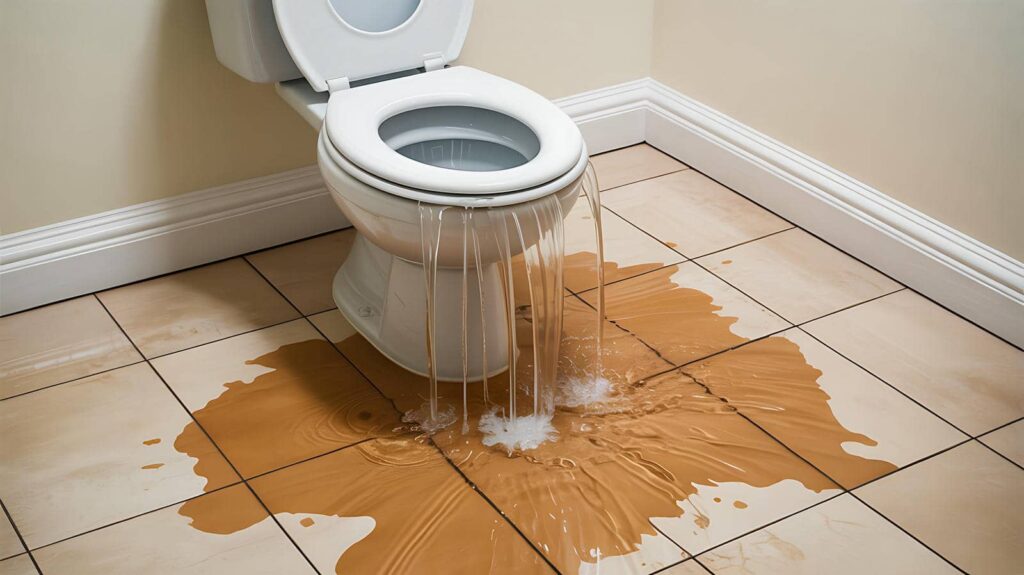
When you encounter a sewage backup, it’s vital to quickly assess the situation to determine the severity of the issue. Start by identifying potential sewage sources, such as toilets, sinks, or floor drains. Check for visible signs of overflow or unusual odors, as these can indicate the extent of the backup. If water is pooling, measure its depth to gauge how serious the problem is.
Next, inspect the surrounding area for any damage or contamination. This assessment will help you decide whether it’s safe to stay or if evacuation is necessary.
Understanding the cause of the backup is essential for effective backup prevention in the future. Common causes include tree root intrusion, grease buildup, or damaged pipes.
Ensure Safety Precautions
When facing a sewage backup, assess immediate hazards like electrical risks and structural damage before proceeding.
Always wear protective gear such as gloves, masks, and boots to shield yourself from contaminants.
Stay clear of contaminated areas to minimize exposure to harmful pathogens and toxins.
Assess Immediate Hazards
Before you begin any cleanup following a sewage backup, it’s essential to assess immediate hazards to guarantee your safety.
Conducting hazard identification and a thorough risk assessment can help you pinpoint potential dangers.
Check for electrical hazards, like exposed wires or standing water near outlets.
Identify any structural damage that could compromise the stability of your space.
Be aware of harmful bacteria and pathogens present in sewage that may pose health risks.
Use Protective Gear
After evaluating immediate hazards, the next step involves securing your safety through proper protective gear.
You need to wear high-quality protective clothing, such as waterproof coveralls and rubber gloves, to shield yourself from harmful contaminants. Safety equipment like face masks or respirators is vital to prevent inhaling toxic fumes and pathogens.
Don’t forget sturdy boots; they’ll protect your feet from sharp objects and hazardous materials. Eye protection is also essential to guard against splashes.
Verify all your gear fits well—loose clothing can pose a risk. By equipping yourself with the right protective gear, you’re protecting yourself and fostering a safer environment for anyone who may assist in the cleanup.
Safety should always be your top priority.
Avoid Contaminated Areas
To guarantee your safety during a sewage backup emergency, it’s crucial to avoid contaminated areas where pathogens and hazardous materials can pose serious health risks.
You should prioritize safe evacuation and steer clear of places with visible waste or foul odors. Recognizing contamination risks early can help protect you and your loved ones.
- Identify and mark off affected zones to prevent accidental entry.
- Secure your belongings and avoid contact with contaminated surfaces.
- Follow local guidelines or evacuate to safer locations until professionals can assess the situation.
Shut Off Utilities
When facing a sewage backup, your first step is to locate the main shutoff valve for the water supply and turn it off immediately to prevent further flooding.
Next, switch off the electricity in the affected areas to minimize the risk of electrical hazards.
These actions are vital for ensuring safety before addressing the sewage issue.
Locate Main Shutoff Valve
In a sewage backup emergency, locating the main shutoff valve is essential for mitigating damage and ensuring safety. Knowing the main valve location can save you from costly repairs and health hazards.
Here’s why the importance of shutoff can’t be overstated:
- Quick action: Turning off the water supply immediately can prevent further flooding.
- Safety first: Reducing water flow minimizes the risk of contamination and accidents.
- Peace of mind: Knowing how to find the valve empowers you during emergencies.
Usually, the main shutoff valve is located near the perimeter of your home, often in the basement, crawl space, or near the water meter.
Familiarizing yourself with this vital location ahead of time can make all the difference when disaster strikes.
Turn Off Electricity
Turning off the electricity during a sewage backup emergency is essential for protecting both your safety and your property.
Begin by locating your main electrical panel and identifying the circuit breakers. Carefully switch off the power to affected areas, making sure you’re standing on a dry surface. This step is vital for electrical safety, as water and electricity can create hazardous conditions.
If the situation is difficult, it’s best to shut off the main power supply to your home. Always follow emergency procedures and avoid using electrical appliances until professionals assess the situation.
Communicating with your family about these steps fosters a sense of belonging and guarantees everyone knows how to respond effectively during such emergencies.
Call a Professional Service
Although you may be tempted to tackle a sewage backup on your own, calling a professional service is essential for ensuring the issue is handled safely and effectively.
Professional services specialize in emergency response, equipped with the tools and expertise necessary to manage the hazardous situation. They’ll assess the damage, remove contaminated waste, and sanitize the affected areas to prevent health risks.
Consider the following benefits of hiring professionals:
Expertise: Trained technicians understand the complexities of sewage systems and can identify underlying issues.
Safety: They follow strict safety protocols to protect you and your property from harmful contaminants.
Efficiency: With specialized equipment, they’ll resolve the issue faster, minimizing further damage to your home.
Don’t underestimate the importance of professional services. Your safety and well-being depend on it, so reach out for help when you encounter a sewage backup emergency.
Document the Damage
Before you begin any cleanup efforts, it’s essential to document the damage caused by the sewage backup.
Start with a thorough damage assessment. Take clear, detailed photographs of affected areas, including flooring, walls, and personal belongings. Make sure to capture the extent of the damage from multiple angles.
Record any visible signs of contamination, such as discoloration or water stains.
Create a written inventory of damaged items, noting their condition and estimated value. This documentation will be vital for insurance claims.
Contact your insurance provider promptly to understand their specific requirements. They may request copies of your photos and inventory to expedite the claims process.
Begin Cleanup Procedures
Start the cleanup process immediately to minimize health risks and prevent further damage. Gather your cleanup equipment and guarantee you’re adequately protected with gloves, masks, and waterproof clothing.
Follow these steps for effective sanitation methods:
- Remove standing water: Use pumps or wet/dry vacuums to eliminate excess water.
- Discard contaminated items: Safely dispose of any damaged belongings, including carpets and upholstery.
- Disinfect surfaces: Clean and sanitize all affected areas with a disinfectant solution.
Once the area is clear, thoroughly dry it to prevent mold growth.
Keep in mind that sewage can contain harmful pathogens, so don’t underestimate the importance of proper sanitation methods. Confirm your environment is safe for everyone involved.
With careful attention to these steps, you’ll create a healthier home space and help restore peace of mind for you and your family.
Prevent Future Incidents
To effectively prevent future sewage backup incidents, you must take proactive measures that address both the immediate environment and the plumbing infrastructure.
Start with regular inspections of your sewer lines and plumbing systems. This helps identify potential blockages caused by tree roots, grease buildup, or aging pipes before they escalate into significant issues.
Additionally, implement a preventive maintenance schedule for your home’s plumbing. This includes cleaning drains, checking sump pumps, and ensuring that backwater valves function correctly.
Educate your household about proper waste disposal; avoid flushing anything other than toilet paper to minimize clogs.
Consider installing a sewer backup prevention system, especially if you live in a flood-prone area.
Engaging a trusted professional for routine assessments can foster a healthier plumbing environment, ensuring you and your family can enjoy peace of mind, free from the threat of sewage backups.
Frequently Asked Questions
What Causes Sewage Backups in Residential Properties?
Sewage backups occur primarily due to clogged drains and tree roots intruding into sewer lines. These blockages prevent proper waste flow, leading to overflow and potential damage in your home if not addressed promptly.
How Can I Identify a Sewage Backup Quickly?
You’ll notice a sewage odor creeping in, like an unwelcome guest. Check for drain clogs, gurgling sounds, and slow drainage signal trouble. Swiftly identifying these signs helps you tackle the issue before it escalates.
Are There Health Risks Associated With Sewage Exposure?
Yes, sewage exposure presents health risks. You may encounter sewage pathogens, leading to health symptoms like nausea, diarrhea, and skin irritation. It’s vital to address any potential exposure promptly to protect your well-being.
What Insurance Covers Sewage Backup Damage?
Think of your home as a fortress. Flood insurance often includes property coverage for sewage backups, but check your policy’s specifics. You want to ensure your fortress stands strong against unexpected intrusions.
How Long Does Cleanup Typically Take After a Backup?
Cleanup duration after a sewage backup typically ranges from a few hours to several days, depending on severity. A thorough post-backup assessment helps determine necessary actions, ensuring you restore your space efficiently and safely.
Final Thoughts
In the wake of a sewage backup, you’re not just facing a mess; you’re confronting a monstrous tide of contaminated chaos. Swiftly assess, safeguard your domain, and cut off the water flow—like sealing a dam against an impending flood. Call in the cavalry of professionals to battle the waste, while you meticulously document the aftermath for your insurance warriors. With diligent cleanup and proactive measures, you can transform your space, turning potential disaster into a fortress of safety and hygiene.
Recent Posts
Essential Guide to Flood Damage Restoration Practices
Flood Damage Restoration begins with a fast, organized response to minimize structural damage and protect
Top 10 Flood Damage Restoration Best Practices
Damage Restoration starts with a fast, organized response to minimize property damage and prevent long-term
7 Essential Tips for Flood Damage Restoration
Flood Damage Restoration should begin as soon as it is safe to enter the property,