
Contents
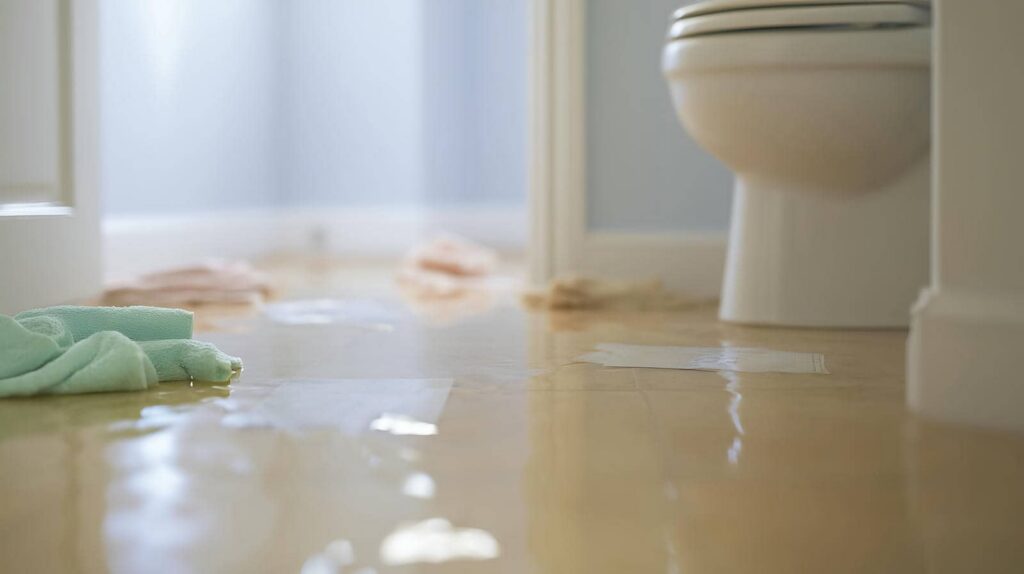
Sewage Cleanup should begin with safety, as sewage-contaminated water can contain harmful bacteria, viruses, and other hazardous materials. Before entering the affected area, wear appropriate personal protective equipment, including chemical-resistant gloves, waterproof boots, and eye protection. Isolate the contaminated space, restrict access, and document all damage for insurance purposes before cleanup begins. Non-porous surfaces can often be cleaned and disinfected, while porous materials such as carpet, insulation, drywall, and upholstered furniture may need to be removed if they have been heavily contaminated. A thorough cleanup, disinfection, and drying process helps protect your health, prevent further contamination, and restore your property safely.
Key Takeaways
- Stop activity, keep people and pets away, and isolate the affected area by closing doors and blocking access.
- Wear chemical-resistant gloves, waterproof boots, eye protection, and a respirator rated for bioaerosols.
- Shut off HVAC vents and use barriers or warning signs to contain sewage spread.
- Clean hard surfaces with detergent, then apply an EPA-registered disinfectant for the full contact time.
- Call professionals for large backups, visible sludge, strong odors, or saturated porous materials.
What To Do First After Sewage Backup?
First, stop any activity in the affected area and keep everyone, including pets, out of the sewage-contaminated space to prevent exposure.
In your initial response, isolate the zone by closing doors and blocking access so contamination doesn’t spread.
Then contact your local utility or a licensed restoration service and report the backup; follow their emergency procedures exactly.
If the source is a plumbing failure, shut off the water supply only if you can do it safely.
Avoid using drains, toilets, or HVAC connected to the area until a professional evaluates the system.
Document visible damage with photos from a safe distance, and keep receipts for future claims.
You’ll protect your household and coordinate a faster, safer recovery by acting methodically.
What Sewage Cleanup Safety Gear Do You Need?
When you enter a sewage-contaminated area, you need full personal protective equipment to reduce exposure to pathogens and hazardous debris.
You should wear chemical-resistant gloves, waterproof boots with slip-resistant soles, eye protection, and a respirator rated for bioaerosols if splashing or aerosolization is possible.
Add a disposable coverall or impervious suit with sealed cuffs and tape seams to limit skin contact.
Use protective equipment that fits well, because gaps increase contamination risk and reduce your confidence during cleanup.
Keep spare gloves and masks nearby so you can replace damaged items quickly.
After each task, remove gear in a controlled sequence, then wash hands and exposed skin with soap and water to support strict personal hygiene.
Dispose of contaminated items according to local health guidance.
How To Isolate The Area Safely
Once you’ve suited up, the next priority is to stop sewage from spreading into clean areas. You should set a clear perimeter around the affected zone and limit area access to trained responders only.
Use barriers, tape, or closed doors to support sewage containment and define a single entry point. Post visible warning signs so everyone knows the zone is restricted and why.
If you can, shut off HVAC vents or return airflow that could move contaminated aerosols. Keep clean tools, footwear, and supplies outside the boundary to prevent cross-contamination.
You should assign one person to control entry, document who goes in, and confirm that everyone follows the same protocol. This approach protects your crew and keeps the worksite organized.
How To Clean Sewage-Exposed Surfaces
You should first remove visible debris from sewage-exposed surfaces.
Then wash them with a detergent solution to reduce organic residue.
After cleaning, you should apply an EPA-registered disinfectant at the specified contact time to inactivate remaining pathogens.
Once disinfection’s complete, you should dry the surfaces with controlled airflow or clean absorbent materials to limit moisture retention and microbial growth.
Surface Disinfection Steps
Before disinfection begins, remove visible sewage residue from hard, nonporous surfaces using disposable towels and a detergent solution, then discard all cleanup materials in sealed bags.
You then apply a disinfectant labeled for sewage contamination risks, following the contact time on the product. Choose preventive measures that protect your team: wear gloves, eye protection, and boots, and isolate the area until the solution works.
- You reduce pathogen load.
- You support a safer shared space.
- You limit cross-contamination.
- You reinforce cleanup discipline.
After contact time, rinse surfaces only if the label requires it, and wipe away chemical film with clean disposable towels.
Inspect corners, seams, and fixtures for missed residue. If contamination persists, repeat the disinfection cycle with fresh solution.
Safe Drying Methods
After disinfection, dry sewage-exposed surfaces with clean, disposable towels or single-use wipes to remove remaining moisture and prevent microbial growth.
You should work from the cleanest area toward the most contaminated, replacing towels often so you don’t spread residue. Use safe drying techniques that limit aerosolization and contact time, and apply steady pressure instead of rubbing aggressively.
For porous materials, assess whether moisture removal methods can reach the substrate; if not, remove and discard the item.
Keep fans and dehumidifiers positioned to support airflow without blowing contaminated particles around. Verify that surfaces feel dry before you reintroduce equipment or occupants.
When you follow these steps, you help protect your team and create a safer, more controlled cleanup environment.
When Should You Throw Out Contaminated Items?
Throw out contaminated items when sewage has soaked porous materials that you can’t fully clean and disinfect, such as upholstered furniture, mattresses, carpet padding, paper products, insulation, or damaged drywall. You protect your household by applying disposal guidelines early and consistently.
If an item holds moisture, odor, or visible residue, treat it as a removal candidate.
- Carpets and pads trap pathogens.
- Particleboard swells and loses integrity.
- Books and papers rarely recover safely.
- Soft goods can spread fear and risk.
You’re not overreacting; you’re following a practical threshold. Group affected belongings, label them, and move them out in sealed bags or wrapped bundles.
That keeps your space organized and helps your crew stay aligned during cleanup. Prioritize safety, act decisively, and reduce cross-contamination now.
How To Disinfect After Sewage Exposure
You should first remove all contaminated materials, including porous items that can retain sewage and spread pathogens.
Next, clean hard surfaces thoroughly with detergent and water to eliminate visible residue and reduce organic load.
Then apply a disinfectant that’s labeled for sewage exposure, and keep the surface wet for the full contact time specified by the product.
Remove Contaminated Materials
Strip out any porous or heavily contaminated materials as soon as it’s safe to do so, because sewage can soak deep into items and make full disinfection unreliable.
Begin with a contamination assessment, then put on protective equipment before you handle waste, insulation, carpet, or damaged textiles. You’re protecting your space and the people who count on it.
- Bag materials immediately to limit spread.
- Seal containers before moving them.
- Remove items with tears, swelling, or saturation.
- Keep a clear path so your team stays safe.
Work methodically and document what you remove so everyone involved understands the hazard.
If you’re uncertain whether an item can be salvaged, treat it as contaminated and discard it. That disciplined choice supports a safer cleanup and helps you belong to a crew that handles risk the right way.
Clean Surfaces Thoroughly
Scrub exposed surfaces with detergent and hot water first, then apply an EPA-registered disinfectant approved for sewage contamination and keep the surface wet for the full contact time listed on the label.
You should treat floors, walls, counters, and fixtures methodically so no residue remains in seams or corners. Use disposable cloths or mops you can discard after use to limit cross-contamination.
Rinse only if the label requires it, and let the area dry completely, because lingering moisture supports preventing mold and can preserve health hazards.
In your cleanup team, verify each surface visually and by touch for film, odor, or dampness. If contamination persists, repeat cleaning before reopening the space.
This disciplined process protects shared indoor environments and supports safe reentry.
Apply Disinfectant Properly
After the surface is clean and dry, apply an EPA-registered disinfectant labeled for sewage contamination at the correct dilution and contact time. You’ll protect your space by selecting disinfectant types matched to the material and contamination level, then following the label exactly.
Use application techniques that wet every exposed area evenly, including seams, corners, and porous edges. Keep the surface visibly wet for the full dwell time, because short contact weakens control.
- You reduce hidden risk.
- You support safer reentry for your household.
- You help your team work with confidence.
- You restore a shared sense of control.
Rinse only when the label requires it, and ventilate the area while you work. Dispose of wipes, pads, and gloves as contaminated waste.
When To Call Sewage Cleanup Professionals
If the sewage backup covers a large area, involves contaminated water, or reaches walls, flooring, or HVAC components, you should call professionals immediately.
You should also escalate when sewage backup signs include repeated overflow, strong odor, or visible sludge, because these conditions indicate deeper contamination.
Professionals bring extraction equipment, antimicrobial protocols, and moisture mapping tools that reduce hidden damage.
If you’ve already contacted utilities and the source keeps returning, don’t keep testing the area yourself; the health risks rise fast.
You belong in a safer response plan, not in avoidable exposure.
Call experts when you can’t verify containment, when porous materials are saturated, or when cleanup extends beyond a single fixture.
Prompt service limits structural loss and helps you re-enter the space with confidence.
Frequently Asked Questions
How Long Should Children Stay Away From a Sewage-Affected Area?
You should keep children away until professionals declare the area sanitized and dry; exposure duration should be zero. For child safety, don’t let them enter earlier, since sewage can still contaminate surfaces, air, and belongings.
Can Sewage Exposure Contaminate HVAC Systems?
Yes—sewage exposure can contaminate HVAC systems through airborne droplets, duct leakage, and shared return air. You should isolate affected zones, inspect filters and coils, and schedule prompt HVAC maintenance to prevent sewage contamination.
Is It Safe to Use Household Bleach on Sewage Cleanup?
No, you shouldn’t rely on household bleach alone; it’s no magic shield. You can’t trust bleach effectiveness on sewage without safety precautions, because you’ll need proper dilution, ventilation, and protective gear before cleanup.
What Symptoms Need Medical Attention After Sewage Exposure?
You need medical attention if you develop fever, vomiting, diarrhea, severe cough, skin rash, eye irritation, or worsening wounds after sewage exposure; these infection symptoms signal health risks and possible bacterial, viral, or parasitic infection.
How Do I Document Sewage Damage for Insurance Claims?
You should photograph all affected areas, list damaged materials, and obtain a professional damage assessment. Keep receipts, moisture readings, and cleanup reports. Submit organized insurance documentation promptly so you can support your claim and feel covered.
Conclusion
You should treat sewage cleanup as a high-risk task from the start. Wear chemical-resistant gloves, waterproof boots, and eye protection, then isolate the area and document every loss for insurance. One useful benchmark: sewage exposure can spread pathogens within hours, so speed matters. Clean and disinfect only if the damage is limited; otherwise, you should call professionals. Quick, controlled action reduces contamination, protects health, and improves recovery outcomes.
Recent Posts
Essential Guide to Flood Damage Restoration Practices
Flood Damage Restoration begins with a fast, organized response to minimize structural damage and protect
Top 10 Flood Damage Restoration Best Practices
Damage Restoration starts with a fast, organized response to minimize property damage and prevent long-term
7 Essential Tips for Flood Damage Restoration
Flood Damage Restoration should begin as soon as it is safe to enter the property,