
Contents
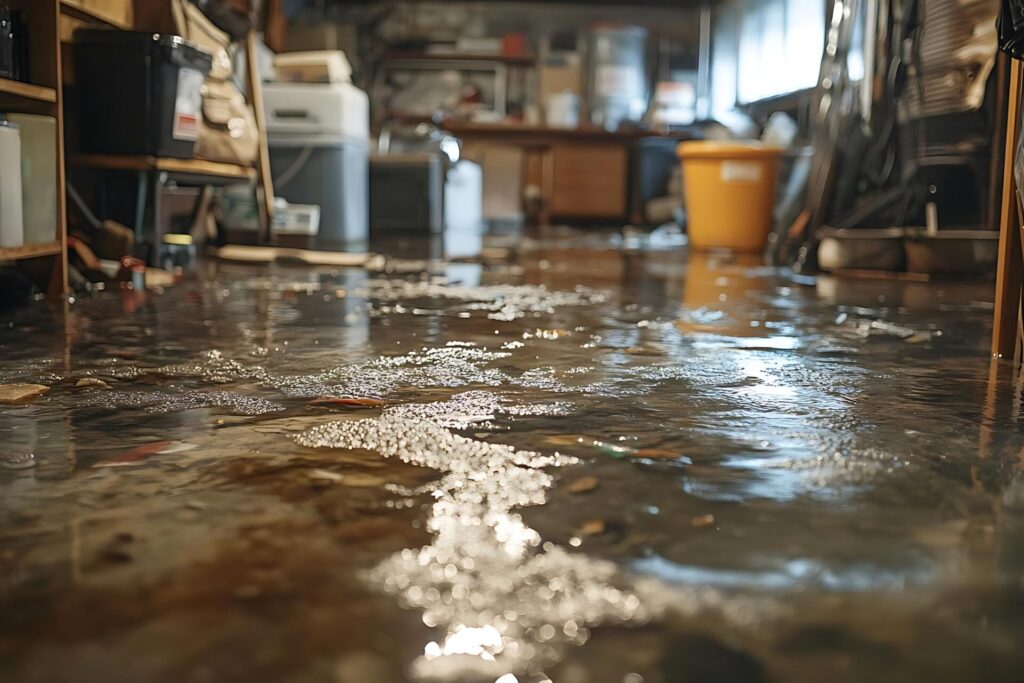
When facing a basement flood, it’s essential to approach flood recovery systematically. Start by evaluating the damage to understand the extent of the problem. Next, you’ll need to remove any standing water efficiently. Following that, drying the area is important to prevent mold growth. Each step in this process plays a critical role in restoring your space. But what comes next might surprise you, especially when it comes to ensuring long-term protection.
Key Takeaways
- Document all visible damage and use a moisture meter to assess hidden dampness for insurance claims and recovery tracking.
- Quickly remove standing water using a submersible pump and wet/dry vacuum to minimize damage and prevent mold growth.
- Deploy dehumidifiers and enhance ventilation to maintain 30-60% humidity for effective drying of the affected area.
- Clean and sanitize all surfaces with disinfectants, ensuring complete drying before applying protective sealants to prevent future issues.
- Inspect and repair gutters, downspouts, and foundation cracks to prevent future flooding and ensure proper drainage away from the home.
Assessing the Damage
Before you begin the recovery process, it’s essential to assess the damage in your basement thoroughly. Start by documenting all visible damage, noting water levels, affected materials, and structural concerns. Use a moisture meter to identify hidden dampness in walls and floors. This damage assessment provides a detailed overview, vital for filing insurance claims.
Photograph all damage and keep a detailed log of the conditions and any personal property affected. This documentation will support your claims process, ensuring you receive the coverage you deserve. Don’t overlook any aspect, including mold growth potential, which can complicate recovery efforts.
Additionally, check electrical systems and appliances for safety issues. By being methodical in your assessment, you’ll create a clear picture of the situation and foster a sense of community and support, knowing you’re taking the right steps to restore your space.
Removing Standing Water
Begin by removing standing water as quickly as possible to minimize damage and prevent mold growth. Start with water extraction; a submersible pump is your best tool for this task.
Verify the pump is rated for the volume of water in your basement. Before operating, check for electrical hazards to avoid shocks.
Once you’ve set up the pump, connect it to a discharge hose, directing the water away from your foundation. Monitor the pump operation closely, adjusting the hose as necessary to maintain efficiency.
If the water level is low, you may need a wet/dry vacuum for the final touches.
After extraction, remember to remove any debris that may impede drying efforts. This methodical approach will help you reclaim your space and greatly reduce the risk of mold growth, ensuring your basement is safe and welcoming again.
Drying Out the Area
Once you’ve successfully removed standing water, the next step is to dry out the area thoroughly.
Start by deploying dehumidifiers to extract moisture from the air. Set the units to a low humidity level, ideally around 30-60%, and make sure they’re placed strategically throughout the space. This will greatly speed up the drying process.
Next, implement effective ventilation techniques. Open windows and doors to promote air circulation. If possible, use fans to enhance airflow, directing them towards damp areas.
This combination of dehumidifier usage and enhanced ventilation will help prevent mold growth and further damage.
Monitor the drying progress by checking surfaces for dampness. Aim for a completely dry environment before moving on to cleaning and sanitizing.
Taking these methodical steps restores your basement and fosters a sense of security for you and your family.
Cleaning and Sanitizing
As you prepare to clean and sanitize your basement, it’s crucial to gather the right supplies to ensure effective removal of contaminants.
Begin by focusing on mold removal and addressing any toxic substances that may have infiltrated your space. Here’s a concise list of what you’ll need:
- Protective Gear: Wear gloves, goggles, and a mask to shield yourself from harmful spores and chemicals.
- Cleaning Solutions: Use a mixture of water and a suitable disinfectant, or a specialized mold remover, ensuring it’s appropriate for the surfaces you’re treating.
- Tools: Have scrub brushes, sponges, and buckets on hand for thorough cleaning.
Once you’ve gathered these supplies, systematically clean all affected areas, ensuring you reach corners and hidden spots.
After cleaning, allow surfaces to dry completely before applying any protective sealants. This methodical approach will help create a safe, welcoming environment in your basement.
Repairing Structural Damage
After identifying and addressing the source of water intrusion, it’s vital to assess and repair any structural damage your basement may have sustained.
Begin by thoroughly inspecting the foundation walls, floor joists, and beams for signs of weakness or decay. Look for cracks, warping, or mold growth that could compromise the structural integrity of your space.
Once you’ve identified the damage, select appropriate repair materials that match your basement’s construction. For cracks, use hydraulic cement or epoxy injections to seal and stabilize.
If joists or beams are compromised, consider replacing them with treated lumber or steel reinforcements to ensure lasting strength.
It’s essential to follow local building codes during repairs to maintain safety and compliance.
Preventing Future Flooding
To prevent future flooding, you need to improve your drainage systems and seal any foundation cracks.
Start by inspecting your gutters and downspouts to ensure they direct water away from your home.
Next, apply a waterproof sealant to any visible cracks in your foundation to block potential water entry points.
Improve Drainage Systems
While a basement flood can be devastating, implementing effective drainage systems is crucial for preventing future occurrences. Proper drainage solutions will help redirect water away from your foundation.
Here are three critical steps to evaluate:
- Install a French Drain: This system collects and redirects groundwater, reducing pressure on your home’s foundation.
- Ensure Proper Landscape Grading: Your yard should slope away from the foundation. This prevents water from pooling near your basement.
- Use Gutters and Downspouts: Ensure these are clear and direct rainwater at least six feet away from your home to minimize flooding risks.
Seal Foundation Cracks
Sealing foundation cracks is essential for preventing future flooding in your basement.
Begin with a thorough foundation inspection to identify any visible gaps or fissures. Once you’ve pinpointed the cracks, clean the area to remove debris, dust, or moisture.
Choose a high-quality crack sealing compound specifically designed for foundation repairs. Apply the sealant evenly, ensuring it fills the entire crack to create a watertight barrier. For larger cracks, consider using hydraulic cement or epoxy for added strength.
After sealing, monitor the area regularly for any signs of new cracks or water infiltration. By being proactive with crack sealing, you’ll enhance your basement’s integrity and protect your home from potential flooding issues.
Documenting the Recovery Process
To effectively document the recovery process after a flood, take detailed photos of the damage and progress at each stage.
This visual record will be invaluable for insurance claims and future reference.
Additionally, maintain a recovery journal to log actions taken, materials used, and any challenges faced throughout the process.
Take Detailed Photos
Taking detailed photos during the basement flood recovery process aids in documenting the damage and serves as vital evidence for insurance claims and future reference.
Proper photo documentation can greatly enhance your recovery efforts. Follow these steps to ensure thoroughness:
- Capture Wide Shots: Begin with overall views of the affected area to showcase the full extent of the damage.
- Focus on Specifics: Zoom in on damaged items, structural issues, or mold growth, assuring clarity in each shot.
- Chronological Order: Organize your photos in the sequence of recovery activities, reflecting progress over time.
Maintain Recovery Journal
While you’re guiding through the recovery process after a basement flood, maintaining a recovery journal can greatly streamline your efforts and enhance your documentation.
This journal serves as a detailed recovery timeline, allowing you to record each step taken, from initial cleanup to restoration. Document dates, actions, and the materials used; this information can be invaluable for insurance claims and repairs.
Additionally, noting your emotional impact during this process can provide insight into your resilience and coping strategies. By capturing your experiences, you’ll foster a sense of belonging within the community of others who’ve faced similar challenges.
Ultimately, a structured journal tracks progress and supports your emotional well-being throughout the recovery journey.
Review
In the aftermath of a basement flood, you’ve navigated a challenging journey, but with these recovery techniques, you can restore your space to its former glory. Think of your basement as a phoenix, ready to rise from the ashes. By evaluating damage, removing water, and implementing preventative measures, you reclaim your area and fortify it against future challenges. Stay methodical, document every step, and remember, resilience is your strongest ally in this process.
Recent Posts
Essential Guide to Flood Damage Restoration Practices
Flood Damage Restoration begins with a fast, organized response to minimize structural damage and protect
Top 10 Flood Damage Restoration Best Practices
Damage Restoration starts with a fast, organized response to minimize property damage and prevent long-term
7 Essential Tips for Flood Damage Restoration
Flood Damage Restoration should begin as soon as it is safe to enter the property,