
Contents
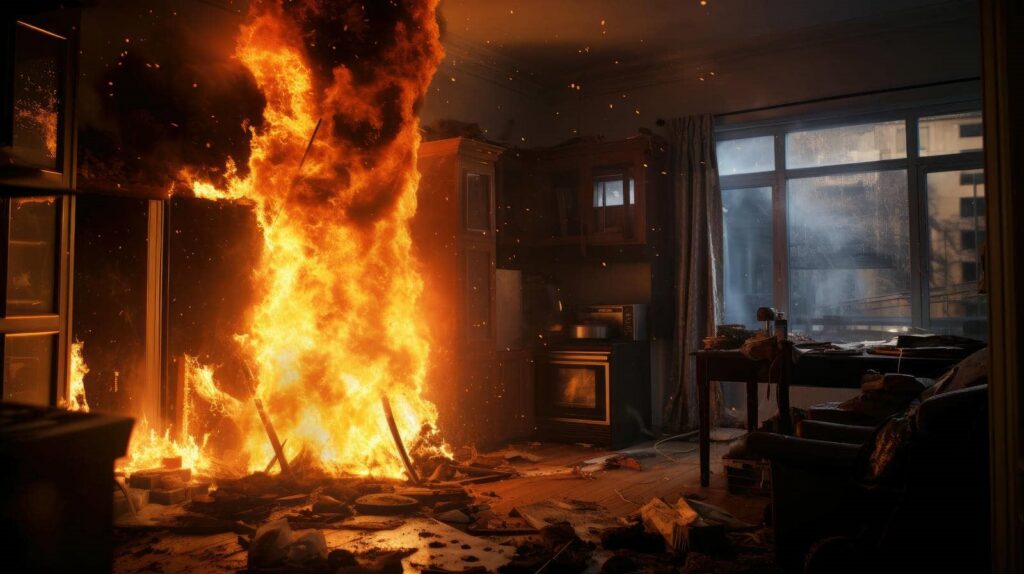
After a fire, you can’t treat the site as just damaged property; you have to assume biohazards are present. You may encounter soot, ash, mold, contaminated water, and residues from burned materials. Before you enter, you need the right PPE and a controlled plan for cleanup and disposal. The first few steps determine whether you contain the hazard or spread it further, and the next decision is critical.
Key Takeaways
- Wear proper PPE, especially respirators, gloves, boots, and full-body protection, before entering fire-damaged areas.
- Treat soot, standing water, and smoke residue as biohazards that may contain mold, bacteria, or bodily fluids.
- Use containment, air filtration, and dry low-pressure cleaning to prevent cross-contamination during restoration.
- Remove contaminated debris, wet drywall, insulation, and carpet padding using sealed, labeled waste procedures.
- Get a certified fire restoration assessment and document damage to guide safe cleanup, repairs, and insurance claims.
Common Biohazards After Fire Damage
After a fire, you may encounter biohazards that require careful handling, including soot-contaminated water, mold growth from firefighting efforts, and exposure to bloodborne pathogens or other bodily fluids if injuries occurred.
You should treat these conditions as hazardous materials until you verify they’re controlled. Fire residues can conceal bacteria, fungi, and sharp debris, especially in damp or collapsed areas.
Check for standing water, musty odors, visible growth, and stained surfaces before you proceed. If you find contaminated contents, isolate them and avoid spreading residue to clean zones.
Document affected areas so your team can work together with clear priorities. When you stay methodical, you reduce cross-contamination and support a safer restoration process for everyone involved.
Wear PPE Before Entering Fire-Damaged Areas
Before you enter any fire-damaged area, you must put on proper PPE, with respiratory protection as your first priority.
Use a respirator that matches the contamination level, since soot, ash, and airborne particles can irritate or damage your lungs.
You should also wear full-body coverage, including gloves, boots, and protective clothing, to reduce skin contact and contamination transfer.
Respiratory Protection Essentials
If you’re entering a fire-damaged area, put on proper respiratory PPE first to reduce exposure to soot, ash, airborne particulates, and hazardous combustion byproducts.
Choose protective equipment that fits snugly, seals well, and matches the contaminant level you expect. Inspect the respirator before entry, confirm clean filters or cartridges, and verify the device hasn’t been compromised.
Keep it on whenever you’re inside, even if the air seems clear, because fine residues can linger invisibly. Protecting your respiratory health helps you work safely alongside your team and stay focused on the job.
Follow site procedures, change damaged components promptly, and stop work if you notice odors, irritation, or breathing difficulty. Your crew depends on consistent habits, and so do you.
Full Body Coverage
Cover your entire body with the required PPE set before you enter any fire-damaged area. You’re part of the crew when you suit up correctly, and full body coverage benefits you by reducing contact with soot, sharp debris, and biohazards.
Choose protective gear options that match the scene, then verify fit and integrity before crossing the threshold. Follow this sequence:
- Wear flame-resistant coveralls.
- Add chemical-resistant gloves.
- Secure boot covers or boots.
- Use eye and face protection.
Check cuffs, seams, and closures for gaps. Replace torn items immediately.
Don’t expose skin, and don’t remove gear until you’ve exited the contaminated zone. This procedure helps you work safely, support your team, and maintain control in hazardous restoration conditions.
Clean Smoke and Soot Safely
You should remove soot with dry, low-pressure methods first, because wet cleaning can drive residue deeper into porous surfaces.
Treat smoke residue as a contaminant, and use only the cleaning agents and procedures recommended for the affected materials.
Keep your protective cleaning gear on, including gloves, eye protection, and a respirator if fine particles remain airborne.
Safe Soot Removal
Begin soot removal only after the structure has cooled and the area is safe to enter. Then identify the type and extent of residue before cleaning. You’ll protect your team by using proven removal techniques that match the surface and limit spread.
Check for soot toxicity, and wear gloves, eye protection, and a fitted respirator when dust may lift.
- Dry-vacuum loose soot with a HEPA unit.
- Wipe stable surfaces with a dry cleaning sponge.
- Clean from top to bottom, using light pressure.
- Bag and seal debris promptly for disposal.
Work in small sections, test first, and stop if residue smears. Keep tools clean, change cloths often, and document each area so everyone stays aligned.
Smoke Residue Hazards
Smoke residue can contain fine particulates, acidic compounds, and toxic contaminants, so treat every affected surface as a potential exposure source until you’ve identified the material and verified safe conditions.
You should assume smoke toxicity varies by fuel type, burn temperature, and ventilation. Check for chemical residues on walls, fixtures, fabrics, and hidden cavities before you begin cleaning.
If residue smears easily, stay cautious and limit disturbance. Dry soot can become airborne fast, and wet residue can spread contamination to adjacent surfaces.
You’ll protect your team when you isolate affected zones, document visible deposits, and follow site-specific disposal rules.
If you notice pungent odors, discoloration, or corrosion, pause and reassess.
When you work methodically, you help everyone on the project stay aligned and safe.
Protective Cleaning Gear
Before you touch smoke-affected surfaces, put on the right protective cleaning gear so you don’t spread residue or expose yourself to contaminants.
Use fitted gloves, eye protection, a respirator, and disposable coveralls to keep soot off your skin and clothing. Your team should follow safety protocols before each entry, checking seals and replacing damaged items immediately.
- Wear nitrile gloves for dry wiping.
- Choose goggles that seal at the brow and sides.
- Use an N95 or higher respirator when dust rises.
- Remove gear carefully, then bag it for disposal.
If you stay disciplined, you protect your workspace and support everyone on the job.
Clean smoke and soot safely by treating every surface as contaminated until you’ve decontaminated and changed gear.
Remove Sewage, Mold, and Firefighting Water
Remove sewage, mold, and firefighting water as soon as the area is safe to enter, because these contaminants can spread damage and create serious health risks.
You should isolate affected rooms, then pump out standing water with equipment rated for contaminated wastewater. Use approved sewage removal techniques to lift solids, then scrub porous surfaces that can’t be saved.
For mold remediation methods, remove wet drywall, insulation, and carpet padding, and keep surfaces dampened to limit airborne spores. Work from clean areas toward the dirtiest zones so you don’t track contamination back into restored spaces.
Wipe remaining hard surfaces with detergent and rinse thoroughly. Check hidden cavities, baseboards, and subfloors for trapped moisture, and dry them quickly with ventilation and dehumidification to support your team’s recovery.
Dispose of Biohazard Waste Safely
Once you’ve collected contaminated debris, you need to dispose of biohazard waste in sealed, labeled containers that meet local disposal rules. You protect your team and your home’s recovery by following strict biohazard disposal steps and documenting each container.
Keep waste management organized so you don’t mix sharp objects, porous materials, or soaked insulation. Use gloves, eye protection, and closed bags while moving debris.
- Double-bag absorbent waste.
- Seal containers before transport.
- Mark hazards clearly.
- Store waste in restricted areas.
You should keep pathways clear, check labels twice, and follow municipal pickup or drop-off procedures. If containers leak, rebag them immediately.
Careful handling helps you stay compliant, reduce exposure, and move forward with confidence as part of a prepared cleanup crew.
Call Fire Damage Restoration Experts
After you’ve secured biohazard waste and cleared the work area, you should call a certified fire damage restoration team to assess the structure, document hidden damage, and start controlled cleanup.
Their expert assessment helps you identify compromised framing, soot migration, and moisture intrusion before repairs begin. You’ll get a clear plan for containment, air filtration, debris removal, and odor control, which keeps your site safer for everyone involved.
Stay nearby, share access points, utility shutoffs, and known hazards, and ask for written findings. A qualified crew can coordinate with insurers and inspectors, reducing delays and limiting secondary fire damage.
Frequently Asked Questions
How Soon Should a Damaged Property Be Inspected After a Fire?
You should inspect damaged property within 24 hours, if it’s safe to enter. A rapid fire inspection timeline supports a thorough post fire assessment, helping you and your team identify hazards, secure the site, and begin recovery.
Can I Stay in My Home During Fire Damage Restoration?
You shouldn’t stay if fire safety hazards remain or smoke inhalation risks persist; you’ll need clearance from restoration professionals first. If they approve limited occupancy, follow their procedures, use barriers, and monitor air quality closely.
What Permits Are Needed for Major Fire Restoration Work?
You’ll usually need building, electrical, plumbing, and demolition permit types—sometimes nearly a mountain of paperwork. Check local restoration regulations first, then coordinate with your contractor and inspector so you don’t trigger delays, fines, or rework.
How Do I Document Fire Damage for Insurance Claims?
You should photograph all damage, list affected items, keep receipts, and note dates, times, and causes. Organize claim documentation before contacting your insurer, follow insurance processes carefully, and save copies of everything for review.
Which Items Can Usually Be Salvaged After Smoke Exposure?
You can usually salvageable items like hard furniture, metal fixtures, glass, and some sealed electronics after smoke damage, if you clean them promptly and assess odors, residue, and corrosion before reuse.
To Sum Up
By following careful biohazard protocols, you help keep your property and everyone in it safer after a fire. You’ll need to treat soot, smoke residue, moisture, and other lingering concerns as sensitive materials, handling them with PPE and controlled cleanup steps. When you dispose of contaminated waste properly and bring in restoration specialists, you reduce the chance of further harm and support a smoother, more complete recovery for your space.
Recent Posts
Top Safety Tips for Sewage Cleanup
You probably don’t realize sewage cleanup can aerosolize pathogens even after the visible water is
Top 3 Sewage Cleanup Safety Tips
Sewage Cleanup should always begin with safety, as sewage-contaminated water can pose serious health risks.
7 Best Practices for Sewage Cleanup Safety
Sewage Cleanup requires a careful, step-by-step approach to protect your health and prevent further contamination.