
Contents
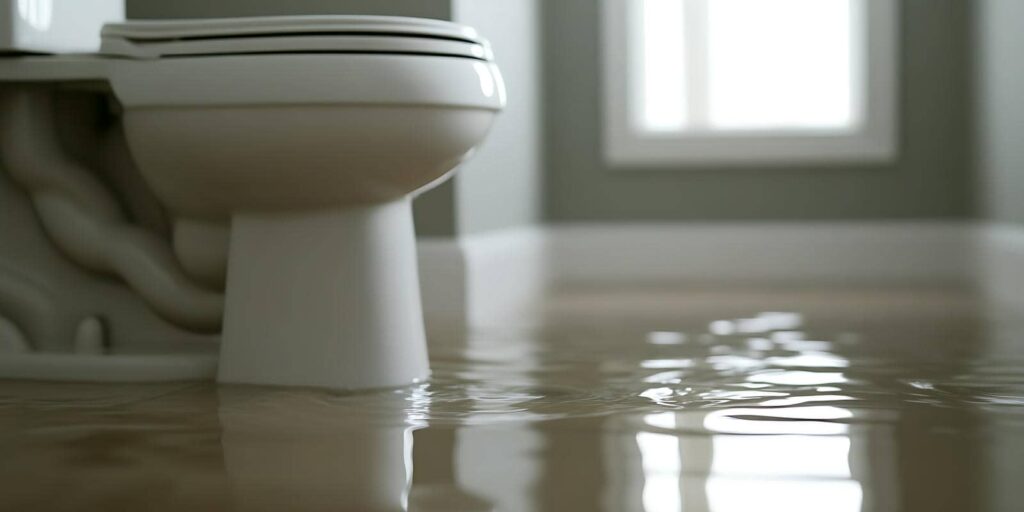
After a sewage backup and mold incident, it’s vital to act quickly and methodically. Your first step is to assess the damage while ensuring your safety. You’ll need to shut off utilities to avoid further hazards and wear protective gear. Documenting the situation accurately is essential for insurance claims. But what comes next? Understanding the steps to take can greatly impact your health and the integrity of your home.
Key Takeaways
- Wear Personal Protective Equipment (PPE) like gloves and masks to ensure safety while handling contaminated materials.
- Document all damages with photos and notes for insurance claims and assessments.
- Contact professional restoration services to address sewage cleanup and potential mold growth.
- Thoroughly dry the affected area using dehumidifiers to prevent further mold development.
- Monitor humidity levels regularly and maintain proper ventilation to deter future mold issues.
Assessing the Damage
When you experience a sewage backup, evaluating the damage quickly is important to prevent further complications. Start by checking the affected areas for visible signs of water and contamination.
Evaluating water quality is essential; any lingering moisture can lead to mold growth and health risks. Use a moisture meter if possible, as this will help you gauge the extent of water penetration in walls and floors.
Next, inspect the structural integrity of your property. Look for warping, discoloration, or soft spots in surfaces. These indicators can signify more serious damage that may compromise your home’s safety.
Document everything meticulously, as this information will be significant for insurance claims or repair evaluations.
Being proactive in this evaluation helps you understand the immediate implications and fosters a sense of belonging with others who’ve faced similar challenges, as you take decisive steps to restore your home.
Ensuring Personal Safety
Before you begin any cleanup efforts following a sewage backup, it’s vital to prioritize your safety. Sewage can pose serious health risks, so taking the right precautions is important.
Here’s a quick checklist to ensure your personal safety:
Wear Personal Protective Equipment (PPE): Use gloves, masks, and waterproof boots to shield yourself from contaminants.
Ventilate the Area: Open windows and doors to reduce the concentration of harmful airborne particles and odors.
Avoid Direct Contact: Stay clear of contaminated materials and surfaces until they’ve been properly cleaned and sanitized.
Have a First Aid Kit Ready: In case of minor injuries, make sure your first aid supplies are accessible and stocked.
Shutting Off Utilities
After ensuring your personal safety, the next step involves shutting off utilities to prevent further damage and reduce health risks.
Begin with the emergency power shutoff, typically found near your main electrical panel. This action stops electricity from flowing, minimizing the risk of electrocution and further damage to appliances.
Next, follow your utility disconnection procedures for gas and water lines. For gas, locate the shutoff valve, usually near the meter, and turn it clockwise to stop flow. For water, turn off the main valve to prevent additional leaks.
Make sure you’re wearing protective gear while doing this, as residual contaminants can pose health risks. If you’re unsure about any procedure, it’s wise to consult professionals.
Taking these steps safeguards your property and fosters a sense of control during an overwhelming situation. You’re part of a community that understands the importance of acting swiftly and thoughtfully.
Documenting the Incident
When dealing with a sewage backup, it’s essential to document the incident thoroughly.
Start by taking photographic evidence of the affected areas and water levels to support any claims or insurance processes.
Additionally, make a detailed list of all areas impacted to ensure nothing is overlooked during cleanup and recovery.
Take Photographic Evidence
How can you effectively document a sewage backup and its aftermath? Taking photographic evidence is vital for insurance claims and future reference.
Here are four essential photographic techniques to ensure evidence preservation:
Wide-Angle Shots: Capture the entire affected area to show the extent of the damage.
Close-Ups: Focus on specific damages, like mold growth or water stains, for detailed evidence.
Before and After: If possible, take photos immediately after the incident and after cleanup to illustrate the changes.
Date and Time Stamps: Use a camera with timestamps to validate when the photos were taken.
Record Water Levels
To effectively document a sewage backup, recording water levels is essential, as it provides a clear indication of the severity of the incident. Start by measuring the water level at its peak using a flood gauge or a measuring tape. This data helps you assess the extent of damage and serves as critical evidence for insurance claims.
Be certain to note the time and date of the incident, as this information is invaluable for any future discussions with professionals or authorities. Take multiple measurements, especially if the water level fluctuates.
Accurate records can facilitate a smoother cleanup process and ensure you’re prepared for any potential mold growth or structural issues that may arise.
List Affected Areas
Identifying and listing the affected areas after a sewage backup is essential for a successful cleanup and restoration process.
By documenting these areas, you ensure that nothing is overlooked. Here’s how to categorize your findings:
Affected Rooms: Identify which rooms have been impacted, such as bathrooms, basements, or kitchens.
Contaminated Belongings: List items that have been damaged, like furniture, electronics, or clothing.
Structural Damage: Note any walls, flooring, or ceilings that show signs of water damage or mold growth.
HVAC Systems: Check if your heating and cooling systems have been exposed to contaminated water.
Contacting Professional Help
When facing a sewage backup, knowing when to contact professional help can be vital for your health and property. If you encounter significant flooding or notice strong odors, it’s important to reach out to emergency services immediately. They can assess the situation and guide you on immediate safety measures.
Once the immediate threat is under control, consider contacting restoration companies that specialize in sewage cleanup. These experts have the right equipment and knowledge to handle contaminated areas safely, ensuring that your home is restored properly.
They’ll also assess potential mold growth, which can pose long-term health risks.
Don’t underestimate the importance of professional help; attempting to manage this situation on your own can lead to further complications. By taking action quickly, you’ll protect your property and contribute to a healthier living environment for you and your loved ones.
Removing Contaminated Materials
After evaluating the damage from a sewage backup, it’s crucial to remove contaminated materials promptly to prevent further health risks and property damage.
Here’s a concise guide to help you with this critical task:
Identify Contaminated Materials: Look for items like carpets, drywall, and insulation that have been affected by sewage.
Wear Protective Gear: Equip yourself with gloves, masks, and goggles to safeguard against harmful pathogens.
Use Proper Disposal Methods: Seal contaminated materials in heavy-duty plastic bags or containers before discarding them to minimize exposure.
Follow Local Regulations: Check your local guidelines for hazardous waste disposal to ensure compliant, safe disposal of these materials.
Cleaning and Disinfecting Surfaces
Once you’ve removed contaminated materials, it’s vital to clean and disinfect all affected surfaces to eliminate lingering pathogens and prevent potential health risks.
Start by gathering appropriate cleaning supplies, including gloves, masks, and sturdy scrub brushes. Use a mixture of warm water and detergent to clean surfaces thoroughly.
After cleaning, apply disinfectant solutions—preferably those EPA-approved for sewage cleanup—to ensure all harmful microbes are eradicated. Pay special attention to high-touch areas like doorknobs, countertops, and fixtures.
Allow the disinfectant to sit for the recommended time to maximize effectiveness.
For porous materials, like carpets or upholstery, consider professional cleaning or replacement, as these can harbor pathogens despite your best efforts.
By taking these steps, you contribute to a safer environment for yourself and your loved ones, fostering a sense of belonging and well-being in your home.
Drying the Area Thoroughly
After cleaning and disinfecting, it’s vital to remove any standing water to prevent further damage and mold growth.
Utilize dehumidifiers effectively to lower humidity levels and expedite the drying process.
This step is essential for ensuring a safe and healthy environment post-cleanup.
Remove Standing Water
Removing standing water is essential in preventing further damage and health hazards following a sewage backup.
To effectively manage water extraction, follow these steps while prioritizing safety precautions:
Shut Off Power: Verify all electrical sources are turned off to avoid electrocution.
Wear Protective Gear: Use gloves, boots, and masks to protect yourself from contaminants.
Use a Pump: If the water is deep, employ a submersible pump for efficient extraction.
Scoop Out Remaining Water: Once the bulk is removed, use buckets or wet/dry vacuums to clear residual water.
Use Dehumidifiers Efficiently
With standing water effectively removed, the next step is to dry the area thoroughly to prevent mold growth and further damage.
Using dehumidifiers is vital for effective moisture control. Set your dehumidifier to the ideal settings—usually between 30-60% humidity—to maximize efficiency.
Place the unit in the most affected areas and ensure proper airflow by keeping doors and windows closed. Monitor the humidity levels regularly to adjust settings as needed.
Run the dehumidifier continuously until the space feels dry to the touch. This process protects your home while promoting a healthier living environment.
Preventing Future Mold Growth
To effectively prevent future mold growth, it’s essential to address moisture issues promptly and maintain a dry environment. Here are some key strategies to implement:
Use Mold-Resistant Materials: When renovating, opt for mold-resistant paints and drywall to reduce mold chances.
Ensure Proper Ventilation: Install exhaust fans in high-humidity areas, like kitchens and bathrooms, to promote air circulation.
Fix Leaks Immediately: Check for plumbing leaks or roof issues and repair them as soon as they’re detected to minimize moisture.
Maintain Indoor Humidity Levels: Aim for indoor humidity between 30-60% by utilizing dehumidifiers and keeping windows closed during humid conditions.
Monitoring for Recurrences
While you may have successfully mitigated mold growth after a sewage backup, it’s crucial to monitor for recurrences to ensure your home remains safe.
Conducting regular inspections of vulnerable areas like basements and crawl spaces helps you catch potential issues early. Look for any signs of moisture, discoloration, or an unusual odor, as these can indicate mold’s return.
Incorporating moisture monitoring devices can also be a game-changer. These tools track humidity levels, enabling you to respond promptly if they rise above normal.
Maintaining proper ventilation and ensuring your home’s drainage systems are functioning correctly will further support your efforts.
Frequently Asked Questions
How Can I Identify Hidden Mold in My Home?
You can identify hidden mold by conducting a thorough mold detection process, focusing on areas with moisture. Use a moisture assessment tool to check for damp spots, and look for musty odors or discoloration in walls.
What Should I Do With Affected Personal Belongings?
Assess your personal items for damage and prioritize salvage procedures. Clean and disinfect belongings that are salvageable, while discarding those that are contaminated beyond repair. Document everything for insurance claims and maintain a detailed inventory.
Will Homeowners Insurance Cover Sewage Backup Damages?
Homeowners’ insurance might cover sewage backup damages, but it depends on your specific policy. Check for sewage coverage and be aware of potential policy exclusions that could limit your claims for related damages.
How Long Does It Take to Dry Out a Flooded Area?
When you’re tackling flood recovery, expect drying techniques to take anywhere from 24 hours to several days, depending on the severity. Using fans and dehumidifiers accelerates the process, ensuring your space dries efficiently.
Can I Use Bleach to Clean Mold?
You shouldn’t use bleach for mold removal; it’s ineffective on porous surfaces and can create harmful fumes. Instead, prioritize safety precautions like wearing protective gear and using EPA-approved mold removers for effective cleanup.
Recap
In the grand theater of home maintenance, a sewage backup isn’t just a minor act—it’s the plot twist no one asked for. By following these steps, you won’t just survive the chaos; you’ll emerge as a mold-fighting hero, cape not included. Remember, a well-documented disaster is the stuff of insurance dreams, and vigilance keeps your domain safe from future invaders. So, let’s banish those moldy villains and keep your castle pristine, one dehumidifier at a time!
Recent Posts
10 Essential Steps for Fire Damage Restoration
Like a house after a storm in a cautionary tale, you start fire damage restoration
What Are Top Techniques for Water Damage Assessment?
You might think water damage is obvious, but you still need a structured assessment to
Why Master Water Damage Inspection Techniques?
Like a detective tracing faint clues, you need water damage inspection skills to catch leaks