
Contents
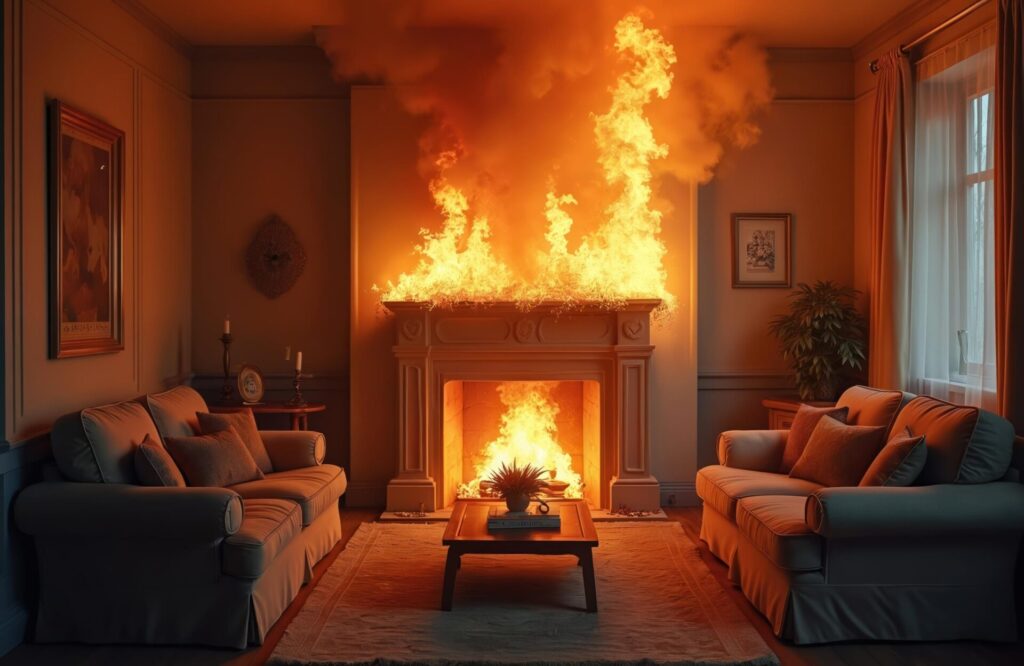
Imagine returning home after a small kitchen fire, only to find your belongings covered in soot and a lingering odor that won’t dissipate. You might feel overwhelmed, but knowing the best strategies for smoke damage cleanup can make a significant difference. By understanding how to assess the damage and clean effectively, you can restore your space and belongings. Let’s explore these essential techniques to tackle smoke damage head-on.
Key Takeaways
- Prioritize sentimental and irreplaceable items first when evaluating smoke damage for effective cleanup planning.
- Use specialized vacuums with HEPA filters to effectively trap fine particles and soot.
- Employ thermal foggers for deep odor neutralization, ensuring proper ventilation during use.
- Clean fabrics with a HEPA-filtered vacuum and specialized detergents for smoke damage.
- Engage professional restoration services for comprehensive cleanup and assistance with insurance claims.
Assessing the Extent of Smoke Damage
When you experience smoke damage, it’s essential to evaluate its extent before beginning cleanup. Start by using smoke detection methods, like visual inspections and odor analysis, to identify affected areas. Look for signs such as discoloration on walls, ceilings, and furniture.
Next, conduct a thorough damage evaluation. This involves checking the materials in your home; porous materials absorb smoke particles, leading to lingering odors and potential health risks.
Document everything you find with photos and notes, as this record assists in discussions with insurance companies. Don’t overlook hidden spots, like HVAC systems, which can harbor smoke particles and spread damage further.
Safety Precautions Before Cleanup
Before diving into the cleanup process, it’s crucial to prioritize your safety. Start by gathering the right protective gear to shield yourself from harmful particles. Wear gloves, masks, and goggles to prevent exposure to smoke residue. Additionally, make certain proper ventilation methods are in place to minimize inhalation risks.
Here’s a quick checklist to help you prepare:
| Safety Measures | Importance |
|---|---|
| Wear protective gear | Shields against harmful residues |
| Use masks | Prevents inhalation of toxic fumes |
| Make certain ventilation | Reduces smoke concentration indoors |
| Turn off HVAC systems | Prevents the spreading of smoke through ducts |
Effective Cleaning Techniques for Surfaces
When tackling smoke damage, it’s essential to take into account the specific materials of the surfaces you’re cleaning, as different materials require unique approaches.
Selecting the right cleaning solutions can greatly affect the effectiveness of your efforts, so pay careful attention to product labels and recommendations.
Finally, employing time-saving techniques, such as using the right tools and methods for each surface type, will enhance your efficiency and ensure a thorough cleanup.
Surface Material Considerations
As smoke damage can permeate various surfaces, understanding the material composition of these surfaces is essential for effective cleanup.
Different surface types, like wood, drywall, and metal, react uniquely to smoke residues. For instance, porous materials like fabric and carpets can absorb odors and soot, requiring more intensive cleanup methods. In contrast, hard surfaces such as tile and glass often allow for easier cleaning.
You’ll want to assess the material resilience; softer, more delicate surfaces may require gentler cleaning techniques to avoid further damage. Always test a small area before proceeding.
Cleaning Solutions Selection
How do you choose the right cleaning solution for effectively tackling smoke damage? Start by evaluating the cleaning product types available.
For porous surfaces like drywall or wood, opt for a solution specifically designed to penetrate and neutralize smoke particles. On non-porous surfaces, such as glass or metal, a stronger chemical cleaner may enhance solution effectiveness.
Consider eco-friendly options that still pack a punch; they’re safer for you and the environment. Always check labels for compatibility with your surfaces.
Test a small area first to ensure you won’t cause any damage. Remember, the right choice cleans and helps prevent further odors and stains.
With the right cleaning solutions, you’ll reclaim your space with confidence.
Time-Saving Techniques
While tackling smoke damage, employing efficient cleaning techniques can significantly reduce the time spent on restoration.
Start with quick assessments of affected surfaces, identifying areas with heavy residue. For walls, use a sponge and a mixture of water and vinegar to lift smoke particles effectively. On non-porous surfaces, a commercial degreaser can expedite the process.
Prioritize time management by working in sections; this prevents overwhelming yourself and allows for thorough cleaning. For fabrics, consider using a specialized smoke odor eliminator, applying it with a spray bottle for even coverage.
Finally, keep your tools organized to streamline your efforts. By mastering these techniques, you’ll harness the power of efficiency, fostering a sense of accomplishment in your cleanup journey.
Specialized Equipment for Smoke Removal
When you’re tackling smoke damage cleanup, specialized equipment plays an essential role in effectively removing soot and odors.
Using specialized vacuums is vital; they’re designed to trap fine particles that standard vacuums might miss. Look for models with HEPA filters, as these can capture even the smallest soot particles, ensuring a thorough clean.
In addition to vacuums, thermal foggers are invaluable for smoke removal. These devices generate a fog that penetrates materials and surfaces, neutralizing odors at their source.
When you use a thermal fogger, make sure to follow safety guidelines and ventilate the space properly.
Deodorizing and Air Purification Methods
To effectively neutralize smoke odors, you’ll want to utilize natural deodorizing agents like baking soda and vinegar, which can absorb and eliminate unpleasant smells.
Selecting the right air purifier is essential, as models with HEPA filters can capture fine particles and improve air quality greatly.
Additionally, employing odor-neutralizing techniques, such as using activated charcoal, will further enhance the freshness of your environment.
Natural Deodorizing Agents
Natural deodorizing agents provide effective solutions for eliminating smoke odors without the use of harsh chemicals. One of the most versatile options is baking soda.
Sprinkle it liberally on carpets, upholstery, and other surfaces to absorb lingering smells; leave it for a few hours, then vacuum it up. For a more immediate impact, consider natural sprays made from essential oils like lavender or lemon.
Mix a few drops with water in a spray bottle, and lightly mist your space. These sprays neutralize odors and add a pleasant scent.
Air Purifier Selection
While natural deodorizing agents can effectively tackle smoke odors, investing in the right air purifier is another impactful step in restoring air quality.
Start by exploring various air purifier types, focusing on those equipped with HEPA filters, which capture small particles, and activated carbon filters, ideal for absorbing smoke odors.
Consider the size of your space; a purifier with the appropriate coverage area ensures maximum effectiveness.
Look for models with a high Clean Air Delivery Rate (CADR) to assure efficient smoke removal.
Additionally, check for noise levels and maintenance requirements, as a quieter unit with low upkeep will seamlessly fit into your lifestyle.
Odor Neutralizing Techniques
When dealing with smoke odors, employing a combination of deodorizing techniques and air purification methods can lead to more effective results.
First, consider using odor elimination methods like activated charcoal or baking soda to absorb lingering smells. Place bowls of these substances in affected areas and let them work their magic.
Next, explore scent masking techniques, such as essential oil diffusers or scented candles, to create a more pleasant atmosphere. However, remember that masking doesn’t eliminate odors entirely.
For long-term relief, invest in a high-quality air purifier with HEPA filters to capture smoke particles. This method works synergistically with deodorizing efforts, ensuring your space feels fresh and inviting.
Together, these approaches will help you reclaim your home from smoke damage.
Restoring Belongings Affected by Smoke
Smoke can permeate your belongings, leaving behind a stubborn residue and unpleasant odors that require immediate attention. Start by evaluating your items; prioritize sentimental items, as they often hold irreplaceable value.
For fabrics, use a vacuum with a HEPA filter to remove soot, followed by a thorough wash with a specialized detergent. If the smell persists, consider soaking them in a mixture of water and vinegar before rinsing.
For hard surfaces, gently wipe away soot with a damp cloth and a mild cleaning solution, ensuring you don’t spread the residue. Wooden furniture may need a specialized cleaner; test it on a hidden area first.
For electronics, consult a professional before attempting any cleaning.
Finally, store items in a smoke-free environment to prevent further damage. Following these restoration tips can help you reclaim your cherished belongings and restore their original beauty.
Professional Services for Comprehensive Restoration
After addressing the immediate restoration of your belongings, it’s time to contemplate how professional services can enhance the cleanup process. Engaging experts in smoke damage restoration and ensuring thorough cleaning provides a detailed assessment of the situation.
They possess the tools and knowledge necessary to tackle the complexities of smoke residue and odor.
Consider these critical aspects of professional restoration:
Advanced Techniques: Professionals utilize specialized equipment that penetrates deeply into materials, ensuring the complete removal of soot and odors.
Safety Protocols: Trained technicians follow strict safety guidelines, protecting you and your property from potential hazards.
Insurance Navigation: Experts can assist in managing insurance claims, helping you recover costs effectively.
Recap
Addressing smoke damage requires a methodical approach. Assess the extent of the damage, prioritize safety, and implement effective cleaning techniques. Utilize specialized equipment and explore deodorizing methods to restore your space. Don’t forget to care for your belongings and consider professional services for a thorough restoration. By following these strategies, you’ll reclaim your environment and ensure a healthier living space, giving you peace of mind as you move forward.
Recent Posts
Essential Guide to Flood Damage Restoration Practices
Flood Damage Restoration begins with a fast, organized response to minimize structural damage and protect
Top 10 Flood Damage Restoration Best Practices
Damage Restoration starts with a fast, organized response to minimize property damage and prevent long-term
7 Essential Tips for Flood Damage Restoration
Flood Damage Restoration should begin as soon as it is safe to enter the property,