
Contents
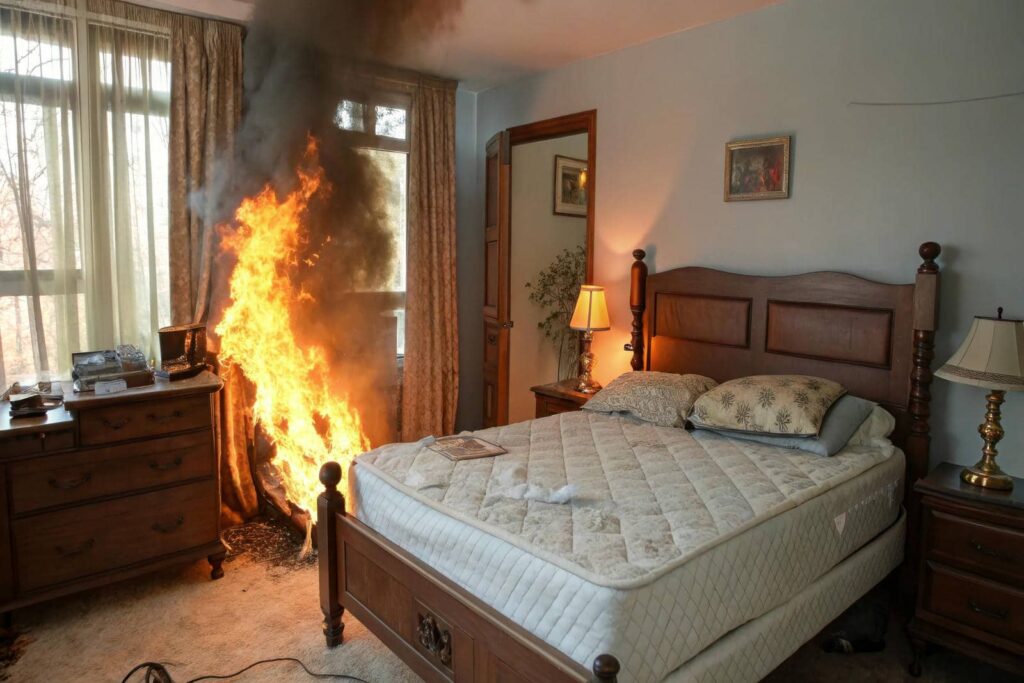
When faced with fire damage, your immediate response can greatly impact the restoration process. It’s vital you prioritize safety by evaluating the situation from a safe distance before re-entering. After ensuring safety, knowing the right steps to take can streamline the recovery and minimize further damage. From contacting professionals to documenting everything for insurance, these tips will guide you through the necessary actions you need to take. Let’s explore these important steps in detail.
Key Takeaways
- Assess the damage from a safe distance and ensure the area is secure before re-entering the property.
- Document all fire damage with photos for insurance claims and keep detailed records of expenses.
- Reach out to professional fire damage restoration experts for a thorough damage evaluation and repair plan.
- Remove charred debris and use specialized cleaning products to address smoke damage effectively.
- Implement fire prevention measures, such as installing smoke detectors and maintaining a clutter-free environment around heat sources.
Ensure Safety First
When dealing with fire damage, ensuring your safety must be your top priority. Start by evaluating the situation from a safe distance. Smoke inhalation poses serious health risks, so don’t re-enter the building until it’s confirmed safe.
Familiarize yourself with fire safety protocols, including knowing the nearest exits and having a fire extinguisher accessible.
In terms of emergency preparedness, create a plan with your family that includes designated meeting spots and communication methods. Regularly practice fire drills to reinforce these protocols, ensuring everyone knows how to respond effectively in a crisis.
Stay informed about local fire regulations and consider participating in community fire safety programs. These resources can help you understand the importance of prevention and preparedness.
Contact Professionals Immediately
After ensuring everyone’s safety, it’s essential to assess the damage severity.
You should contact local fire damage restoration experts who can provide a thorough evaluation and initiate repairs.
Their expertise will help prevent further complications and ensure your property is restored effectively.
Assess Damage Severity
Fire damage can vary considerably, making it essential to evaluate its severity promptly. Start by employing effective damage assessment techniques, such as visual inspections and thermal imaging, to identify affected areas.
Look for severity indicators like smoke staining, charring, or structural compromise. These signs can help you gauge the extent of the damage and determine the necessary steps for restoration.
Don’t forget to take into account hidden damage, as it can lead to long-term issues if left unaddressed. Document your findings with photographs and detailed notes, which will assist professionals when they arrive.
Find Local Experts
How quickly can you connect with local fire damage experts? Timing is essential in fire damage repair, so don’t hesitate. Reach out to professionals who specialize in fire recovery to minimize further risks and restore your property.
Search for local services: Look for companies with a strong presence in your community; they’ll understand local regulations and conditions.
Read expert reviews: Check online platforms for feedback on their responsiveness and quality of work, ensuring you choose a trusted partner.
Request immediate assessments: A quick evaluation by experts can prevent additional damage and expedite repairs, giving you peace of mind.
Connecting with the right team fosters a sense of belonging and reassurance during this challenging time.
Assess the Damage Thoroughly
While evaluating the damage is vital, it’s important to approach it methodically to ensure nothing is overlooked. A thorough damage assessment helps you identify visible destruction and reveals potential threats to the structural integrity of your property. Start by inspecting both the interior and exterior, noting areas affected by fire, smoke, and water.
| Area of Assessment | Key Considerations |
|---|---|
| Walls | Look for charring, cracks, or water damage. |
| Roof | Check for missing shingles and structural sagging. |
| Electrical Systems | Inspect for melted wires or damaged outlets. |
| Foundation | Examine for cracks and signs of settling. |
Engaging professionals during this process helps you address all aspects of damage properly. Remember, a thorough assessment is essential for effective repairs and future safety.
Document Everything for Insurance
To ensure a smooth insurance claim process, you must document every aspect of the fire damage.
Take detailed photos of affected areas and items, capturing the extent of the destruction.
Additionally, keep thorough records of all expenses related to repairs and recovery, as these will be essential for your claim.
Take Detailed Photos
Taking detailed photos of the fire damage is essential for accurately documenting your losses for insurance claims. This photo documentation serves as vital evidence, helping to ensure you receive fair compensation. Remember, the more thorough your documentation, the better.
Capture the overall fire scene, providing context to the damage.
Focus on specific areas of loss, highlighting structural and personal property damage.
Include close-ups of affected items, like furniture or appliances, to emphasize their condition.
These images support your claim and convey the emotional weight of your experience.
Keep Expense Records
Keeping accurate expense records is essential after fire damage, as it ensures you have the necessary documentation for your insurance claim.
Start by implementing effective expense tracking methods—use spreadsheets or software dedicated to financial organization. Document every cost, from emergency repairs to temporary housing and personal items lost.
Keep receipts and invoices organized and categorized by type of expense. Regularly update your records to confirm nothing is overlooked.
This meticulous approach aids your claim and provides you with a clearer picture of your financial situation during a stressful time. Being thorough in your documentation fosters a sense of control and community among those who understand the challenges of recovering from fire damage.
Begin Smoke and Soot Cleanup
As soon as the fire is extinguished and it’s safe to enter your property, starting the smoke and soot cleanup is essential to prevent further damage.
Smoke and soot can linger, causing health hazards and diminishing your home’s value. Use effective smoke removal techniques and soot cleaning products to restore your space.
Here are three vital steps to follow:
Ventilate the Area: Open windows and doors to let fresh air in and help dissipate the smoke odor.
Assess and Document Damage: Take photos of affected areas to keep records for insurance claims.
Utilize Professional Products: Invest in specialized soot cleaning products that effectively break down residues without damaging surfaces.
Taking swift action can make a significant difference in your recovery.
Address Water Damage Promptly
Once the immediate fire hazards are addressed, it’s essential to tackle any water damage caused by firefighting efforts. Prompt water extraction is vital to minimize further damage and prevent mold growth. The longer water remains, the higher the risk of structural issues and health hazards.
Here’s a quick guide to help you navigate the water damage process:
| Step | Action Required | Purpose |
|---|---|---|
| Initial Assessment | Evaluate affected areas | Identify severity of water damage |
| Water Extraction | Use pumps and dehumidifiers | Remove standing water and moisture |
| Mold Prevention | Apply antimicrobial treatments | Prevent mold growth and contamination |
Prevent Future Fire Hazards
To effectively prevent future fire hazards, it’s crucial to assess and address potential risks within your property.
Implementing strong fire prevention strategies and safety measures can markedly reduce the likelihood of devastating incidents.
Here are three key steps you can take:
Inspect Electrical Systems: Regularly check wiring, outlets, and appliances for damage or wear. Faulty electrical systems are a leading cause of fires.
Maintain Your Space: Keep flammable materials—like paper, cloth, and chemicals—away from heat sources. A clutter-free environment minimizes risk.
Install Smoke Detectors: Confirm every level of your home has functional smoke detectors. Test them monthly and change batteries annually to stay prepared.
Recap
In the aftermath of a fire, the contrast between chaos and recovery can be stark. By prioritizing safety and enlisting professionals, you set the stage for effective restoration. Documenting damage meticulously versus overlooking details can mean the difference in insurance claims. Swiftly addressing smoke and water damage juxtaposes the potential for lingering hazards. Ultimately, your commitment to prevention and preparedness safeguards your property and fosters resilience, ensuring a safer environment for you and your loved ones.
Recent Posts
Why Use Effective Water Damage Assessment Methods?
You may see only a damp stain, yet you could be facing hidden structural decay.
5 Best Ways to Prevent Smoke and Soot Damage
Many homeowners underestimate the importance of prevention when it comes to smoke and soot damage.
What Are Homeowner Tips for Emergency Sewage Removal?
A clogged drain can be likened to a ticking time bomb, waiting to disrupt your