
Contents
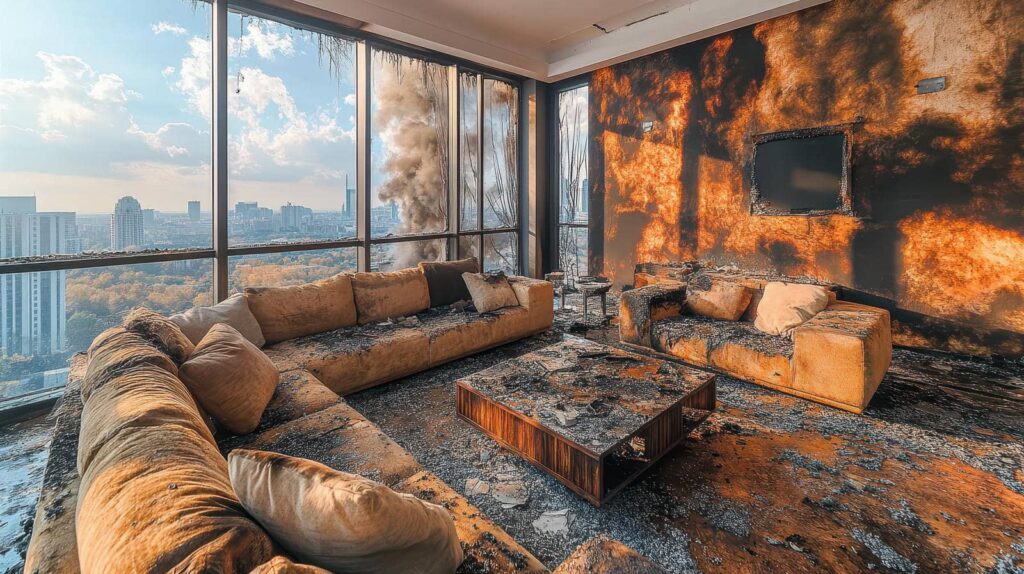
Many people underestimate the complexity of smoke and soot removal, often leading to deeper damage if not handled correctly. It’s essential to assess the extent of the damage before starting any cleaning process. By following specific techniques, you can efficiently restore your space while ensuring safety. Understanding the right methods can save you time and frustration—let’s explore these effective strategies to tackle the aftermath of smoke and soot.
Key Takeaways
- Start with thorough vacuuming to eliminate loose soot particles before applying cleaning solutions.
- Use a mixture of water and dish soap to gently clean soot stains on surfaces.
- Apply a vinegar solution for effective soot removal, allowing it to dwell before scrubbing.
- Create a baking soda paste for stubborn soot stains, ensuring to test on inconspicuous areas first.
- Consider hiring professional services for severe smoke damage, utilizing advanced tools and eco-friendly cleaners.
Assessing the Damage
Before you can effectively tackle smoke and soot removal, you need to thoroughly assess the damage. Start by inspecting all affected surfaces, including walls, ceilings, and furniture. Note the extent of discoloration and residue, as this will inform your cleanup strategy.
Evaluate the smoke impact on porous materials like carpets and upholstery, which can absorb odors and residues more deeply. Document your findings meticulously; a detailed damage assessment will guide your choice of cleaning methods and products.
Pay attention to hidden areas, such as vents and ducts, where soot may accumulate unnoticed. Utilize tools like moisture meters to check for any lingering moisture, which can exacerbate smoke odors if not addressed.
Safety Precautions Before Cleanup
Before you begin cleanup, make certain you wear appropriate personal protective equipment (PPE), including masks, goggles, and gloves, to shield yourself from harmful particles.
It’s also essential to establish proper ventilation and airflow in the area to minimize inhalation risks.
Taking these precautions will greatly enhance your safety as you tackle the removal of smoke and soot.
Personal Protective Equipment
As you prepare for smoke and soot cleanup, ensuring your safety with appropriate personal protective equipment (PPE) is essential.
Start by wearing protective clothing; this includes long-sleeve shirts, pants, and gloves that shield your skin from harmful particles. Opt for materials that are durable and resistant to wear.
Next, prioritize respiratory protection by using a high-efficiency particulate air (HEPA) respirator to filter out harmful soot and toxic fumes. Make sure it fits snugly to prevent any leakage.
Additionally, consider using safety goggles to protect your eyes from irritants.
Ventilation and Airflow
Having equipped yourself with the necessary personal protective equipment, it’s time to address the importance of ventilation and airflow during smoke and soot cleanup.
Proper ventilation is essential for maintaining air quality and minimizing smoke odor in your space.
Here’s how to effectively enhance airflow:
- Open windows and doors to create cross-ventilation.
- Use exhaust fans to expel contaminated air.
- Set up air purifiers equipped with HEPA filters for additional cleaning.
Ventilation Techniques
Effective ventilation techniques are essential for removing smoke and soot from indoor environments. Start by maximizing natural ventilation; open windows and doors to create cross-breezes that facilitate air circulation. This helps to draw in fresh air while pushing out contaminated air.
If weather conditions aren’t favorable, consider using exhaust fans strategically placed in areas with the highest concentration of smoke or soot.
Employing box fans can further enhance air circulation, directing airflow towards windows to expedite the removal process. If you’re using air purifiers, verify they’re equipped with HEPA filters to capture small particles effectively.
Monitor humidity levels as well; high humidity can hinder the ventilation process. Aim for a balance between fresh air intake and the removal of pollutants.
Using Chemical Cleaners
When tackling smoke and soot removal, using chemical cleaners can be effective, but you need to choose the right type for your surfaces.
Always prioritize safety precautions during application, as these substances can pose health risks.
In the following sections, we’ll explore various chemical cleaners, necessary safety measures, and proper application techniques to ensure effective results.
Types of Chemical Cleaners
Chemical cleaners play an essential role in smoke and soot removal, offering targeted solutions for various surfaces and materials.
Understanding the different types of chemical cleaners helps you choose the right one for your needs. Here are some common options:
Biodegradable Cleaners: Environmentally friendly options that break down naturally and are safe for most surfaces.
Industrial Solvents: Powerful agents designed for heavy-duty cleaning, particularly effective on stubborn soot and smoke residues.
Surfactants: These cleaners reduce surface tension, allowing for better penetration and removal of soot from porous materials.
Safety Precautions Required
Although using chemical cleaners can markedly enhance smoke and soot removal, it’s essential to prioritize safety to prevent health risks and damage to surfaces.
Start by ensuring proper ventilation in the area. Open windows and use fans to circulate air. Always wear personal protective equipment, including gloves, masks, and goggles, to shield yourself from harmful fumes and particulates.
Familiarize yourself with the Material Safety Data Sheets (MSDS) for each cleaner, as they provide vital information regarding fire safety and potential hazards.
Avoid mixing different chemicals, as this can lead to dangerous reactions.
Finally, dispose of any used cleaners according to local regulations to minimize environmental impact.
Application Techniques Explained
With safety precautions firmly in place, you can effectively tackle smoke and soot removal using chemical cleaners.
Start with thorough surface preparation—clear the area of debris and dust. Choose the right application methods based on the surface type. For porous materials, spray the cleaner and let it dwell before scrubbing. On non-porous surfaces, apply the cleaner with a cloth or sponge, ensuring even coverage.
- Always test the cleaner on a small, inconspicuous area.
- Use appropriate personal protective equipment (PPE) throughout the process.
- Rinse surfaces with clean water after treatment to prevent residues.
Following these steps will enhance the efficiency of smoke and soot removal, leaving your space clean and safe.
DIY Cleaning Solutions
When tackling smoke and soot removal, DIY cleaning solutions can be both effective and economical. One reliable method is using a DIY vinegar solution. Combine equal parts white vinegar and water in a spray bottle, then apply it to affected surfaces. The acidity of the vinegar breaks down soot residues, making them easier to wipe away.
Another option is a baking soda paste. Mix baking soda with a small amount of water until it forms a thick paste. Apply this directly to stubborn soot stains, allowing it to sit for about 15 minutes. Then, scrub gently with a soft cloth or sponge. Rinse the area with clean water to remove any residue.
These solutions help you restore your space and foster a sense of community as you share tips and techniques with others facing similar challenges.
Professional Cleaning Services
If you find that DIY methods aren’t yielding the desired results, hiring a professional cleaning service can be a worthwhile investment. These experts use advanced cleaning methods and specialized equipment to effectively tackle smoke and soot damage, ensuring a thorough restoration of your space.
Consider the following benefits of professional services:
Expertise: Trained technicians understand the intricacies of different materials and surfaces.
Efficiency: Professionals can complete the job in a fraction of the time it would take you.
Long-term solutions: They often provide preventive measures to minimize future damage.
While service costs may vary based on the extent of the damage and the specific cleaning methods used, the investment often pays off in peace of mind and improved air quality.
Cleaning Upholstery and Fabrics
When cleaning upholstery and fabrics affected by smoke and soot, you first need to assess the extent of the damage.
Understanding the fabric type is essential for selecting the appropriate cleaning technique, whether it involves dry cleaning, steam cleaning, or chemical treatments.
If the damage is severe or if you’re unsure, considering professional services can ensure a thorough and safe restoration process.
Assessing Fabric Damage
Evaluating fabric damage after exposure to smoke and soot is essential for determining the appropriate cleaning methods.
Start by examining various fabric types, as each reacts differently to contaminants.
Conduct a thorough damage assessment using the following criteria:
Visual Inspection: Look for discoloration, stains, or burn marks.
Texture Test: Gently rub the fabric to check for stiffness or brittleness, which indicates structural damage.
Odor Evaluation: Smell the fabric for lingering smoke odors that may not be visible.
Cleaning Techniques Overview
After evaluating fabric damage, selecting the right cleaning technique for upholstery and fabrics becomes essential to restore their original condition.
Start with a thorough vacuuming to remove loose soot particles. For soot discoloration, a natural cleaning solution of water mixed with a few drops of dish soap can be effective.
Apply this solution gently with a soft cloth, working from the outside in to avoid spreading the soot. Avoid excessive moisture, as it can damage the fabric. Rinse the area with a damp cloth and blot dry immediately.
For stubborn stains, consider using a specialized upholstery cleaner that’s safe for your fabric type. Always test any cleaning method on an inconspicuous area first to verify it won’t cause further damage.
Professional Services Consideration
While many homeowners may attempt to clean upholstery and fabrics themselves, hiring professional services can often yield superior results, especially for severe smoke and soot damage.
Professionals use specialized techniques that effectively restore your items without causing further harm.
Consider these service options when exploring professional help:
- Deep Cleaning Solutions: Advanced tools and eco-friendly chemicals for thorough cleaning.
- Fabric Protection Treatments: Post-cleaning treatments to prevent future stains and damage.
- Custom Quotes: Tailored estimates based on the extent of damage and fabric type, ensuring transparency in cost considerations.
Investing in professional services saves you time and enhances the longevity of your upholstery, providing peace of mind that your home will feel fresh and welcoming once again.
Restoring Walls and Ceilings
When smoke and soot settle on walls and ceilings, they mar the surfaces and pose potential health risks if left untreated.
To restore these areas effectively, start by evaluating the wall textures and ceiling finishes. For flat or smooth surfaces, a mixture of warm water and mild detergent can be used. Wipe the surfaces gently with a sponge, making sure you don’t damage the texture.
For porous materials or textured finishes, consider using a specialized cleaner designed for smoke damage. You may need to repeat the process several times to fully eliminate the residue.
After cleaning, inspect for any stains that might require sealing or repainting. Use a primer designed for stain-blocking before applying a fresh coat of paint. This ensures a uniform appearance and helps prevent future issues.
Always wear protective gear to safeguard your health while working on these restoration tasks.
Air Filtration Systems
Air filtration systems play an important role in maintaining indoor air quality, especially in spaces affected by smoke and soot. These systems are designed to capture and remove harmful particles, ensuring you breathe cleaner air.
To maximize filtration efficiency, consider the following components:
- HEPA Filters: Highly effective in trapping fine particles, including soot.
- Activated Carbon Filters: Absorb odors and volatile organic compounds (VOCs) released by smoke.
- Air Purifiers: Portable options that can enhance air quality in specific rooms.
Investing in a quality air filtration system can greatly improve your living environment. It reduces the risk of respiratory issues and creates a more comfortable space for you and your family.
Regular maintenance, such as changing filters, is essential to sustain peak performance and ensure that the air quality remains pristine.
Prioritize air filtration to foster a healthier home atmosphere.
Preventive Measures for Future Incidents
To prevent future incidents of smoke and soot infiltration, you must implement a series of proactive measures designed to safeguard your indoor environment.
Start by confirming you have reliable smoke alarms installed throughout your home; these devices can detect smoke early, providing crucial time to respond. Regularly check and replace batteries to maintain functionality.
Next, focus on fire prevention techniques. Keep flammable materials away from heating sources and maintain a clean, clutter-free space.
If you use candles or fireplaces, make sure they’re properly contained and monitored.
Consider investing in a fire extinguisher and familiarize yourself with its use.
Additionally, develop a fire escape plan and practice it with your family, so everyone knows what to do in case of an emergency.
Frequently Asked Questions
Can Smoke Damage Be Completely Removed From a Home?
Yes, smoke damage can be effectively addressed through smoke restoration and home remediation. By employing specialized techniques and thorough cleaning processes, you can substantially reduce odors and stains, restoring your home’s environment to a healthier state.
How Long Does Smoke Odor Linger After Cleanup?
Smoke odor can linger for weeks or even months, depending on odor persistence and the cleaning methods used. Thorough cleaning and proper ventilation help, but persistent odors may require additional treatments to achieve complete removal.
Are There Specific Tools Needed for Smoke Removal?
For smoke removal, you’ll need smoke scrubbers and ozone generators. These tools effectively eliminate odors and contaminants, ensuring a thorough cleanup. Using them methodically helps restore your space, making it feel fresh and welcoming again.
Will Insurance Cover Smoke Damage Cleanup Costs?
Yes, insurance policies often cover smoke damage cleanup costs, but it depends on coverage limits. Review your policy details carefully and consult your agent to understand the specific terms related to smoke damage recovery.
What Are the Health Risks Associated With Smoke Exposure?
Smoke exposure can cause serious health effects, particularly with long-term exposure. You might experience respiratory issues, cardiovascular problems, or even neurological damage. Staying informed and minimizing exposure is essential for your health and well-being.
Review
By implementing these smoke and soot removal techniques, you can effectively restore your space to its former condition. Picture the sunlight streaming through freshly cleaned windows, illuminating walls free from grime.
Recent Posts
Essential Guide to Flood Damage Restoration Practices
Flood Damage Restoration begins with a fast, organized response to minimize structural damage and protect
Top 10 Flood Damage Restoration Best Practices
Damage Restoration starts with a fast, organized response to minimize property damage and prevent long-term
7 Essential Tips for Flood Damage Restoration
Flood Damage Restoration should begin as soon as it is safe to enter the property,